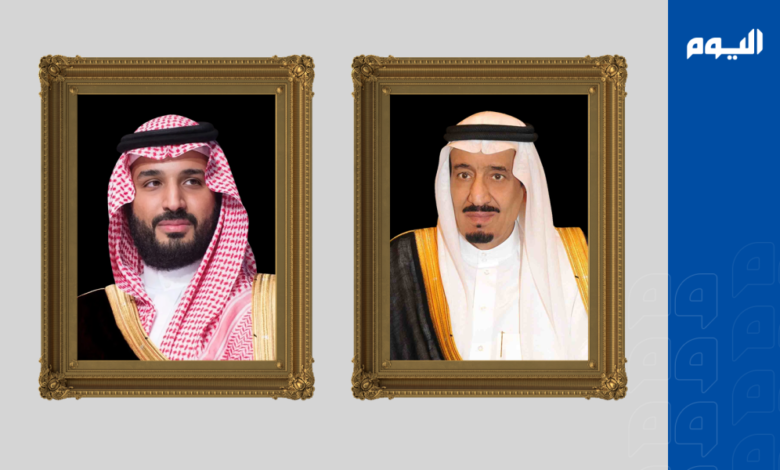
The leadership offers condolences to the King of Thailand for the victims of the train accident – details of the telegrams

The Custodian of the Two Holy Mosques, King Salman bin Abdulaziz Al Saud, sent a cable of condolences and sympathy to His Majesty King Maha Vajiralongkorn, King of the Kingdom of Thailand, following the tragic accident in which a crane fell on a train in the northeast of the country, resulting in deaths and injuries.
The text of the King’s telegram reads: “We have learned of the news of the crane accident on a train in the northeast of the Kingdom of Thailand, and the resulting deaths and injuries. As we share Your Majesty’s pain over this tragedy, we send to you, the families of the deceased, and your friendly people our deepest condolences and sincere sympathy, wishing the injured a speedy recovery and that you may not experience any harm.”.
In the same vein, His Royal Highness Prince Mohammed bin Salman bin Abdulaziz Al Saud, Crown Prince and Prime Minister, sent a similar cable of condolences to His Majesty the King of Thailand. In his cable, His Royal Highness said: "I have learned of the crane collapse accident on a train in northeastern Thailand, and the resulting deaths and injuries. I extend to Your Majesty, the families of the deceased, and the friendly people of Thailand my deepest condolences and sincere sympathy, wishing the injured a speedy recovery and praying that you will be spared any further harm.".
Signs of solidarity and the depth of Saudi-Thai relations
This humanitarian gesture from the Saudi leadership reflects the deepening ties between the Kingdom of Saudi Arabia and the Kingdom of Thailand, particularly in light of the new era of diplomatic relations between the two countries. Following the restoration of full diplomatic relations between Riyadh and Bangkok in 2022, communication channels between the two leaderships have witnessed a marked increase in activity, reflecting a shared desire to strengthen cooperation and friendship.
The Custodian of the Two Holy Mosques and His Royal Highness the Crown Prince's expression of condolences to the Thai leadership in this tragedy reflects the deeply rooted humanitarian values of Saudi foreign policy, which is based on the principle of solidarity with friendly nations during times of crisis and disaster. This solidarity extends beyond political considerations to encompass humanitarian and social dimensions, further solidifying the Kingdom's position as a pivotal nation that consistently strives to promote peace and compassion among the peoples of the world.
The importance of humanitarian diplomacy
These messages of condolence are part of the Kingdom's high diplomatic protocol, conveying significant moral support to the families of the victims and the Thai people. In such incidents that affect transportation safety and infrastructure and result in civilian casualties, international support plays a vital role in alleviating grief.
Observers point out that the continued direct communication between the leaderships of the two countries in good times and bad confirms that Saudi-Thai relations have gone beyond the stage of diplomatic normalization to reach the stage of strong partnership and friendship, where the two sides exchange support in various forums and positions, thus confirming the importance of joint Asian cooperation.