
In a strategic move reflecting the Kingdom of Saudi Arabia's commitment to environmental protection and sustainability, the National Afforestation Program has identified and distributed more than 165 native plant species suitable for afforestation in the Asir region. This announcement is a cornerstone of national efforts to develop vegetation cover and combat desertification, directly aligning with the objectives of the "Saudi Green Initiative" and the Kingdom's Vision 2030, which prioritizes environmental protection.
Unique environmental and geographical diversity in Asir
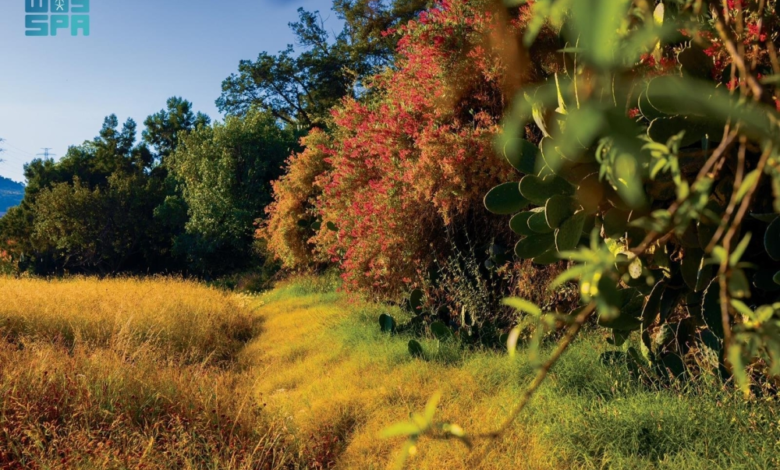
The Asir region holds special significance on the Kingdom's vegetation map due to its exceptional geographical and climatic characteristics. Its diverse topography ranges from the towering peaks of the Sarawat Mountains and rugged slopes to deep valleys and the coastal plains of Tihama and the Red Sea. This environmental diversity, coupled with the highest rainfall rates in the Kingdom, has made Asir a fertile ground for biodiversity. The program explained that specific plant species are intelligently distributed across these varied environments, enhancing the chances of success for afforestation projects due to their suitability to local climatic conditions and their ability to adapt.
The most prominent targeted plant species and varieties
The report issued by the program indicated that the native plants of Asir belong to a wide range of plant families, most notably the legume family (Fabaceae), the pistachio family (Pistacia terebinthus), the cypress family (Pistacia cypressae), the olive family (Olive family), the myrtle family (Myrtaceae), the mallow family (Malvaceae), and others. The plant life forms vary, ranging from large, perennial trees and shrubs to succulents, annual herbs, and bulbs. Among the most important species highlighted, which constitute the region's botanical identity, are juniper, acacia tortilis (Acacia senegal), tamarisk, tamarisk, wild olive (Olive oleander), wild jasmine, arak tree, and mastic tree (Acacia seyal). Relying on these native species is a strategic choice because they require less irrigation water and have a high resistance to endemic pests and diseases compared to introduced species.
Strategic importance and expected environmental impact
The importance of preserving these species extends beyond the local level to encompass regional and international dimensions within the context of climate action. Locally, increasing vegetation cover in Asir using these species helps protect the soil from erosion, particularly in mountainous areas and slopes prone to flash floods, and also enhances groundwater reserves. Regionally and internationally, these efforts contribute to the global fight against climate change, as forests and trees act as natural carbon sinks, helping to reduce carbon emissions and improve air quality, which aligns with the Kingdom's international commitments to preserving the planet.
Promoting community engagement and sustainability
The National Afforestation Program continues to lead intensive efforts to strengthen integrated partnerships with the public, private, and non-profit sectors. Through these discoveries, the program aims to promote a culture of environmental volunteerism and raise awareness of the importance of preserving plant life and avoiding harmful practices such as illegal logging. It calls upon all members of society to actively participate in afforestation initiatives to ensure a green and sustainable future for generations to come.