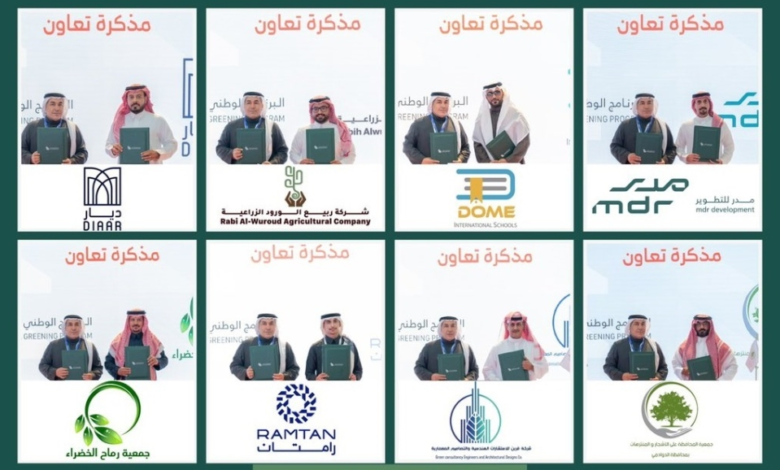

في خطوة نوعية تعكس التزام المملكة العربية السعودية بتحقيق الاستدامة البيئية، وقع البرنامج الوطني للتشجير 8 مذكرات تعاون إستراتيجية مع نخبة من الجمعيات والجهات والشركات الرائدة في القطاع العقاري. وتهدف هذه الاتفاقيات إلى زراعة أكثر من 8 ملايين شجرة، وجاء هذا الإعلان على هامش مشاركة البرنامج الفاعلة في معرض "ريستاتكس الرياض 2026"، الذي يعد منصة حيوية تجمع صناع القرار في القطاع العقاري والاستثماري.
تعزيز مستهدفات مبادرة السعودية الخضراء
تأتي هذه الخطوة امتداداً للجهود الحثيثة التي تبذلها المملكة في إطار مبادرة السعودية الخضراء، التي أطلقها صاحب السمو الملكي ولي العهد، والتي تستهدف زراعة 10 مليارات شجرة في جميع أنحاء المملكة خلال العقود القادمة. وتعد هذه المذكرات جزءاً لا يتجزأ من الإستراتيجية الوطنية لمكافحة التصحر، وتقليل الانبعاثات الكربونية، وتحسين جودة الحياة، بما يتماشى مع مستهدفات رؤية المملكة 2030 الطموحة التي تضع البيئة في مقدمة أولوياتها.
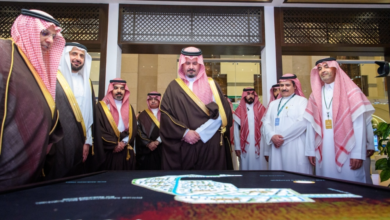
وقد قام بتوقيع المذكرات نائب الرئيس التنفيذي للبرنامج الوطني للتشجير، المهندس أحمد العنزي. واستعرض البرنامج خلال المعرض حزمة من المبادرات والجهود التي يقودها للإسهام في حماية البيئة وتنمية الغطاء النباتي، مؤكداً على أهمية الشراكة بين القطاعين الحكومي والخاص والقطاع غير الربحي لتحقيق هذه الأهداف الوطنية الكبرى.
آليات التنفيذ والاستدامة البيئية
لا تقتصر هذه الاتفاقيات على مجرد الزراعة، بل تركز بشكل أساسي على الاستدامة. حيث تهدف المذكرات إلى تعزيز التعاون لرفع الوعي المجتمعي والبيئي بأهمية المحافظة على الغطاء النباتي، خاصة في النطاق الحضري. وتتضمن الخطط التنفيذية الاعتماد على المياه الرمادية والمياه المعالجة في ري الأشجار، مما يعزز كفاءة استهلاك الموارد المائية.
كما يركز البرنامج على اختيار النباتات المحلية الملائمة لمناخ المملكة وتضاريسها المختلفة، لضمان نموها واستدامتها بأقل تكلفة مائية ممكنة. ويشمل التعاون تقديم الدعم الفني والاستشاري للمشاريع، وتبادل الخبرات، وبناء القدرات الوطنية في مجال التشجير، بالإضافة إلى تنفيذ زيارات ميدانية لضمان سير العمل وفق المعايير البيئية المعتمدة.
الأثر الاقتصادي والاجتماعي المتوقع
من المتوقع أن يكون لهذه المبادرة أثر إيجابي واسع النطاق؛ فزيادة الغطاء النباتي داخل المدن والمشاريع العقارية ستسهم في خفض درجات الحرارة، وتنقية الهواء، وتقليل العواصف الغبارية. علاوة على ذلك، فإن تحسين المشهد الحضري يعزز من الصحة العامة ويوفر بيئة جاذبة للسكان والزوار، مما ينعكس إيجاباً على القيمة الاقتصادية للمشاريع العقارية المشاركة.
وتشمل مواقع التشجير المستهدفة الحدائق، والميادين، والغابات، والمراعي، والمتنزهات، بالإضافة إلى إعادة تأهيل الأراضي المتدهورة. وتؤكد هذه الشراكات الإستراتيجية عزم البرنامج الوطني للتشجير على المضي قدماً في تحويل مدن المملكة إلى مدن خضراء صديقة للبيئة، ومواجهة التحديات المناخية بحلول عملية ومستدامة.