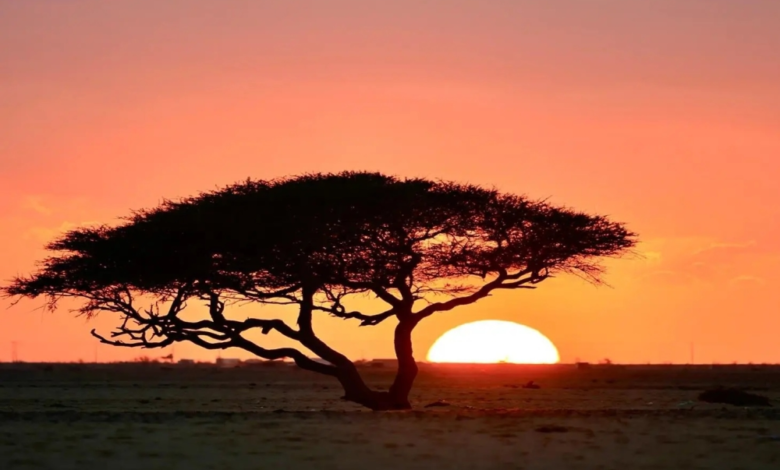

In a move that reinforces Saudi Arabia's efforts toward achieving environmental sustainability, the National Afforestation Program that the Tabuk region possesses exceptional natural resources and a unique environmental heritage, encompassing more than 63 species of native plants suitable for sustainable afforestation projects. This step comes as a cornerstone within the framework of national efforts to develop vegetation cover and combat land degradation, directly aligning with the objectives of the Saudi Green and the Kingdom's Vision 2030.
The diverse terrain of Tabuk and its role in sustainability
The program explained that the natural environments in the Tabuk region are characterized by stunning geographical diversity, encompassing valleys, meadows, plains, sand dunes, as well as coastal environments, islands scattered throughout the Red Sea, and towering mountain ranges. This topographical diversity enhances the chances of success for afforestation projects, as each environment provides an ideal habitat for specific plant species capable of adapting to different climatic conditions.
The Tabuk region holds significant strategic importance in the Kingdom's environmental and tourism projects, particularly with its hosting of mega-projects such as NEOM and the Red Sea Project. Relying on native plants in these areas is a smart and sustainable choice, given their ability to withstand high temperatures and water scarcity, thus reducing irrigation and maintenance costs compared to imported plants and contributing to the preservation of the natural ecological balance.
The most prominent targeted plant species
The program indicated that these plant species belong to families with long-established roots in the Saudi environment, most notably the Amaranthaceae, Acanthaceae, Oleander, Caperaceae, Ziziphus spina-christi, Rosaceae, Salixaceae, Apiaceae, and Asteraceae families. The list also includes the Boraginaceae, Amaranthaceae, Prataceae, Myrtle, Solanaceae, Salixaceae, Mustardaceae, and Iridaceae families.
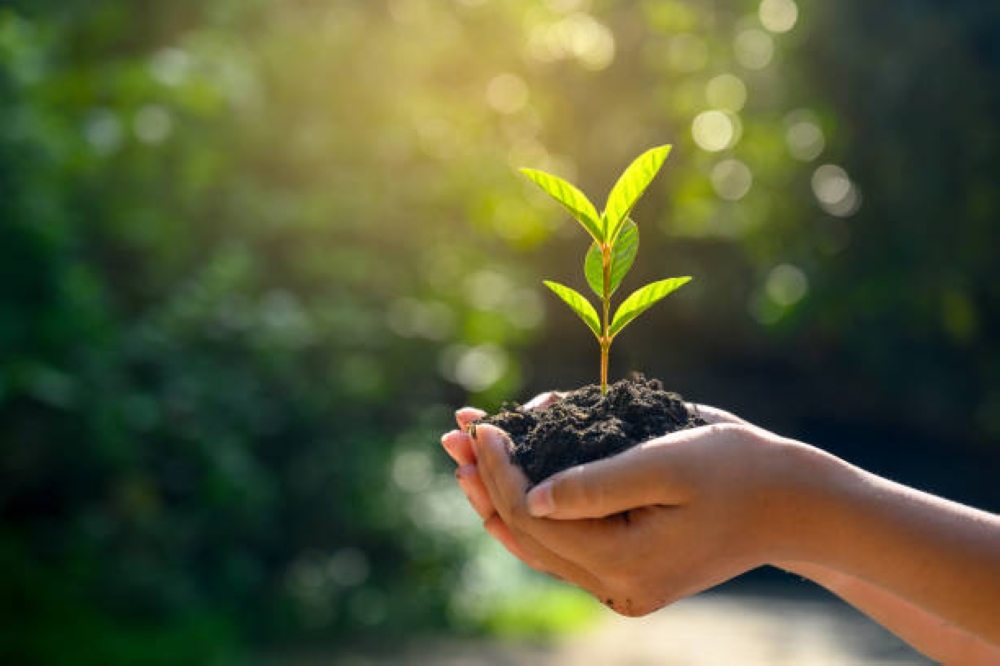
List of native trees and shrubs
The program noted that these species include a wide variety of perennial trees and shrubs, both small and large, as well as herbaceous and annual plants. These plants play a vital role in stabilizing the soil and preventing sand encroachment, thus contributing directly to environmental sustainability.
The program listed the most prominent native plants widespread in Tabuk and suitable for afforestation, including:
- Large trees: Sidr, wild almond, mangrove (which grows in coastal environments), terebinth, sarh, tarrah, hamat, athb, and Arabian moringa.
- Shrubs and plants: Succulent, Poetaceous, Poetaceous, Flourishing Sosphora, Orach, and Dung.
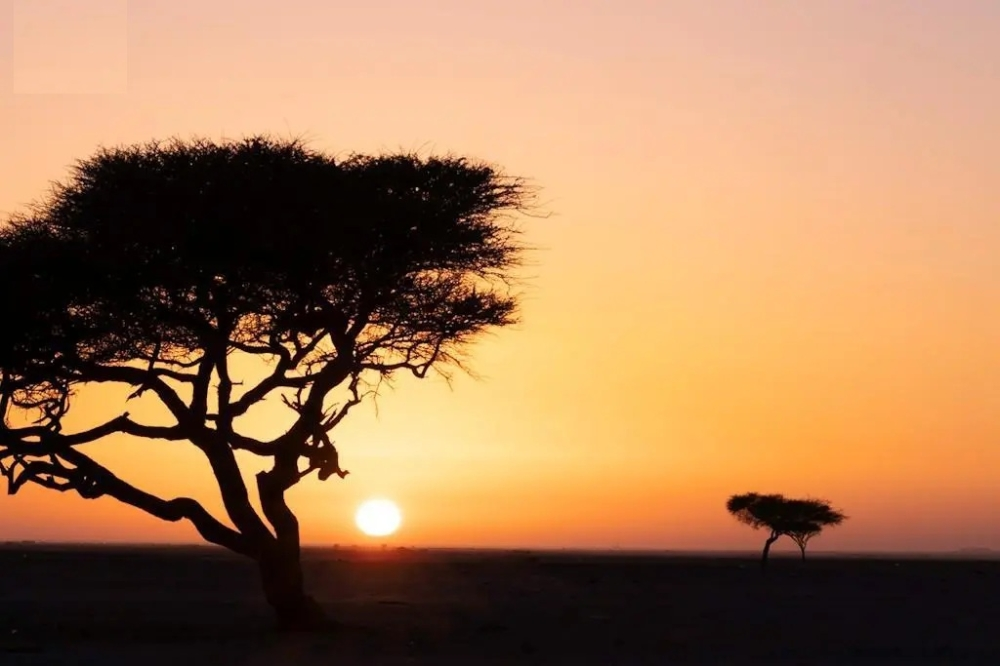
Biodiversity and a green future
The program noted that the list also includes diverse plants such as *al-Hadh*, *al-Qadqad*, *al-Jalman*, *al-Tahma*, *al-Dhamran*, *al-Aran*, *al-Qarzah*, *al-Marakh*, *al-Sawas*, and *al-Harjal*. The list also includes aromatic and medicinal plants such as *al-Qaysum*, *al-Abitharan*, *al-Kurdia*, *al-Asaf*, *Um Rumail*, *al-Rukhami*, *al-As*, *al-Armadh*, *al-Dhal*, *al-Awsaj*, and *al-Ab'ab*.
He added that plant diversity extends to include the tamarisk, the sedge, the wild thyme, the sedge, and the iris, in addition to a group of other species with limited distribution in the region’s different environments, reflecting the biological richness that the Kingdom enjoys.
In closing, the National Afforestation Program emphasized its ongoing commitment to leading afforestation initiatives in effective partnership with the public and private sectors, as well as non-profit environmental organizations. These partnerships aim to cultivate a culture of afforestation within the community and reinforce the importance of preserving native plants, not only as an environmental responsibility but also as a necessity for improving quality of life and achieving a sustainable, green future for generations to come.