
تفاصيل تحذيرات المركز الوطني للأرصاد
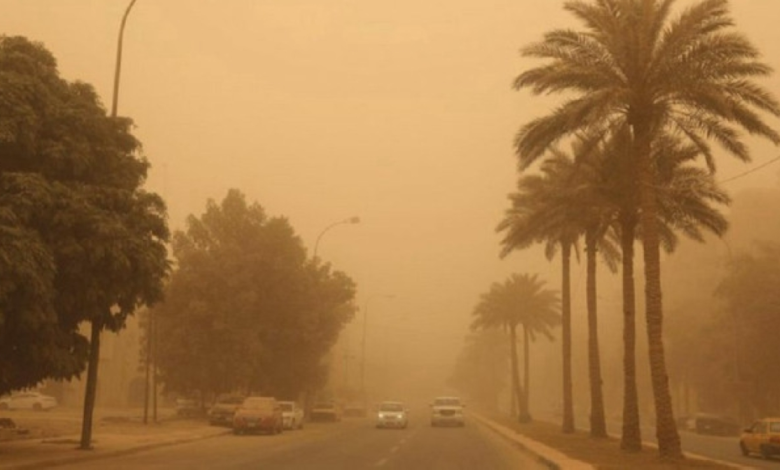
أصدر المركز الوطني للأرصاد في المملكة العربية السعودية تنبيهات هامة وعاجلة اليوم، محذراً من تقلبات جوية ملحوظة تتمثل في نشاط للرياح السطحية التي تؤدي إلى إثارة الأتربة والغبار. وقد تركزت هذه التحذيرات بشكل خاص على منطقتي نجران وتبوك، حيث يتوقع أن تشهد هذه المناطق تأثيرات مباشرة على مستوى الرؤية الأفقية وحركة التنقل.
في منطقة نجران، أوضح المركز أن الحالة الجوية تشمل مدينة نجران ومحافظات بدر الجنوب، ثار، حبونا، خباش، ويدمة. وتترافق هذه الحالة مع رياح نشطة تتسبب في تدني مدى الرؤية الأفقية لتتراوح بين 3 إلى 5 كيلومترات، ومن المتوقع أن تستمر هذه الأجواء المغبرة حتى الساعة العاشرة مساءً.
أما في منطقة تبوك، فقد شمل التنبيه محافظتي الوجه وأملج الساحليتين. وتتميز الحالة هناك برياح نشطة تؤدي إلى شبه انعدام في مدى الرؤية الأفقية (من 1 إلى 3 كيلومترات)، بالإضافة إلى ارتفاع ملحوظ في أمواج البحر، مما يستدعي أخذ الحيطة والحذر للمرتادين والصيادين. وتستمر هذه الحالة حتى الساعة السادسة مساءً.
امتداد الحالة الجوية لتشمل مناطق أخرى
لم تقتصر تحذيرات طقس السعودية على نجران وتبوك فحسب، بل أشار بيان الأرصاد إلى أن تأثير الرياح النشطة المثيرة للأتربة والغبار سيمتد ليشمل أجزاء واسعة من مناطق مكة المكرمة، المدينة المنورة، القصيم، حائل، الجوف، والحدود الشمالية. كما حذر المركز من احتمال وصول الحالة إلى شبه انعدام في الرؤية الأفقية على أجزاء من المنطقة الشرقية ومنطقة الرياض، مما يعكس شمولية هذه الموجة الغبارية وتأثيرها على قطاع كبير من جغرافية المملكة.
السياق العام والخلفية الجغرافية للحدث
تُعد العواصف الترابية والأتربة المثارة من الظواهر الجوية المتكررة والمعتادة في شبه الجزيرة العربية، وتحديداً في المملكة العربية السعودية، نظراً لطبيعتها الصحراوية ومساحتها الشاسعة. وتنشط هذه الظواهر عادةً خلال فترات الانتقال بين الفصول، حيث تحدث تغيرات سريعة في قيم الضغط الجوي وتتصارع الكتل الهوائية الباردة والدافئة، مما يولد رياحاً هابطة ونشطة تثير الرمال. ويلعب المركز الوطني للأرصاد دوراً حيوياً وتاريخياً في رصد هذه التغيرات المناخية باستخدام أحدث التقنيات الرادارية والأقمار الصناعية، لضمان تقديم إنذارات مبكرة تحمي الأرواح والممتلكات.
أهمية الحدث وتأثيراته المتوقعة
تحمل هذه التنبيهات الجوية أهمية كبرى على عدة أصعدة. محلياً، تؤثر الأتربة المثارة بشكل مباشر على حركة المرور البري، حيث يتطلب تدني الرؤية الأفقية على الطرق السريعة الرابطة بين المحافظات استنفاراً من قبل الجهات المرورية لتنظيم السير ومنع الحوادث. كما يبرز التأثير الصحي كأحد أهم التداعيات، إذ تزيد ذرات الغبار العالقة في الهواء من معاناة مرضى الجهاز التنفسي والربو، مما يرفع من معدلات مراجعة أقسام الطوارئ في المستشفيات.
على الصعيد الاقتصادي والإقليمي، يؤثر ارتفاع الأمواج وشبه انعدام الرؤية في المناطق الساحلية مثل الوجه وأملج على حركة الملاحة البحرية وأنشطة الصيد، مما قد يؤدي إلى تعليق مؤقت لبعض الرحلات البحرية التجارية والسياحية لضمان السلامة. وتؤكد هذه الإجراءات الاستباقية مدى التطور في إدارة الأزمات والكوارث الطبيعية في المملكة، بما يتماشى مع المعايير الدولية للسلامة العامة.
إرشادات السلامة العامة
في ظل هذه الظروف الجوية، تُهيب الجهات المعنية، وفي مقدمتها المديرية العامة للدفاع المدني ووزارة الصحة، بجميع المواطنين والمقيمين ضرورة الالتزام بالتعليمات الوقائية. يُنصح بالبقاء في المنازل قدر الإمكان وتجنب الخروج إلا للضرورة القصوى، خاصة لمن يعانون من أمراض تنفسية. كما يُشدد على قائدي المركبات بضرورة ترك مسافات آمنة، وإضاءة المصابيح التحذيرية، وتجنب السرعة الزائدة على الطرق السريعة المفتوحة لضمان سلامة الجميع حتى انجلاء هذه الموجة الغبارية.