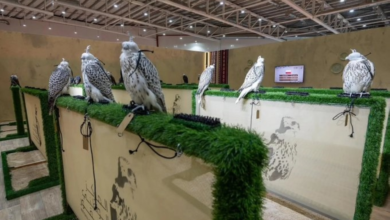

مقدمة: خطوة استراتيجية نحو الحفاظ على التراث
يُمثل اعتماد مجلس الوزراء لتنظيم المركز الوطني للصقور خطوةً نوعيةً واستراتيجية تعكس الاهتمام الكبير الذي توليه القيادة الرشيدة في المملكة العربية السعودية بموروث الصقارة. يُعد هذا الموروث الأصيل أحد أبرز المكونات الثقافية والتراثية المرتبطة بالهوية الوطنية السعودية. ويهدف هذا الاعتماد إلى تعزيز توجه المملكة نحو تطوير هذا القطاع عبر منظومة مؤسسية متخصصة، تسهم في تنظيم القطاع، وتنمية استثماراته، وتعزيز حضوره على المستويين المحلي والدولي، بما يواكب مستهدفات التنمية الثقافية والاقتصادية، ويضمن استدامته للأجيال القادمة.
السياق التاريخي: الصقارة إرث عربي أصيل
تاريخياً، لم تكن الصقارة مجرد هواية عابرة في شبه الجزيرة العربية، بل كانت أسلوب حياة ووسيلة أساسية للعيش والبقاء في بيئات صحراوية قاسية. لقد توارث الأبناء عن الآباء والأجداد فنون تدريب الصقور والصيد بها، حتى أصبحت رمزاً للشجاعة والصبر والفخر. وقد توجت هذه الأهمية التاريخية باعتراف منظمة الأمم المتحدة للتربية والعلم والثقافة (اليونسكو)، حيث أُدرجت الصقارة ضمن القائمة التمثيلية للتراث الثقافي غير المادي للبشرية، مما يؤكد أن جهود المملكة في مأسسة هذا القطاع تأتي استكمالاً لدورها الريادي في حماية التراث الإنساني.
الأهمية والتأثير: أبعاد محلية، إقليمية، ودولية
على الصعيد المحلي، يشكل تنظيم المركز الوطني للصقور مرحلةً جديدةً في مسيرة موروث الصقارة، حيث سيعمل على تطوير القطاعات المرتبطة به، ودمجها ضمن رؤية السعودية 2030 التي تؤكد على أهمية إحياء التراث الوطني. أما إقليمياً ودولياً، فإن هذا التنظيم سيجعل من المملكة وجهة عالمية رئيسية للصقارين والمهتمين بهذا المجال، خاصة مع استمرار تنظيم الفعاليات الكبرى، والمعارض، والمهرجانات، والمزادات الدولية التي تستقطب نخبة الصقارين من مختلف أنحاء العالم، مما يعزز من القوة الناعمة للمملكة ثقافياً.
الاستدامة البيئية وإعادة التوطين
لا يقتصر دور المركز الوطني للصقور على الجوانب الثقافية والاقتصادية فحسب، بل يمتد ليشمل العناية بالبيئة والحياة الفطرية. يتمثل الهدف الرئيس للمركز في العناية بالصقور وحمايتها من الانقراض، من خلال إدارة برامج إطلاق الصقور محلياً ودولياً لإعادتها إلى بيئاتها الطبيعية. هذه الجهود البيئية تضمن الحفاظ على التوازن البيئي وتدعم خطط الاستدامة التي تتبناها المملكة لحماية الحياة البرية.
التحول الاقتصادي والشراكات الاستراتيجية
من أبرز ما يميز التنظيم الجديد هو التوجه نحو تحويل موروث الصقور إلى نشاط اقتصادي منظم وقابل للنمو. سيتمكن المركز من تنمية موارده المالية من خلال الاستثمار المباشر، وإقامة شراكات استراتيجية فاعلة مع القطاع الخاص. هذا التحول سيخلق فرص عمل جديدة، ويدعم رواد الأعمال في المجالات ذات الصلة مثل الرعاية البيطرية للصقور، إنتاج أدوات الصقارة، والسياحة البيئية، مما يجعل المركز رافداً اقتصادياً وثقافياً متكاملاً.