Regulating street vendors 2025: A scientific model and national initiatives

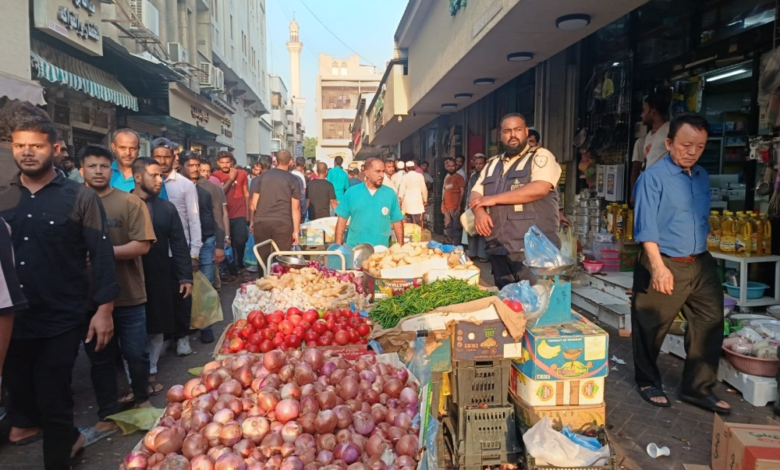
The Ministry of Municipalities and Housing achieved an unprecedented strategic accomplishment during the past year 2025, as it brought about a radical transformation in the issue of street vendors, moving this vital sector from the circle of individual efforts and temporary solutions to a sustainable institutional work system based on scientific foundations.
This initiative, overseen directly by Her Royal Highness Princess Najoud bint Hathloul bin Abdulaziz, has successfully integrated street vendors into the formal economic fabric of Saudi cities. This integration has contributed to increased compliance with regulations, improved the urban landscape, and provided decent income opportunities for the most vulnerable segments of society, aligning perfectly with the objectives of the Kingdom's Vision 2030 and the Quality of Life Program.
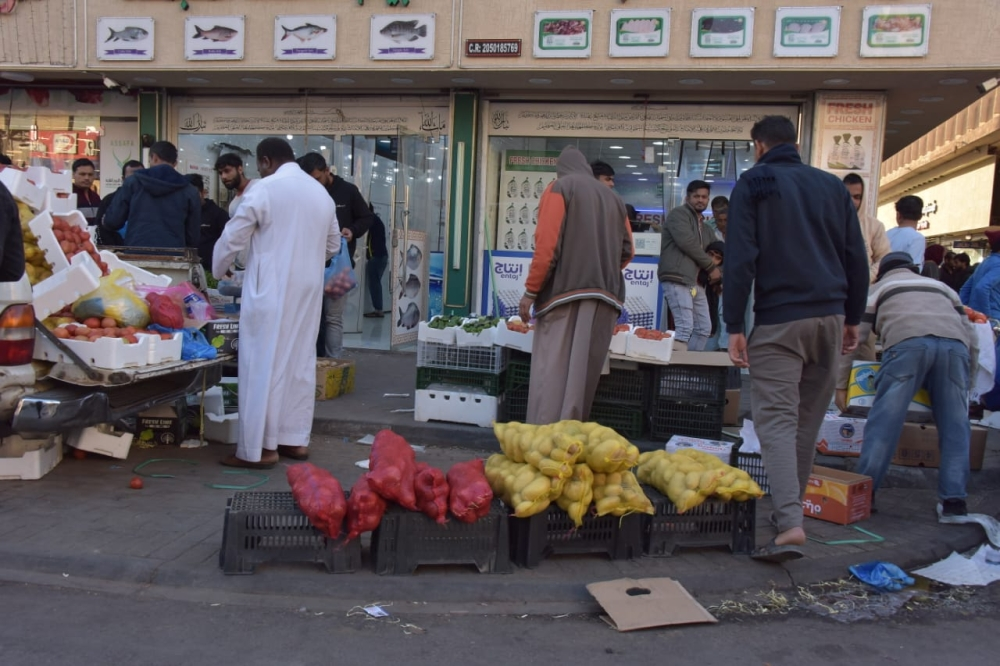
The context of the transformation and its economic importance
Historically, street vendors have posed a significant challenge for urban planners, often associated with haphazard development, visual pollution, and obstruction of pedestrian and vehicular traffic. However, the Ministry's new strategy addresses this issue not as a problem to be eliminated, but as an economic opportunity to be regulated. By developing an integrated value chain system, including updated legislation and oversight mechanisms, the Ministry has ensured a regulated and safe working environment that protects the rights of both vendors and consumers.
The initiative adopted new and streamlined regulatory requirements, which directly contributed to facilitating the beneficiary’s journey and integrating the activity within official frameworks, thus enhancing the sector’s governance and raising its operational efficiency.
Academic partnerships and model incubators
To ensure the sustainability of the solutions, the initiative developed a national model for developing the sector based on sound scientific principles, in strategic partnership with research centers and academic institutions. This partnership aims to study the actual needs of cities and identify the most suitable locations for vendors based on population density and commercial activity, ensuring that the solutions are aligned with the realities of Saudi cities.
As a practical step, the ministry implemented pilot programs for organized "municipal incubators" in several cities. These incubators provide modern, well-equipped operating environments that eliminate visual pollution and ensure sustainable income for vendors, transforming them from informal street vendors into small entrepreneurs who contribute to the economic cycle.
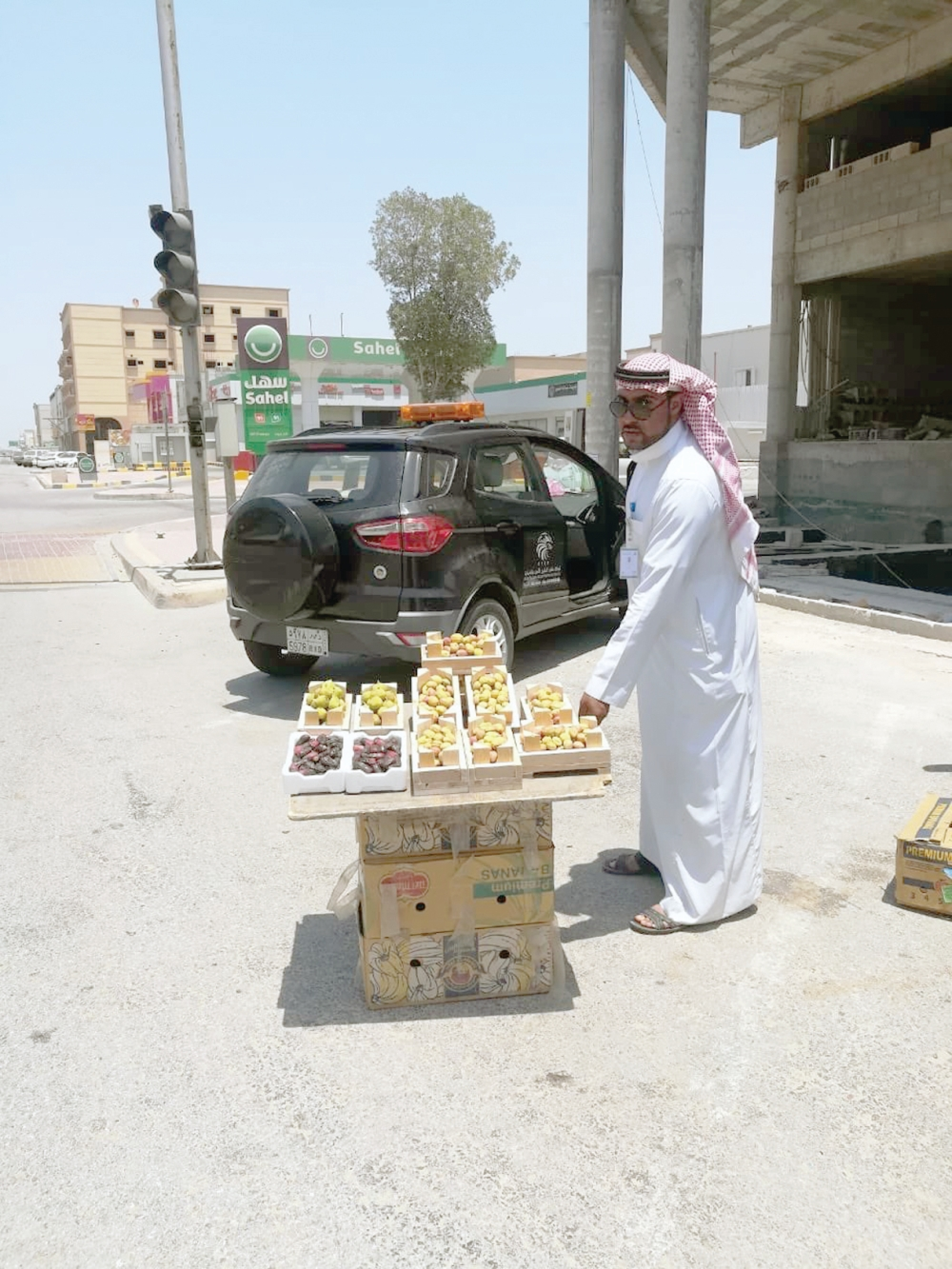
Social impact and quality of life
The ministry reinforced this transformation by building extensive partnerships with the government, non-profit, and investment sectors. These efforts resulted in the development of modern and integrated vendor databases, which helped to accurately target support to those who deserve it and improve income efficiency for targeted groups through stable operational solutions.
Princess Najoud bint Hathloul, the supervisor of the initiative, affirmed that the achievements of 2025 lay the foundation for a new phase of "sustainable development" and genuine economic empowerment, moving beyond temporary solutions. She indicated that the next phase will witness the expansion of successful models and the development of permanent projects in collaboration with municipalities to ensure the continuity of developmental impact and improve the quality of life for city residents and visitors.
This move comes as an activation of the Ministry’s strategy aimed at transforming informal economic activities into organized sectors, by taking advantage of digital transformation and creating enabling urban environments, which enhances the attractiveness of Saudi cities as a business-friendly and livable environment.