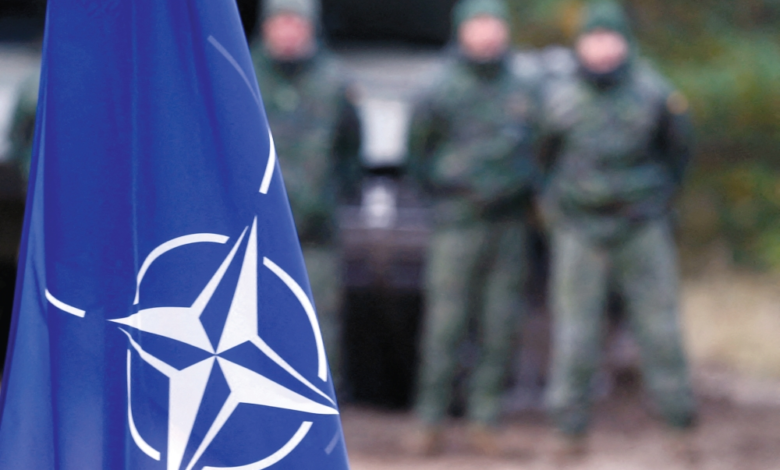

The top U.S. military commander and NATO official, General Alexus Grinkevich, confirmed that member states are currently engaged in "constructive" and in-depth discussions regarding the status of Greenland, a Danish territory, amid reports that the Trump administration is considering annexing the Arctic island. The general indicated that these discussions are taking place within the North Atlantic Council in Brussels, describing them as positive despite the sensitive diplomatic situation.
The strategic importance of the Arctic
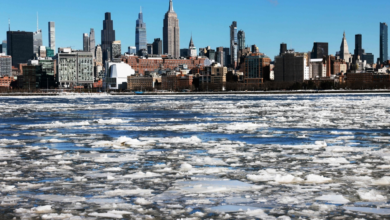
Speaking at a defense conference in Sweden, Grinkevich emphasized that the focus should not be solely on the political aspects of island ownership, but also on the serious geopolitical shifts in the Arctic region. He explained that melting ice due to climate change has opened up new waterways, increasing access to the region, a development that rival powers have exploited to expand their influence.
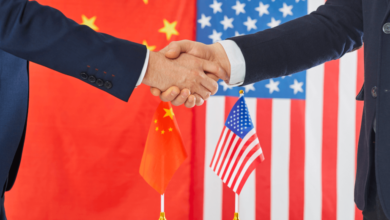
The general warned, "As the ice recedes and the range of access widens, we are clearly seeing increasing coordination between Russia and China." He added, referring to recent military movements, "We have observed Chinese ships conducting joint patrols with the Russian Navy, not only off the northern Russian coast, but also as far north as Alaska and near Canadian waters. These movements are not for scientific purposes or for studying seals and polar bears; they have clear military dimensions.".
Background of the conflict and international ambitions
Greenland's strategic importance stems not only from its geographical location midway between North America and Europe, but also from the presence of the Thule Air Base, a cornerstone of the US and NATO missile early warning system. Historically, Washington's desire to purchase the island is not new; President Harry Truman offered to buy it in 1946 due to its strategic significance during the Cold War. This interest was renewed under Trump because of the island's vast natural resources, including rare earth minerals vital to modern technology industries.
The alliance remained cohesive in the face of challenges
Despite the diplomatic tensions that the "buying of Greenland" issue might cause between the United States and Denmark, Grinkevich emphasized that NATO is far removed from internal crises, praising the long history of cooperation among its members. He explained that the allies work together to find solutions to complex issues, affirming NATO's readiness to defend all its member states against any threat.
This comes at a time when Danish Prime Minister Mette Frederiksen has warned of the dangers of any escalation, arguing that an attack on any NATO member could threaten the global security system established after the end of World War II. However, statements from military leaders indicate that the top priority at present is securing NATO's northern flank in the face of accelerating Russian and Chinese expansion.