NATO: Europe cannot defend itself without America and plans for smart borders

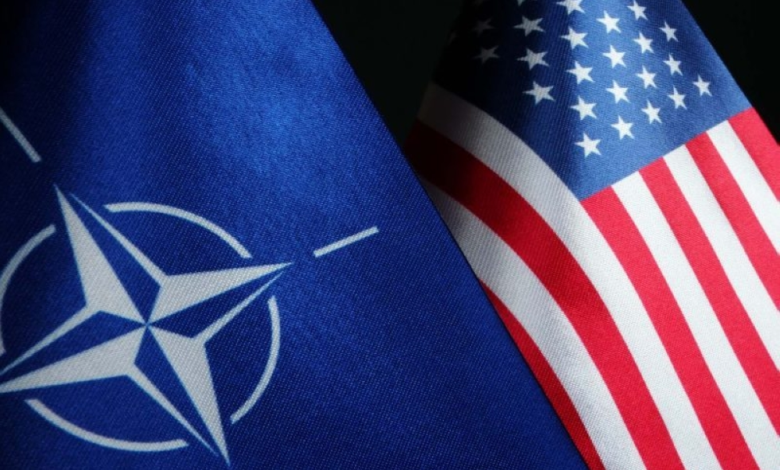
In a decisive statement that leaves no room for doubt about the future of security in Europe, NATO Mark Rutte affirmed on Monday that Europe cannot defend itself independently of the United States . These remarks come at a time of growing calls within European circles for greater “strategic autonomy,” particularly in light of recent tensions surrounding Greenland and ongoing defense negotiations.
“If anyone here still believes that the European Union, or Europe as a whole, can defend itself without the United States – keep dreaming,” Rutte told members of the European Parliament in a blunt manner. “You can’t.” This statement underscores the geopolitical reality that has governed transatlantic relations since the end of World War II, with Washington forming the backbone of European security.
The context of tensions and the need for the American umbrella
Rutte's remarks take on particular significance in the current circumstances, as Europe faces unprecedented security challenges, most notably the Russian-Ukrainian war, which has exposed significant gaps in European defense capabilities, ranging from ammunition shortages to reliance on American logistical and intelligence support. The reference to Greenland underscores the strategic importance of the Arctic region, where the United States and Denmark are seeking to renegotiate their defense agreements to prevent the expansion of Russian or Chinese influence in this vital area, thus confirming that European security is intrinsically linked to global American capabilities.
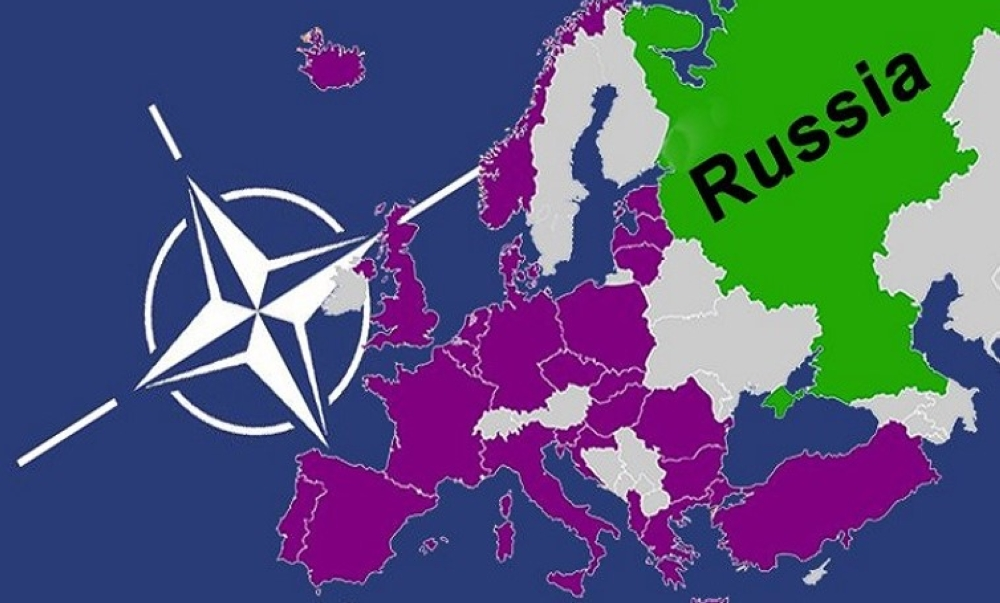
“Automated Zone” Plan on Russia’s Border
In an effort to bolster deterrence, NATO a significant leap forward in its defense strategy on its eastern border with Russia over the next two years. The plan involves creating an "automated" defense zone that relies almost entirely on advanced technology rather than traditional human forces.
General Thomas Lowen, Deputy Chief of Operations at NATO's Allied Land Command in Izmir, Turkey, revealed details of this ambitious project to the German newspaper Welt am Sonntag. He explained that this defensive belt would include a restricted zone that any hostile force would have to cross, describing it as "a kind of hot zone." This zone would rely on advanced sensors, drones, and AI-powered surveillance systems, reducing human risk and increasing the speed of response to any suspicious movements.
Regional and international repercussions
This trend carries profound strategic implications. Regionally, this shift represents NATO's attempt to compensate for the numerical disadvantage of European armies compared to Russian manpower through technological superiority. Internationally, the reliance on "automated defense" could alter traditional rules of engagement and trigger a new arms race focused on technology and unmanned systems. Furthermore, the emphasis on the American role sends a clear message to Moscow and Beijing that NATO's unity is unbreakable, despite any internal political differences that may occasionally surface.