King Abdulaziz University launches Technical Center 3 to support Vision 2030

In a strategic move to foster innovation and align academic learning with the evolving demands of the job market, King Abdulaziz University, also known as the Founder's University, announced the launch of the third edition of its prominent annual technology event, "Tech Hub 3." Organized by the Faculty of Computing and Information Technology, this important event runs until April 29th, providing a dynamic platform that brings together innovative students, industry experts, and leading companies.
Background of the event and its importance in the context of Vision 2030
The launch of “Technical Center 3” builds on the resounding success of the previous two editions, establishing the event as an annual landmark eagerly anticipated by those involved in the Kingdom’s technology sector. This initiative aligns with the university’s broader strategic framework, aimed at actively contributing to the realization of the Kingdom’s Vision 2030, which prioritizes digital transformation and human capital development. Through these initiatives, the university seeks to cultivate a knowledge-based economy and bridge the gap between academic skills and the actual needs of the industrial and technological sectors.
Expected impact at both the local and national levels
The event holds significant local and national importance. It is not merely an exhibition of student projects, but rather a comprehensive system aimed at honing skills, stimulating entrepreneurship, and creating high-quality job and training opportunities. TechHub3 is expected to contribute to supplying the Saudi labor market with qualified young national talent capable of working with the latest global technologies, such as artificial intelligence, cybersecurity, data science, and cloud computing. The event also reinforces Jeddah's position as a hub for technological innovation and attracts new investments by showcasing promising projects to investors and business owners.
A rich program and diverse activities
Dr. Sanaa Sharaf, Vice Dean of the Faculty of Computers and Information Technology, confirmed that the event was designed to be an interactive environment combining theoretical knowledge with practical application. TechHub3 features a rich professional program that includes:
- More than 15 dialogue sessions with a select group of experts.
- 19 practical workshops for developing technical skills.
- 11 specialized meetings covering the topics of the Internet of Things, robotics, and digital transformation.
- Interactive competitions in cybersecurity, competitive programming and environmental innovation.
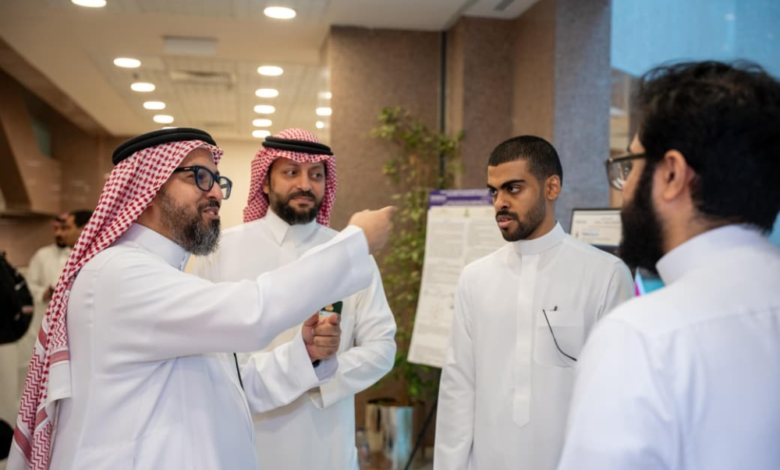
In addition, the event includes a specialized exhibition showcasing more than 100 innovative student technology projects, and booths for sponsoring companies, opening up broad prospects for cooperation and sustainable partnerships.
Strategic partnerships to support talent
The event features the participation of key supporting and partner organizations, most notably the Human Resources Development Fund (HRDF) as a knowledge partner and the Scientific Endowment as a strategic partner. These partnerships reflect the integration between the academic and governmental sectors to support and guide young talent, providing direct training and employment opportunities for participants, thus ensuring the transformation of innovative ideas into successful projects that serve the national economy.