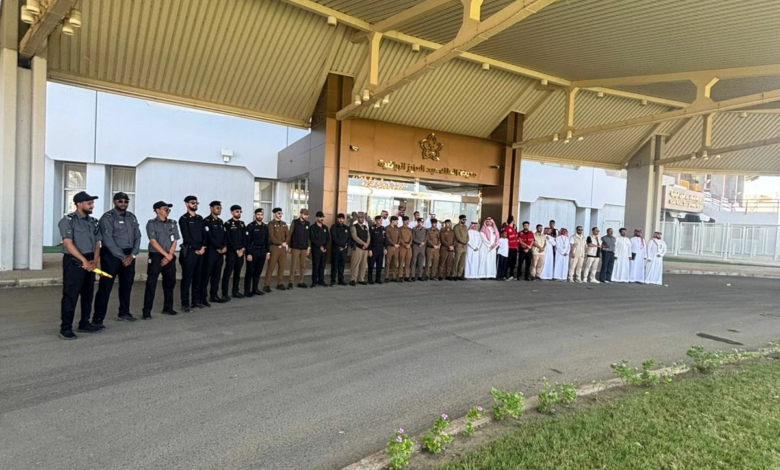

In a proactive step aimed at enhancing safety and security standards at sports facilities, the security sectors of the Ministry of Interior, in cooperation with the Saudi Red Crescent Authority, the Makkah Health Affairs Directorate, and the security department at King Abdulaziz Sports City, conducted a comprehensive security drill. The drill simulated a response to an emergency security threat that could endanger the safety of spectators during a sporting event, ensuring the highest levels of preparedness and rapid response.
General context and importance of insurance in light of Vision 2030
This move comes as part of the major transformation underway in Saudi Arabia's sports sector, a key pillar of Vision 2030. With the Kingdom hosting an increasing number of major international sporting events, such as Formula 1 races, world boxing championships, and international football matches, ensuring the safety of large crowds has become a top priority. Stadiums are no longer just venues for competition; they are cultural landmarks reflecting the Kingdom's ability to organize and manage global events efficiently and safely, requiring a robust security infrastructure and well-defined contingency plans.
Details of the hypothesis and coordination between participating parties
The security drill focused on several key areas, including how to protect attendees from any potential danger and implement safe and organized evacuation procedures from the stadiums to pre-determined safe assembly points. The drill also tested the speed of response and intervention of each participating entity in carrying out its assigned tasks. Security sectors were responsible for containing the threat and securing the site, while Red Crescent and health affairs teams provided first aid and transported (simulated) injured individuals in record time, highlighting the importance of integration between security and medical agencies to ensure everyone's safety.
Local and international impact on strengthening security measures
Domestically, these drills reassure sports fans and encourage them to attend events with complete confidence in the measures taken to protect them. Internationally, they send a clear message to global sports federations, athletes, and visitors that the Kingdom is a safe and reliable destination for hosting major tournaments. Having pre-prepared and readily implementable security plans enhances the Kingdom's reputation as a world-class organizer and strengthens its bids to host future mega-events such as the FIFA World Cup and the AFC Asian Cup.
This step confirms the attention that the Ministry of Sports, in cooperation with the Ministry of Interior and relevant authorities, pays to the safety of all segments of the sports community, and to the application of the best global practices in managing the security of crowds and sports facilities.