Nawaf bin Mohammed: The Football Federation's policies have sidelined 700 Saudi players

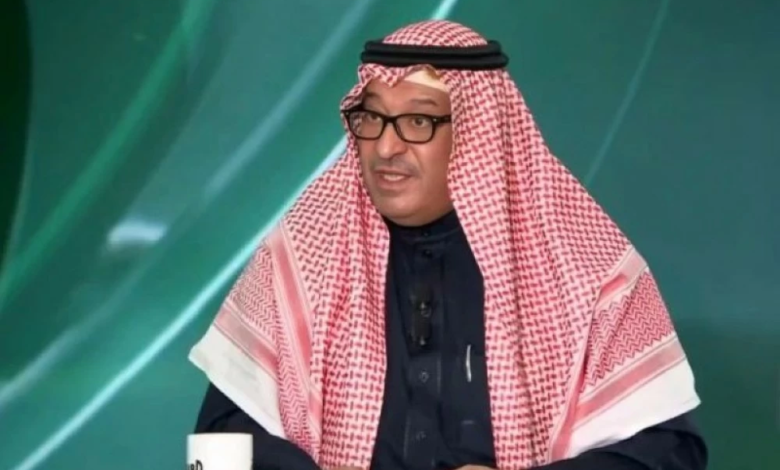
Prince Nawaf bin Mohammed, a prominent sports figure, raised a sensitive issue concerning the future of Saudi football, revealing alarming figures resulting from the policies implemented by the Saudi Football Federation last season. The Prince asserted that these policies directly led to the exclusion of approximately 700 Saudi players from the sporting system, leaving them outside the confines of clubs and without any real opportunities to participate or develop their skills, thus threatening the national talent pool.
Lack of strategic planning and the worsening crisis
During his appearance on the "In the Goal" program, hosted by journalist Batal Al-Qaws on Al-Arabiya channel, Prince Nawaf pointed out that the problem does not lie in a lack of resources, but rather in the absence of clear mechanisms and well-thought-out plans for developing stars. He explained that the football system's lack of effective development programs has contributed to complicating the situation, emphasizing that generous government support for clubs must be matched by a firm commitment to training players and honing their skills to ensure sustained competitiveness.
The context of transformation in Saudi football
Prince Nawaf bin Mohammed's statements come at a time when Saudi sports are undergoing unprecedented historical transformations, with the Roshan Professional League attracting the world's brightest stars. Amid this rapid development, the challenge lies in balancing the increased market value of the league through foreign professionals with preserving the identity of Saudi players and providing them with sufficient playing time. The departure of such a large number of players (700) raises serious questions about the future of youth and lower-division teams, which are the primary source of talent for the national teams.
Financial incentives as a tool for discipline
In discussing proposed solutions, Prince Nawaf pointed out that financial incentives, such as prize money, have proven successful in motivating players towards discipline and professionalism. He also questioned the practical effectiveness of some current programs, such as FIFA international breaks, asking whether clubs are actually using them to discover and develop talent or if they are simply wasting time.
The repercussions of the crisis on the national team
From a technical standpoint, the exodus of this number of players poses a threat to the future of the Saudi national team. The smaller the pool of professional players becomes, the fewer options are available to the national team's coaching staff. Therefore, retaining players within the system and providing them with a professional environment is not merely a matter for the clubs, but a national duty that serves the best interests of Saudi football and its representation in international and continental competitions.
The principle of support versus commitment
Prince Nawaf concluded by emphasizing that a clear and binding mechanism for player development has become an urgent necessity that cannot be postponed. He criticized the lack of enthusiasm shown by some clubs in implementing development programs due to organizational burdens, despite receiving substantial financial support. He directed a clear message to club decision-makers: "When funds and support are provided, there must be a commitment to action and development," to ensure that sporting achievements and young talents are not wasted.