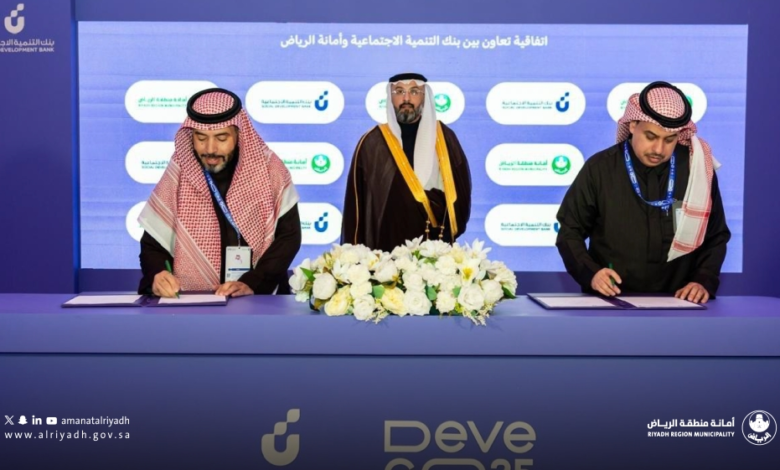

تُعد تمكين الطاقات الوطنية ودعم المشاريع الصغيرة من أهم الركائز التي تعتمد عليها الاقتصادات الحديثة للنمو والازدهار. وفي هذا السياق، أبرمت أمانة منطقة الرياض وبنك التنمية الاجتماعية اتفاقية تعاون استراتيجية لإطلاق مبادرة «نوافذ»، وهي خطوة رائدة تهدف إلى تمكين الأسر المنتجة في الرياض من النفاذ إلى الأسواق المحلية عبر توفير منافذ بيع دائمة ومؤقتة. تأتي هذه المبادرة لتعزيز الشراكات التنموية ودعم جودة الحياة في العاصمة السعودية، بما يتماشى مع المستهدفات الطموحة لرؤية المملكة 2030.
السياق العام والتطور التاريخي لدعم الأسر المنتجة
تاريخياً، كانت الأسر المنتجة في المملكة العربية السعودية تعتمد على جهود فردية غير منظمة للوصول إلى المستهلكين، غالباً عبر المعارض الموسمية أو التسويق الإلكتروني البسيط. ومع إطلاق رؤية 2030، تغير المشهد جذرياً؛ حيث توجهت الدولة نحو مأسسة هذا القطاع وتنظيمه، وتحويل هذه الأسر من الرعاية الاجتماعية إلى الإنتاج والمشاركة الفاعلة في الاقتصاد الوطني. وقد لعب بنك التنمية الاجتماعية دوراً محورياً على مر السنوات في تقديم التمويل الميسر والتدريب، لتأتي مبادرة «نوافذ» اليوم كتتويج لهذه الجهود من خلال توفير منصات بيع فعلية ومستدامة.
تفاصيل مبادرة نوافذ: منافذ بيع دائمة ومؤقتة
يسعى الجانبان من خلال هذه المبادرة إلى خلق بيئة منظمة ومهيأة بالكامل لممارسة الأنشطة التجارية الصغيرة. تتضمن المبادرة نشر منافذ بيع دائمة، مثل الأكشاك ذات التصاميم العصرية في الحدائق العامة والميادين الكبرى في الرياض. إلى جانب ذلك، سيتم توفير نقاط بيع مؤقتة تتزامن مع الفعاليات والمهرجانات والبازارات. تم تصميم هذه الوحدات بتجهيزات خارجية ووحدات عرض متكاملة تسهم في توسيع الفرص التسويقية للفئات المنتجة، وتوثيق حضورها في المرافق العامة بطريقة حضارية وجذابة.
الأثر الاقتصادي والاجتماعي المتوقع
على الصعيد المحلي، تحمل مبادرة «نوافذ» تأثيراً اقتصادياً واجتماعياً بالغ الأهمية. فهي تفتح آفاقاً تسويقية واسعة تدعم ثقافة العمل الحر، وتسهل وصول أصحاب المشاريع المتناهية الصغر إلى شريحة أكبر من العملاء دون تحمل تكاليف إيجار باهظة للمحلات التجارية. كما تعزز هذه الخطوة من استقلالية الأسر المادية، وتساهم في خفض معدلات البطالة، وتنشيط الدورة الاقتصادية داخل أحياء العاصمة. إقليمياً، تُقدم الرياض نموذجاً يُحتذى به للمدن العربية في كيفية دمج الفئات الأقل دخلاً في النسيج الاقتصادي الحضري.
الارتقاء بالمشهد الحضري وجودة الحياة
لا تقتصر فوائد الاتفاقية على الجانب الاقتصادي فحسب، بل تمتد لتشمل تحسين المشهد الحضري. فقد بيّنت الجهات المعنية أن الاتفاقية تؤسس لتطوير وحدات بيع بمعايير حضرية موحدة، مما يقضي على العشوائية والتشوه البصري الذي قد يصاحب البيع الجائل غير المنظم. هذا التوجه يعزز جودة البيئة العمرانية في المواقع المستهدفة، ويحول الحدائق والميادين إلى مساحات مجتمعية نابضة بالحياة، تقدم خدمات عالية الجودة للمتنزهين والزوار.
في الختام، تأتي هذه الخطوة انسجاماً تاماً مع رؤية «أمانة الرياض» الرامية لبناء مدينة مزدهرة ومستدامة. من خلال تمكين المبادرات المجتمعية ذات الأثر الاقتصادي، وتفعيل الأصول العامة بذكاء، ترسم الرياض مستقبلاً مشرقاً يضع الإنسان وتنميته في صميم أولوياته.