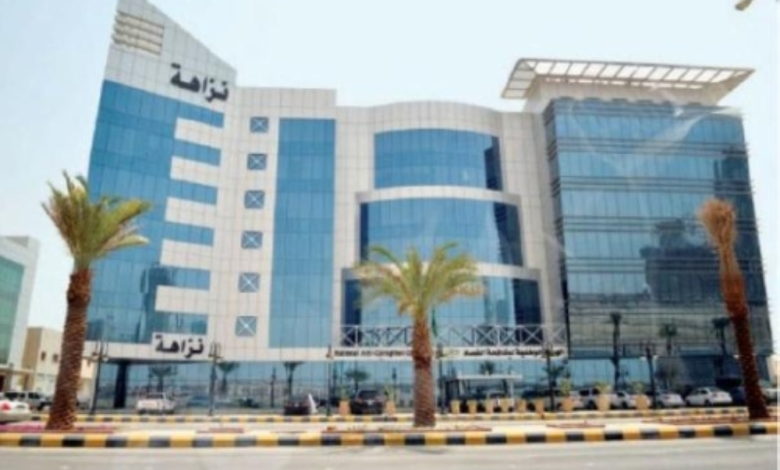

في خطوة جديدة تؤكد على النهج الراسخ للمملكة العربية السعودية في محاربة الفساد بكافة أشكاله، أعلنت هيئة الرقابة ومكافحة الفساد (نزاهة) عن مباشرة عدد من القضايا الجنائية والإدارية خلال شهر مايو الماضي. وأسفرت هذه الجهود عن إيقاف 160 شخصًا، من بينهم موظفون في وزارات وهيئات حكومية مختلفة، لتورطهم في تهم تتعلق بالرشوة، استغلال النفوذ الوظيفي، وغسل الأموال، مما يعكس الإصرار على تعزيز مبادئ الشفافية والعدالة في كافة قطاعات الدولة.
جهود مستمرة لتعزيز الشفافية ضمن رؤية 2030
تأتي هذه الحملات الدورية في سياق أوسع يتماشى مع أهداف رؤية المملكة 2030، التي تضع مكافحة الفساد كأحد أهم ركائزها الأساسية لتحقيق التنمية المستدامة وبناء اقتصاد مزدهر ومتنوع. فمنذ انطلاق الرؤية، عملت المملكة على تطوير المنظومة التشريعية والرقابية لضمان أعلى مستويات النزاهة في القطاعين العام والخاص. وتلعب هيئة “نزاهة” دورًا محوريًا في هذه الاستراتيجية، حيث تعمل بشكل مستقل على تتبع قضايا الفساد المالي والإداري، والتحقيق فيها، وإحالة المتورطين إلى القضاء دون أي تهاون أو تمييز.
إن هذه الإجراءات لا تهدف فقط إلى معاقبة المخالفين، بل تسعى أيضًا إلى بناء ثقافة مجتمعية رافضة للفساد، وتعزيز ثقة المواطنين والمقيمين في مؤسسات الدولة. كما أنها تبعث برسالة قوية للمستثمرين المحليين والدوليين بأن المملكة بيئة آمنة وجاذبة للاستثمار، تقوم على أسس من العدالة والشفافية وسيادة القانون.
تفاصيل عمليات هيئة الرقابة ومكافحة الفساد لشهر مايو
كشف التقرير الشهري للهيئة عن حجم العمليات الرقابية المكثفة التي تم تنفيذها، حيث باشرت الهيئة 2,365 جولة رقابية، وقامت بالتحقيق مع 480 متهمًا في قضايا جنائية وإدارية. كما شملت الجهود الرقابية تنفيذ 14,989 جولة في المشاعر المقدسة لضمان جودة الخدمات المقدمة لضيوف الرحمن. وشملت قائمة المتهمين موظفين من وزارات حيوية مثل وزارة الشؤون البلدية والقروية والإسكان، وزارة التعليم، وزارة الصحة، ووزارة الشؤون الإسلامية والدعوة والإرشاد، بالإضافة إلى هيئة الزكاة والضريبة والجمارك. وقد تم إيقاف 160 شخصًا وفقًا للإجراءات النظامية، مع إطلاق سراح بعضهم بالكفالة الضامنة.
تأثير إيجابي على المناخ الاقتصادي
يترتب على هذه الجهود الحثيثة لمكافحة الفساد آثار إيجابية ملموسة على الصعيدين المحلي والدولي. فعلى المستوى المحلي، تساهم هذه الإجراءات في رفع كفاءة الأجهزة الحكومية وتحسين جودة الخدمات العامة، وتضمن توجيه الموارد المالية للدولة نحو المشاريع التنموية التي تعود بالنفع على المواطنين. أما على الصعيد الدولي، فإنها تعزز من سمعة المملكة كوجهة استثمارية موثوقة، مما يشجع على تدفق الاستثمارات الأجنبية ويدعم خطط التنويع الاقتصادي التي تعد جوهر رؤية 2030.