
خلل تقني طارئ في نظام الإنذار المبكر
أعلن المركز الوطني للأرصاد في المملكة العربية السعودية، اليوم الجمعة، عن تعرض «نظام الإنذار المبكر» لخلل تقني مؤقت. وقد أدى هذا العطل الطارئ إلى إعاقة بث التنبيهات الآلية المعتادة عبر الحساب الرسمي للمركز على منصة «إكس» (تويتر سابقاً). وأكد المركز في بيانه أن الفرق الفنية المتخصصة تعمل على مدار الساعة وتواصل جهودها المكثفة لمعالجة هذا الخلل التقني، بهدف إعادة خدمة البث الآلي للتنبيهات في أقرب وقت ممكن، لضمان وصول المعلومات التحذيرية للمواطنين والمقيمين بكفاءة عالية.
توقعات حالة الطقس: أمطار رعدية ورياح نشطة
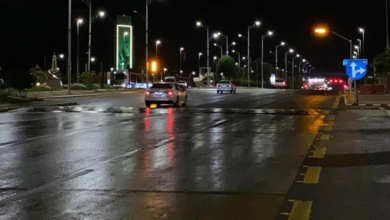
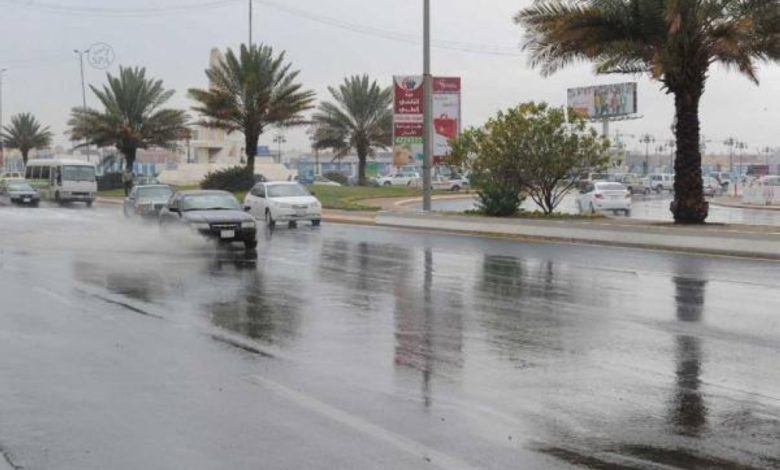
وفي سياق متصل بالتقلبات المناخية الحالية، كشف التقرير اليومي الصادر عن المركز الوطني للأرصاد عن استمرار فرص هطول أمطار رعدية تتراوح حدتها بين الخفيفة والمتوسطة. وتترافق هذه الحالة الجوية مع رياح نشطة قد تؤدي إلى إثارة الأتربة والغبار، مما يؤثر على مدى الرؤية الأفقية في عدة مناطق. وأوضح التقرير أن هذه التأثيرات المناخية تمتد لتشمل أجزاء واسعة من مناطق جازان، عسير، الباحة، مكة المكرمة، والمدينة المنورة. كما تتسع رقعة الحالة الجوية لتغطي مناطق تبوك، الجوف، الحدود الشمالية، حائل، القصيم، العاصمة الرياض، وصولاً إلى الأجزاء الشمالية من المنطقة الشرقية.
السياق التاريخي وأهمية الرصد الجوي في المملكة
تاريخياً، أولت المملكة العربية السعودية اهتماماً بالغاً بقطاع الأرصاد الجوية منذ عقود، حيث تطور المركز الوطني للأرصاد ليصبح واحداً من أهم المراكز الإقليمية في الشرق الأوسط. تم تأسيس نظام الإنذار المبكر كخطوة استراتيجية استجابةً للحاجة الملحة لحماية الأرواح والممتلكات من الكوارث الطبيعية والتقلبات الجوية الحادة. ويعتمد هذا النظام على شبكة معقدة من الرادارات والأقمار الصناعية ومحطات الرصد السطحية التي تعمل بتناغم لتقديم قراءات دقيقة. وتأتي هذه الجهود متوافقة مع مستهدفات «رؤية السعودية 2030»، التي تشدد على أهمية الاستدامة البيئية، ورفع مستوى جودة الحياة، وتعزيز جاهزية البنية التحتية للتعامل مع التغيرات المناخية.
التأثير المتوقع للتقلبات الجوية (محلياً وإقليمياً)
على الصعيد المحلي، تلعب التنبيهات الجوية دوراً حاسماً في تسيير الحياة اليومية، حيث تؤثر الأمطار الرعدية والرياح النشطة بشكل مباشر على حركة المرور، الملاحة الجوية والبحرية، والأنشطة الزراعية. غياب التنبيهات اللحظية ولو لفترة قصيرة يتطلب من الجمهور وعياً مضاعفاً. أما على الصعيد الإقليمي، فإن شبه الجزيرة العربية تشهد في السنوات الأخيرة تغيرات مناخية ملحوظة تتمثل في زيادة وتيرة الحالات المطرية المتطرفة في أوقات غير معتادة، مما يجعل أنظمة الإنذار المبكر السعودية مرجعاً هاماً حتى للدول المجاورة التي تتأثر بنفس الأنظمة الجوية.
إرشادات السلامة والاعتماد على المصادر الرسمية
في ظل هذه الظروف، شدد المركز الوطني للأرصاد على ضرورة متابعة القنوات الرسمية المعتمدة للحصول على المعلومات الدقيقة والمحدثة، خاصة مع التقلبات المناخية الراهنة. ويُنصح دائماً خلال فترات هطول الأمطار الرعدية ونشاط الرياح السطحية بالابتعاد عن مجاري السيول والأودية، وتجنب المناطق المنخفضة، وتوخي أقصى درجات الحيطة والحذر أثناء القيادة في الطرق السريعة لتجنب الحوادث الناتجة عن انعدام الرؤية أو انزلاق المركبات.