
أعلن المركز الوطني للأرصاد في المملكة العربية السعودية عن اكتمال جاهزيته الفنية والتشغيلية لاستقبال موسم شهر رمضان المبارك لعام 1447هـ، وذلك من خلال إطلاق خطة استراتيجية شاملة تهدف إلى تعزيز دقة التغطية الجغرافية ورفع كفاءة الرصد الجوي في مكة المكرمة والمدينة المنورة، والمشاعر المقدسة، والطرق المؤدية إليها.
أهمية الرصد الجوي في مواسم العمرة
تكتسب استعدادات المركز الوطني للأرصاد أهمية قصوى نظراً للكثافة البشرية العالية التي تشهدها الحرمين الشريفين خلال شهر رمضان المبارك. وتعد دقة المعلومات المناخية ركيزة أساسية في إدارة الحشود وضمان سلامة ضيوف الرحمن، حيث تسهم التوقعات الدقيقة في دعم الجهات الأمنية والخدمية لاتخاذ القرارات الاستباقية المناسبة، سواء فيما يتعلق بتنظيم حركة السير على الطرق السريعة أو إدارة التفويج داخل الساحات، مما يعكس حرص المملكة على تسخير كافة الإمكانات لخدمة قاصدي المسجد الحرام والمسجد النبوي.
تقنيات متطورة ونمذجة عددية سعودية
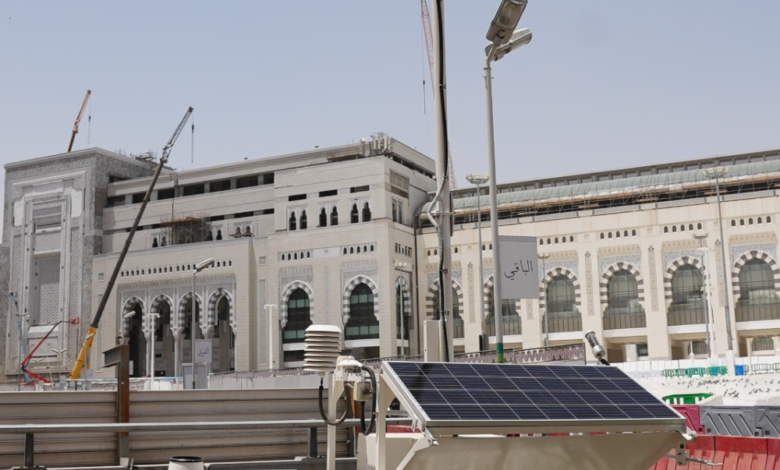
وفي إطار تعزيز دقة المعلومات، اعتمد المركز في خطته لهذا العام على منظومة تقنية متكاملة تشمل شبكة واسعة من الرادارات المتطورة لرصد الطقس، وصور الأقمار الصناعية المباشرة، بالإضافة إلى الاعتماد على "النموذج العددي السعودي" لتوقعات الطقس. وتعمل هذه المنظومة جنباً إلى جنب مع المراصد المأهولة والمحطات الأوتوماتيكية والمتنقلة التي يديرها نخبة من الكوادر الوطنية المؤهلة، لضمان سرعة إصدار التقارير والإنذارات المبكرة بدقة عالية.
التكامل الرقمي مع التطبيقات الذكية
ركزت الخطة التشغيلية لموسم رمضان بشكل كبير على التحول الرقمي وسرعة وصول المعلومة للمستفيدين. حيث تم تفعيل الربط التقني المباشر مع التطبيقات الحكومية الذكية مثل تطبيق "نسك" وتطبيق "توكلنا"، بالإضافة إلى تطبيق "أنواء" التابع للمركز، مما يتيح للمعتمرين والزوار الاطلاع على حالة الطقس الآنية والتوقعات المستقبلية لعشرة أيام قادمة، وتلقي التنبيهات الجوية بشكل فوري لضمان سلامتهم وراحتهم أثناء أداء المناسك.
تصريحات الرئيس التنفيذي وجاهزية المطارات
من جانبه، أكد الرئيس التنفيذي للمركز الوطني للأرصاد، الدكتور أيمن بن سالم غلام، أن المركز يعمل بتنسيق مستمر ومتابعة دقيقة مع كافة الجهات ذات العلاقة لضمان نجاح الخطة التشغيلية. وأشار إلى أن الاستعدادات شملت رفع مستوى الأداء في المراصد التابعة للمركز في مطارات المملكة المختلفة، وذلك لضمان سلامة الملاحة الجوية والتعامل الأمثل مع كثافة الرحلات الجوية المتوقعة خلال الشهر الفضيل.
وتتضمن الخطة أيضاً تسخير 14 منصة إعلامية متنوعة لضمان إيصال الرسائل التوعوية والتحذيرية للجمهور، وعرض توقعات الطقس عبر اللوحات الإرشادية على الطرق السريعة، مما يسهم في رفع مستوى الوعي وتحقيق أعلى معايير الأمن والسلامة للجميع.