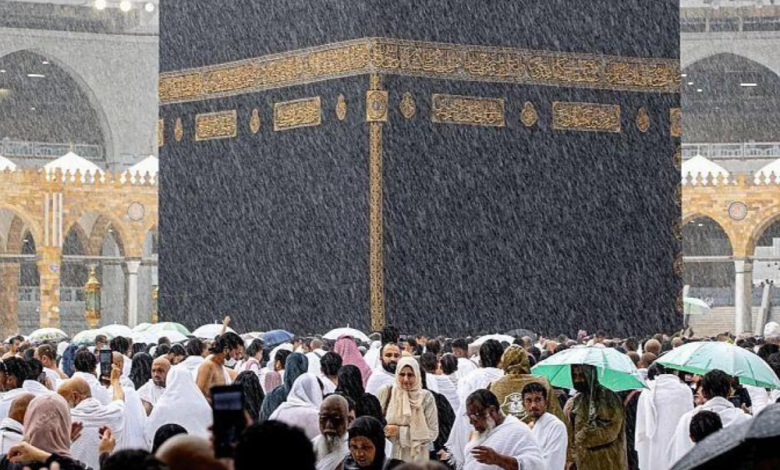

The National Center for Meteorology announced that it has raised its operational and technical readiness to the maximum in preparation for the holy month of Ramadan for the year 1447 AH, through the activation of a comprehensive strategic plan aimed at covering all geographical areas in Makkah and Madinah, with a special focus on the Two Holy Mosques, the prayer times and the highways leading to them.
Advanced monitoring technologies to serve the pilgrims
As part of the Kingdom of Saudi Arabia's commitment to harnessing technology to serve pilgrims to the Holy Mosque, the CEO of the center, Dr. Ayman bin Salem Ghulam, explained that the plan relies on an integrated technological system. This system includes the use of the latest weather radars, live satellite imagery, and the Saudi numerical weather prediction model. These technologies work in conjunction with manned observatories and mobile automated stations operated by a select group of qualified national personnel to ensure the accuracy of information and its rapid dissemination to relevant authorities.
Digital integration with "Nusk" and "Tawakkalna"
To ensure easy access to meteorological information for beneficiaries, the center has enhanced its technical integration with major national digital platforms such as the "Nusk" and "Tawakkalna" applications. This step allows pilgrims and visitors to view current weather conditions and ten-day forecasts via the "Anwaa" application, thus contributing to planning their trips and performing their rituals in a safe and comfortable environment.
The importance of weather monitoring in crowd management and road safety
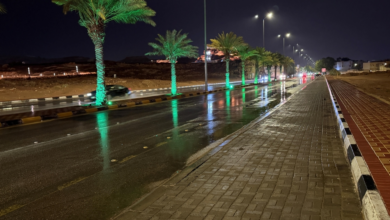
These preparations are of paramount importance given the high population density in Mecca and Medina during the holy month. Accurate weather monitoring will support field decision-makers, both in managing crowds within the Two Holy Mosques and in regulating traffic flow on highways. Weather forecasts and early warnings will be displayed on smart road signs, enhancing traffic safety and reducing risks associated with sudden weather changes such as dust storms or rain.
Air navigation and airport support
The plan also addressed air navigation, enhancing the efficiency of the center's observatories at various airports across the Kingdom. This measure aims to optimally manage the anticipated increase in flights during Ramadan and ensure air navigation safety by providing regular, real-time reports on weather conditions in the upper atmosphere and around airports.
These tireless efforts come as part of the National Center of Meteorology’s commitment to achieving the highest standards of environmental safety and security, and harnessing all its media capabilities across 14 diverse platforms to raise the level of meteorological awareness among everyone during this blessed season.