The United Nations welcomes the Southern Yemeni Dialogue Conference in Riyadh

The United Nations announced its official welcome of the call made by Dr. Rashad Al-Alimi, Chairman of the Presidential Leadership Council in Yemen, to hold a comprehensive southern dialogue conference hosted by the Saudi capital, Riyadh, in a step aimed at strengthening internal consensus and unifying visions among the various political components.
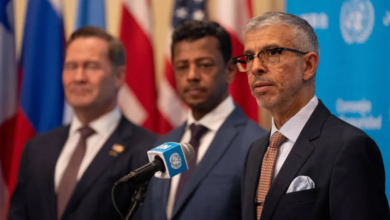
In a statement to the Saudi Press Agency (SPA), the spokesperson for the UN Secretary-General, Stéphane Dujarric, affirmed that the international organization is closely monitoring the field and political developments in the eastern and southern governorates of Yemen. Dujarric emphasized the UN's unwavering support for all efforts aimed at resolving political differences through dialogue and peaceful negotiations, rejecting any escalation of violence.
The importance of unifying the Yemeni ranks
This call for unity is of paramount strategic importance given the current political context in Yemen. Since the formation of the Presidential Leadership Council in April 2022, under the auspices of the Gulf Cooperation Council, unifying the internal front, particularly the southern factions, has remained one of the most significant challenges facing the legitimate government. This anticipated conference represents a serious attempt to formulate a shared vision that addresses the southern issue within the framework of national consensus, thereby strengthening the legitimate government's position in any future comprehensive peace negotiations.
The international role and regional efforts
The UN official noted that the Special Envoy of the Secretary-General for Yemen, Hans Grundberg, continues his direct and intensive engagement with all Yemeni stakeholders, as well as regional and international partners. These diplomatic efforts aim to build upon such positive initiatives to advance a sustainable political settlement.
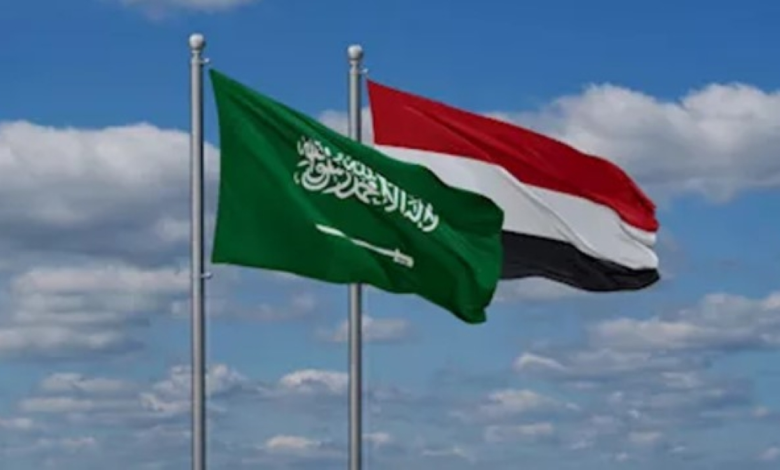
The choice of Riyadh as the venue for this conference reflects the pivotal role Saudi Arabia plays in the Yemeni conflict, not only as the leader of the Arab Coalition but also as a key sponsor of peace and stability efforts. By hosting these talks, the Kingdom seeks to bridge the gap between the Yemeni factions and create a conducive environment for reaching a comprehensive political solution that will end the protracted conflict.
Towards a comprehensive political settlement
The United Nations reaffirmed its full commitment to supporting the aspirations of the Yemeni people to restore security and stability, stressing that piecemeal solutions are no substitute for a comprehensive, negotiated political settlement that guarantees the participation of all parties. The success of the Southern Dialogue is seen as a cornerstone for the success of the broader political process in the country, as the stability of the liberated governorates and the consensus among their constituent groups are essential for improving the economic and service conditions of citizens and paving the way for recovery and reconstruction.