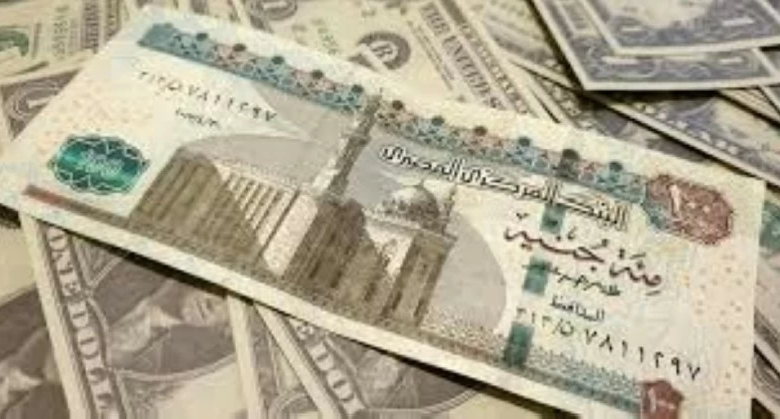

The Saudi riyal saw a new fluctuation against the Egyptian pound in today's trading, with the Saudi currency recording a slight increase at the Central Bank of Egypt and most banks operating in the banking sector, bringing the selling price close to 13.40 Egyptian pounds. This movement comes within the framework of the supply and demand mechanism that has governed the Egyptian foreign exchange market since the recent decisions to liberalize the exchange rate.
Saudi Riyal exchange rate in Egyptian banks today
According to the latest updates on trading screens, the Saudi Riyal exchange rates are as follows:
- The Central Bank of Egypt: The average exchange rate recorded 13.35 Egyptian pounds for buying and 13.39 Egyptian pounds for selling, reflecting a slight increase compared to yesterday's transactions.
- National Bank of Egypt: The buying price remained stable at 13.32 Egyptian pounds, while the selling price recorded 13.38 Egyptian pounds.
- Bank of Egypt: Prices recorded the same levels as the National Bank of Egypt at 13.32 pounds for buying and 13.38 pounds for selling.
- Commercial International Bank (CIB): The buying price was 13.34 Egyptian pounds, and the selling price was 13.38 Egyptian pounds.
- Abu Dhabi Islamic Bank: Recorded 13.03 pounds for buying, and 13.38 pounds for selling.
- Bank of Alexandria: Recorded 13.35 pounds for buying, and 13.38 pounds for selling.
- Al Baraka Bank: The price came at 13.27 pounds for buying, and 13.37 pounds for selling.
- Suez Canal Bank: Recorded 13.22 pounds for buying, and 13.31 pounds for selling.
Compared to yesterday's transactions
Compared to yesterday's closing rates, we observe a slight upward movement, with the selling price at the Central Bank rising from EGP 13.37 to EGP 13.39 today. This slight fluctuation is normal under Egypt's current flexible exchange rate system, which allows the currency to rise and fall based on foreign currency inflows and market needs.
The importance of the Saudi Riyal and its economic impact
The price of the Saudi Riyal is of paramount importance to the Egyptian public for several fundamental economic and social reasons:
- Remittances from Egyptians abroad: Saudi Arabia is the largest home for Egyptian workers abroad, and therefore their remittances in Saudi Riyals constitute a major source of foreign currency in Egypt, and price fluctuations directly affect the value of these savings when converted to Egyptian Pounds.
- Umrah and Hajj season: As the Umrah season continues, the actual demand for the Saudi Riyal increases from tourism companies and pilgrims to cover accommodation and service expenses in the Kingdom, which may sometimes put pressure on the price during peak seasons.
- Trade exchange: Saudi Arabia is a strategic trading partner for Egypt, and exchange rates affect the cost of imports and exports between the two countries, which is ultimately reflected in the prices of some goods in the local market.
Economic background and market context
This relative stability, trending slightly upward, comes within the context of a general stability recently witnessed in the Egyptian foreign exchange market, supported by cash inflows from the Ras al-Hikma deal and improved remittances from Egyptians working abroad. Egyptian banks are currently working to provide foreign currency to importers and individuals according to priorities, which has contributed to eliminating the parallel market and unifying the exchange rate, making the official bank rate the true reflection of the currency's value.