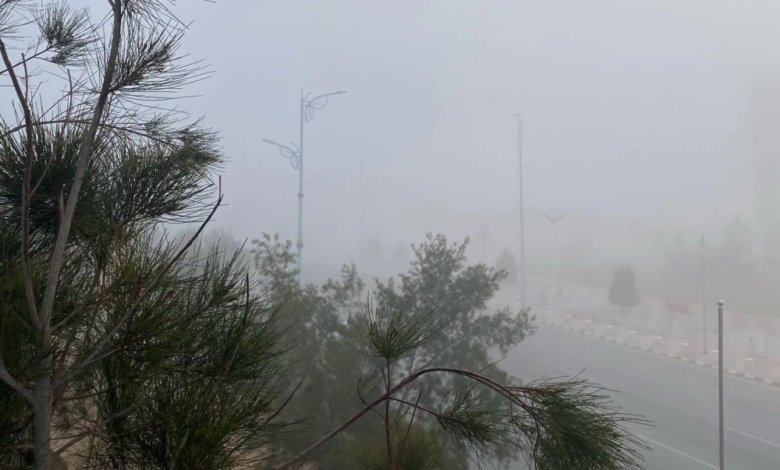
The National Center for Meteorology issued today an important weather alert for the residents and visitors of Al-Qurayyat in the Al-Jawf region, warning of the region being affected by a severe cold wave that will lead to frost formation and a noticeable drop in temperatures, as part of its continuous monitoring of the weather situation in the Kingdom of Saudi Arabia.
The center explained in its detailed report that the expected weather conditions will begin to have direct effects tomorrow, Sunday, with temperatures expected to drop sharply, ranging from 0°C to -3°C. The report indicated that the peak of this weather pattern and the formation of frost will begin – God willing – from 2:00 AM until 8:00 AM on Sunday, necessitating caution.
The geographical and climatic context of the northern regions
This cold wave is part of the typical winter weather patterns in the northern regions of the Kingdom. Al-Qurayyat Governorate, due to its strategic location near the northern border, serves as a gateway for cold, polar air masses originating from the Levant and Europe. Historically, the Al-Jawf region and its governorates experience record-breaking low temperatures during January and February, with residents accustomed to frost that can blanket the landscape in white in the early morning hours.
Expected effects and the importance of the warning
The impact of sub-zero temperatures is not limited to the feeling of cold, but extends to multiple aspects of daily life and the economy in the region:
- Road safety: The formation of frost on highways and secondary roads leads to a risk of skidding, which requires drivers to exercise extreme caution and reduce speeds, especially in the early morning hours.
- The agricultural sector: The Al-Jawf and Al-Qurayyat regions are known for their olive groves and various winter crops. Frost (freezing) is a significant factor that requires farmers to take preventative measures to protect their crops and irrigation systems from damage caused by freezing water.
- Using heating methods: As the cold intensifies, reliance on various heating methods (electric, coal, firewood) increases. This highlights the importance of raising awareness about the dangers of suffocation or fires, and the necessity of following civil defense guidelines to ensure proper ventilation of enclosed spaces.
The National Center of Meteorology calls on everyone to follow the daily reports and early warnings through its official platforms, to learn about the latest weather conditions and avoid direct exposure to cold currents during peak hours, in order to preserve public health and the safety of everyone.