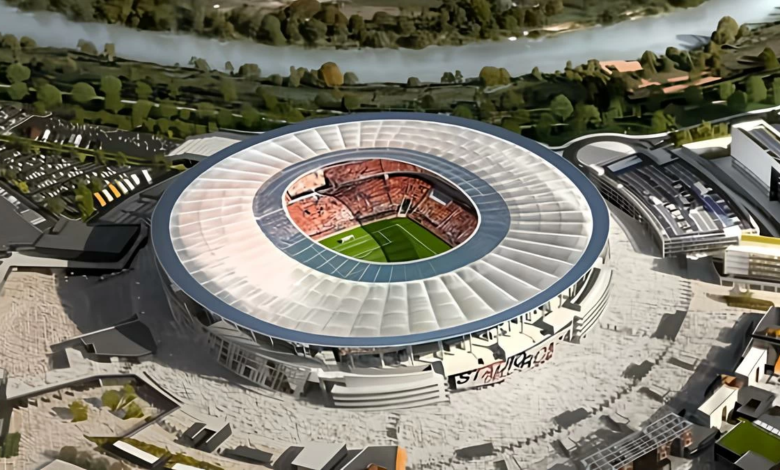

Rome's new stadium: A new dawn for Italian football
In a long-awaited and historic move, the Rome City Council overwhelmingly approved the construction of a new stadium in the Pietralata district (northeast of the capital). This decision, with 39 out of 44 council members voting in favor of the technical and economic feasibility study, represents not only an administrative victory for AS Roma but also a pivotal turning point in the development of Italy's aging sports infrastructure. Construction is expected to begin in the first half of 2027, with the stadium slated to be ready to host matches for the UEFA European Championship (Euro 2032), which Italy will co-host with Turkey.
Historical context: Farewell to the Stadio Olimpico
For decades, the two Rome clubs, Roma and Lazio, shared the historic Stadio Olimpico. Despite its rich history, having hosted major events such as the 1960 Olympics and the 1990 World Cup final, the stadium no longer meets the demands of modern football. The presence of the Olympic track distanced fans from the pitch, diminishing the overall fan experience. Furthermore, the lack of dedicated stadiums deprives clubs of substantial matchday revenue, a crucial element for competing with Europe's top clubs – a model that proved successful in Italy when Juventus opened its own stadium.
Project details: $2 billion investment and global standards
The American Friedkin family, owners of AS Roma, are spearheading this ambitious project, estimated to cost around one billion euros. The new Roma stadium will be designed to accommodate 60,000 spectators, adhering to the highest standards of environmental and technological sustainability. Beyond being a football stadium, the project will also include commercial and entertainment facilities, contributing to the urban and economic revitalization of the Pietralata district and creating thousands of direct and indirect jobs for the city's residents.
UEFA pressures and preparations for Euro 2032
This approval comes at a particularly critical time for Italy. Last May, UEFA President Aleksander Čeferin harshly criticized the state of Italian stadiums, describing them as “shameful.” These remarks served as a wake-up call for local authorities to accelerate infrastructure modernization. With Italy committed to delivering five state-of-the-art stadiums for Euro 2032, the new Rome stadium project has become a pivotal model for other Italian cities struggling with complex bureaucracies that hinder similar projects.
Rival moves: Lazio and Flaminio stadium
Meanwhile, Lazio is not standing idly by. The club's management is pursuing a parallel solution through a plan to renovate the historic, now-abandoned Flaminio stadium. This stadium, which has been out of use since Italy's national rugby team moved to play its home matches, represents an opportunity for Lazio to have its own home ground, reflecting the desire of the two Rome clubs for independence and the establishment of a new phase of economic growth.
Expected impact and next steps
Despite the widespread jubilation following Rome Mayor Roberto Gualtieri's statements confirming a strong majority in favor of the stadium, the project still awaits final administrative approvals at the regional level. Nevertheless, the anticipated impact of this project extends far beyond the capital; it sends a reassuring message to investors that Italy is capable of overcoming its bureaucratic hurdles. The successful construction of Rome's new stadium will reshape the financial landscape of Serie A and bolster Italy's sporting standing on the continental stage.