New bakery requirements in Saudi Arabia: Glass storefronts and strict standards

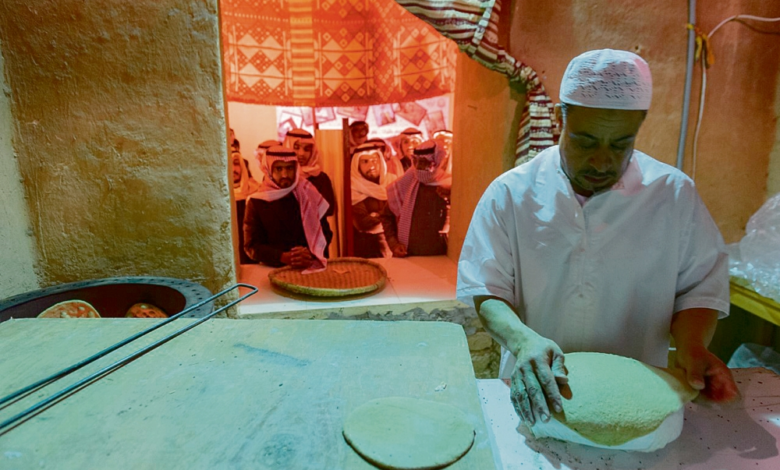
In a regulatory move aimed at transforming the food and retail sector, the Ministry of Municipalities and Housing in Saudi Arabia has adopted updated regulations for bakeries and confectionery shops. This step is part of a comprehensive strategy to raise food safety standards and improve the urban landscape in Saudi cities. The Ministry has granted existing establishments an 18-month grace period from the date of the decision's publication to adjust their operations to comply with the new standards.
Development context and the Kingdom's Vision 2030
These requirements cannot be viewed in isolation from the broader context of the transformations underway in the Kingdom within the framework of Vision 2030, specifically the Quality of Life Program. For years, relevant authorities have been working to combat what is known as "visual pollution," and the facades of shops and bakeries are considered an essential part of the identity of Saudi streets. These regulations aim to unify the urban landscape and ensure that services provided to citizens and residents meet the highest international standards, thereby enhancing the attractiveness of Saudi cities as a welcoming environment for living and investment.
Spatial criteria and interface details
The new regulations provided detailed information regarding spaces and facades, superseding any conflicting previous decisions. Key points included:
- Spaces: The minimum space for semi-automated bakeries is set at 150 square meters (or as per the license), 24 square meters for kiosks in commercial complexes, and 10 square meters for independent kiosks.
- Glass facades: It is mandatory to install facades made of “Securit” glass with a thickness of no less than 12 mm, which allows for a clear view and enhances transparency and cleanliness.
- Preventing visual distortion: Prohibiting the installation of electrical wiring, outdoor air conditioning units, or pipes on the building's facade in a visible manner, to ensure a decent, civilized appearance.
Food and environmental safety requirements
The regulations were not limited to external appearances, but delved into the details of internal operations to ensure consumer health, imposing:
- Thermal control: The temperature inside the facility must not exceed 25 degrees Celsius, with the provision of humidity and temperature measuring devices, and the covering of ventilation openings with metal mesh to prevent the entry of pests.
- Preparation tools: Prohibit the use of wooden boards or knives for cutting meat and poultry to prevent the accumulation of bacteria, and replace them with materials that are easy to clean and sterilize.
- Separation of facilities: It is necessary to completely separate the preparation areas from the toilets, and to provide handwashing facilities that operate with a non-manual mechanism (sensors or foot pedals).
Transparency and consumer rights
To reinforce the consumer's right to information, the regulations require bakeries to display the calorie count for all products and disclose the 14 internationally recognized allergens on their menus. They also emphasize the provision of electronic payment options and the use of QR codes, which allow inspectors and consumers to access official licensing information.
Expected economic and social impact
This regulation is expected to streamline the market, forcing establishments that fail to meet health standards to improve or exit the market, thus opening the door for serious investors and companies that prioritize quality. From a health perspective, these stringent refrigeration and sterilization procedures will significantly reduce incidents of food poisoning. Furthermore, from an urban planning perspective, commercial streets will acquire a more modern and organized character, supporting commercial and tourism activity in Saudi cities.