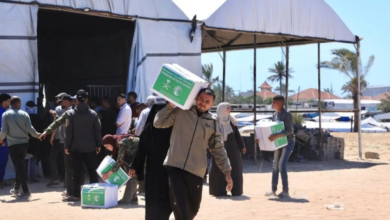

As part of the Kingdom of Saudi Arabia's ongoing humanitarian efforts to support vulnerable populations worldwide, the King Salman Humanitarian Aid and Relief Center continued its relief programs inside Syria. Yesterday, the Center distributed 194 vouchers for winter clothing at the Khirbet al-Jouz center in Idlib Governorate, Syria.
This initiative is part of the 2026 winter clothing distribution project (Kanaf), which benefited 194 individuals from the most vulnerable families. These vouchers aim to empower beneficiaries to purchase winter clothing to protect them from the harsh cold, giving them the freedom to choose what suits their personal and family needs. This enhances the beneficiaries' dignity and ensures greater efficiency in meeting their actual needs.
Winter suffering in northern Syria
This aid is doubly important given the harsh climatic and living conditions faced by residents of northern Syria, particularly in Idlib province. With the arrival of winter, temperatures plummet, exacerbating the suffering of thousands of displaced families living in camps that often lack even the most basic heating and insulation. Winter clothing is a vital necessity at this time of year, no less important than food and medicine, as it helps protect children and the elderly from cold-related illnesses.
The importance of the "Kanaf" project and its advanced mechanism
The "Kanaf" project is one of the innovative projects implemented by the King Salman Humanitarian Aid and Relief Center. It is distinguished by its voucher system, which replaces the direct distribution of clothing in kind with vouchers. This system offers benefits not only financial but also psychological and social support, allowing beneficiary families to shop for and choose clothing in sizes and styles that suit them. This fosters a sense of independence and psychological well-being, moving away from the traditional model of aid distribution.
The Kingdom's leading role in humanitarian work
This relief effort reflects the commitment of the Kingdom of Saudi Arabia, through its humanitarian arm, the King Salman Humanitarian Aid and Relief Center, to stand with the brotherly Syrian people in their ongoing plight. These efforts complement a wide range of projects encompassing food security, shelter, healthcare, and education. Through these on-the-ground initiatives, the Kingdom seeks to bridge the significant humanitarian gap and alleviate the harsh economic and living conditions prevailing in the region, thereby reaffirming its leading role in humanitarian work at both the regional and international levels.