Political parties law in Algeria: The struggle between Islamists and secularists

The Algerian political scene is witnessing a state of turmoil and widespread controversy following the introduction of a new draft law on political parties. This has sparked a wave of sharp disagreements between various political factions, particularly between the Islamist and secular currents. This political activity comes at a sensitive time for the country, as the authorities seek to reorganize the political landscape and regulate the rules of the party game, while the opposition fears that these steps are a prelude to restricting freedoms or excluding certain groups.
Background of the conflict and the history of pluralism in Algeria
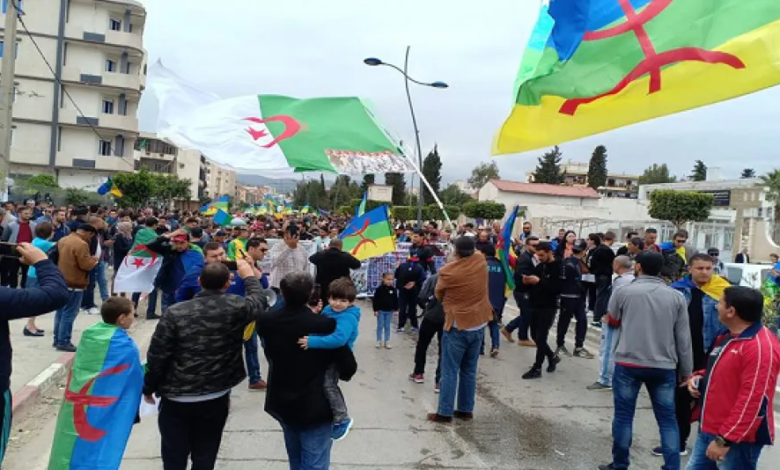
To understand the depth of this current polarization, it is necessary to go back a little, specifically to the 1989 constitution that enshrined political pluralism in Algeria and ended the era of the one-party state. Since then, Algeria has been embroiled in a bitter struggle over the identity of the state and the form of its political system, a struggle that intensified during the Black Decade of the 1990s. Today, following the popular movement that began in February 2019, calls for radical reforms have grown louder. However, the draft laws proposed by the authorities are often met with skepticism by political parties, which see them as attempts to circumvent the demands for genuine change.
Key points of disagreement between Islamists and secularists
The Islamist movement's concerns center on clauses that could be used to restrict religiously-based political activity. They fear a repeat of past scenarios of dissolution or administrative crackdowns under the pretext of protecting the republican character of the state. Conversely, the secular and democratic movement sees the need for strict controls to prevent the exploitation of religion in politics, demanding a law that guarantees the state's civil nature and protects individual freedoms from any ideological dominance. This divergence in visions has turned the draft of the new law into an arena for a renewed ideological battle, with both sides exchanging accusations of seeking to monopolize the political landscape or exclude the other.
Expected effects on the political landscape
The impact of this law is not limited to the theoretical or ideological spheres; it extends to the practical realities of the upcoming elections and the future of party politics in Algeria. Imposing prohibitive conditions for establishing parties or placing restrictions on political alliances could lead to citizen apathy towards political participation and widen the trust gap between the public and official institutions. Furthermore, the continued polarization between Islamists and secularists could weaken the opposition front and dissipate its efforts in demanding genuine democracy, ultimately serving the interests of maintaining the status quo without fundamental change.