Import requirements for coffee seedlings in Saudi Arabia: New regulations from Wakaa

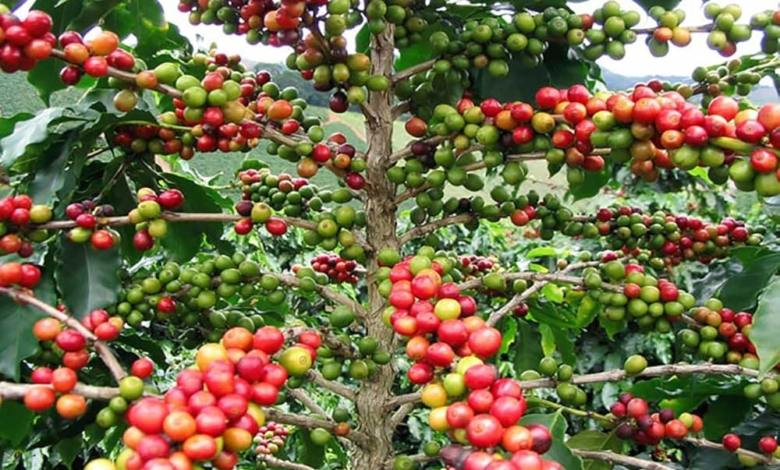
The National Center for Plant Pest and Animal Disease Prevention and Control (Wiqa’) in Saudi Arabia has announced the adoption of a comprehensive set of new requirements and regulations governing the import and trade of coffee seedlings. This strategic step comes as part of the Kingdom’s efforts to enhance biosecurity and protect local plant resources from transboundary threats.
Context of the decision and the importance of the coffee sector in Saudi Arabia
These requirements are particularly important given the agricultural boom the Kingdom is witnessing, especially in the coffee sector, which is a key target of Vision 2030. The southern regions (Jazan, Asir, and Al-Baha) are historically renowned for cultivating high-quality Saudi Khawlani coffee. With the launch of national initiatives to plant millions of trees and support farmers, it has become essential to establish strict preventative measures to stop the introduction of agricultural pests that could destroy this growing agricultural and economic heritage, thus ensuring the sustainability of local production and enhancing its global competitiveness.
Import requirements and licenses
The center clarified that the new regulations require all parties wishing to import to obtain prior authorization and to fully comply with the executive regulations of the GCC Seeds, Seedlings, and Saplings System. The basic requirements include the following:
- Submitting a separate import application for each exporting country individually.
- Attach purchase invoices that clearly state the exact scientific name of the plants.
- The importation of seedlings produced from genetically modified origins is strictly prohibited.
- The ministry reserves the right to immediately suspend import permits in the event of any epidemic outbreak in the country of origin.
strict phytosanitary standards
The requirements focused heavily on health aspects to ensure the seedlings were free of deadly pests. The center stipulated that seedlings must come from areas completely free of the bacterium Xylella fastidiosa, a serious pest that threatens crops globally. The procedures also included:
- A thorough laboratory test is conducted 15 days before shipment.
- The test results must be approved by the National Plant Protection Organization in the exporting country.
- Applying preventative insecticide treatment and placing traps during transport to ensure that insect vectors are not transmitted.
- Attach certificates of origin and phytosanitary certifications, and officially accredit the producing nurseries.
- Provide a data card for each seedling that includes (method of propagation, source of materials, date of grafting, and batch number).
Control measures at entry points and quarantine
Upon arrival at Saudi ports, shipments undergo rigorous inspections, including document checks and the random sampling of 95% of the shipment for laboratory testing. These tests detect a range of diseases and fungi, such as Rhizoctonia solani, Pythium spp., and Fusarium xylarioides, as well as insect vectors.
As a strict precautionary measure, seedlings are subject to close monitoring after entering the Kingdom for two full years, during which the use of grafted or terminal seedlings for propagation is prohibited, and any seedlings showing symptoms of infection are immediately disposed of, in order to ensure that no latent diseases leak into the local agricultural environment.
Organizing local production
The controls weren't limited to imports; they also included regulating production within local farms. The center stipulated that farms be located far from areas threatened by epidemics and that they use soil and water free of pathogens and approved by the relevant authorities. Farmers were also required to register their "pure mother" fields with the Weqaa Center before commencing production, to ensure a clean and safe supply chain that supports the Kingdom's aspirations for self-sufficiency and export.