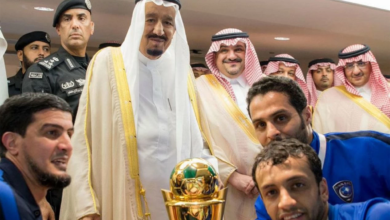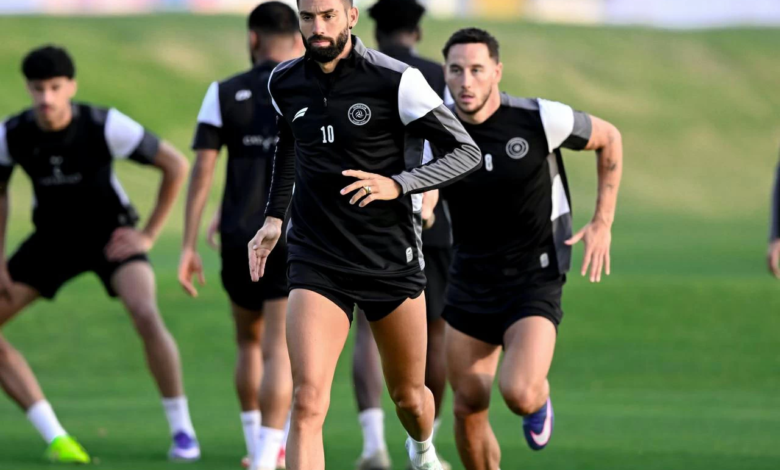

The eyes of Gulf football fans turned yesterday (Sunday) to Doha, which hosted the two semi-final matches of the Gulf Champions League for clubs. The representative of the nation, Al Shabab, met its counterpart, the Iraqi team Zakho, at Khalifa International Stadium at 5:00 pm, while Al Rayyan of Qatar faced Al Qadsia of Kuwait at Ahmed Bin Ali Stadium at 8:00 pm. The winners qualified for the final scheduled for April 23.
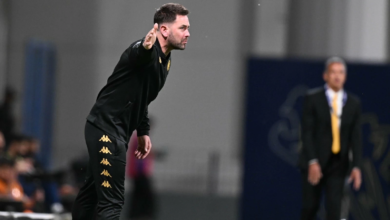
Al-Shabab enters this match after qualifying with difficulty, having finished second in their group with seven points. They gradually regained their balance in the final rounds, confirming their readiness to face a tough test in this crucial stage, especially after signing Algerian coach Noureddine Benzekri, who led the team to positive results in the Saudi Professional League. The team has stars capable of achieving victory in tonight's match and snatching the title, led by team captain Carrasco, top scorer Abderrazak Hamdallah, and goalkeeper Marcelo Grohe. Meanwhile, Zakho enters the match with great confidence after topping their group with 13 points from six matches, delivering strong performances that confirm their ambition to compete for the title and continue the remarkable presence of Iraqi clubs in the tournament.
In the second match, Al Rayyan will rely on home advantage and the support of their fans, along with high morale following their recent Qatar Cup victory and their unbeaten run to top their group with 12 points. The Qatari team aims to continue their positive results and reach the final.
As for Kuwait’s Al-Qadsia, it seeks to capitalize on its experience in the tournament, after securing its place in the semi-finals with 10 points, following a decisive victory in the last round, which gives it a strong boost before facing Al-Rayyan.
Both matches seem open to all possibilities, given the close technical levels and the multiple options available to the four teams, which promises an exciting and competitive Gulf football evening in the search for a ticket to the final.
The two teams:
Youth vs. Zakho
5:00
Khalifa International Stadium
The eyes of Gulf football fans were directed yesterday (Sunday) to Doha, which is hosting the semi-final matches of the Gulf Champions League for clubs. The national representative team, Al-Shabab, faces the Iraqi team Zakho at Khalifa International Stadium at 5:00 PM, while Qatari team Al-Rayan takes on Kuwaiti team Al-Qadsia at Ahmed bin Ali Stadium at 8:00 PM. The winners will qualify for the final scheduled for April 23.
Al-Shabab enters this match after qualifying with difficulty, having secured second place in their group with seven points, after gradually regaining their balance in the last rounds, confirming their readiness for a strong test in this critical stage, especially after hiring Algerian coach Nourredine Ben Zekri, who led the team to achieve positive results in the Saudi Pro League. The team has stars capable of winning tonight's match and seizing the title, led by team captain Carrasco, top scorer Abdulrazak Hamdallah, and goalkeeper Marcelo Grohe. Meanwhile, Zakho enters the match with great confidence after topping their group with 13 points from six matches, showcasing strong performances that affirm their ambition to compete for the title and continue the remarkable presence of Iraqi clubs in the tournament.
In the second match, Al-Rayan relies on the advantages of home ground and fan support, along with high morale after recently winning the Qatar Cup, in addition to topping their group without any losses, accumulating 12 points. The Qatari team aims to continue their positive results and reach the final.
As for Al-Qadsia from Kuwait, they seek to leverage their experience in the tournament after securing their place in the semi-finals with 10 points, following a decisive victory in the last round, which gives them a strong boost before facing Al-Rayan.
Both matches appear to be open to all possibilities, given the close technical levels and the multiple options available to the four teams, promising a Gulf football evening full of excitement and competitiveness in the quest for a ticket to the final.
The teams:
Al-Shabab × Zakho
5:00
Khalifa International Stadium