
Deep anxiety gripped atomic bomb survivors in Japan as the New START treaty, the last legal bulwark against nuclear proliferation between the United States and Russia, expired. The Nihon Hidankyo Foundation, winner of the 2024 Nobel Peace Prize, expressed its fears that the world is slowly sliding toward an irreversible catastrophe.
The collapse of another pillar of nuclear control
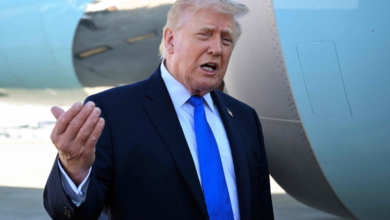
The New START treaty officially expired on Thursday amid a diplomatic stalemate, as US President Donald Trump rejected an offer from his Russian counterpart Vladimir Putin to extend limits on nuclear warheads for another year. Originally signed to reduce strategic arsenals, the treaty was the last remaining safeguard that ensured a degree of transparency and mutual oversight between the world's two largest nuclear powers.
International relations experts point out that the absence of this treaty creates a dangerous security vacuum, as there is no longer a binding ceiling on the number of deployed warheads, which increases the likelihood of military miscalculation in times of escalating geopolitical crises.
Warnings of widespread destruction
In a poignant press conference, Terumi Tanaka, co-chair of the Nihon Hidankyō Foundation and a survivor of the Nagasaki bombing, said, "Given the current situation, I have a terrifying feeling that in the not-too-distant future we will witness a nuclear war, and we will all be headed for destruction." The 93-year-old activist, who has dedicated his life to raising awareness about the dangers of nuclear weapons, added that major powers might view these weapons as symbols of power and prestige, calling this a "grave mistake" that threatens humanity.
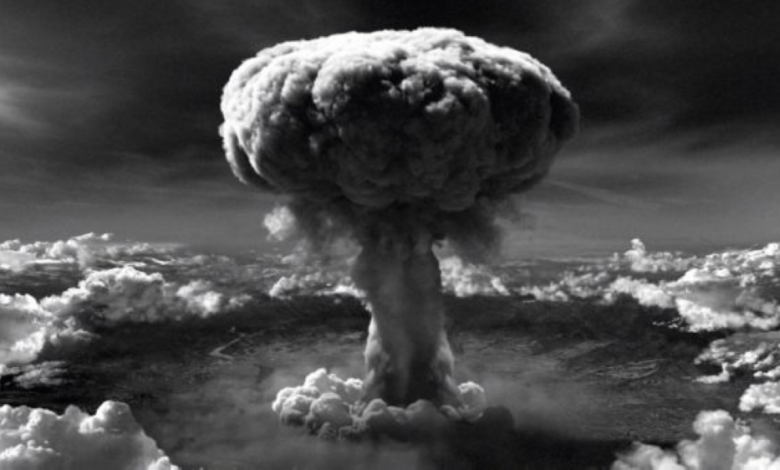
Tanaka and his colleagues' fears are based on a bitter, firsthand experience; the American bombing in August 1945 killed about 140,000 people in Hiroshima and 74,000 in Nagasaki, figures that stand as a testament to the sheer brutality of the nuclear weapon, which has not been used in war since.
The specter of a new arms race
The concerns extend beyond US-Russian relations to encompass the broader global landscape. Observers warn that the collapse of New START could unleash a three-way arms race involving China, which is actively modernizing and expanding its nuclear arsenal. Washington insists that any future agreement must include Beijing, further complicating the negotiating process.
For their part, Japanese activists criticized their government's stance. Hideo Asano, a member of the Japanese Campaign to Abolish Nuclear Weapons, pointed to the lack of effective initiatives from Tokyo to open a genuine dialogue with China or to push for regional arms control. Despite this, the Japanese government, through Assistant Secretary-General Kei Sato, affirmed its commitment to continuing diplomatic efforts and working closely with the United States, Russia, and China on arms control and disarmament, in an attempt to maintain fragile global stability.