
In a significant regulatory step coinciding with the approach of the winter camping season, the National Center for Vegetation Development and Combating Desertification in Saudi Arabia announced the issuance of new regulations for desert campsites. This move comes as part of the Kingdom's ongoing efforts to achieve the goals of the Saudi Green Initiative and Vision 2030, which prioritize environmental protection and the sustainability of natural resources.
The context of the organization and its environmental importance
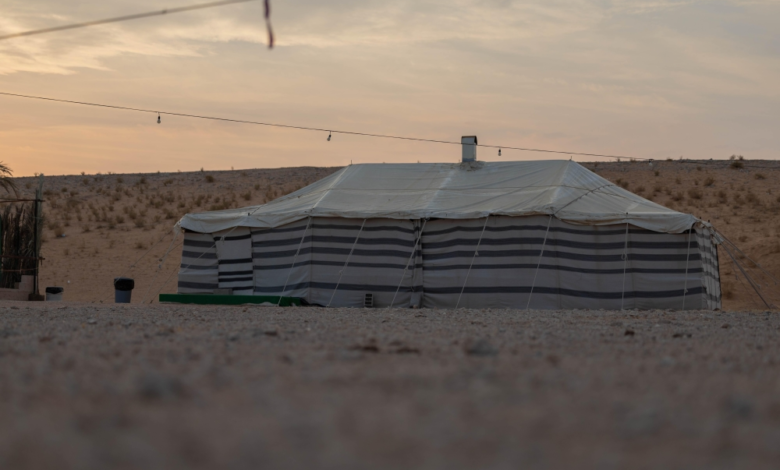
Desert camping, or what is locally known as "kashta," holds a special place in Saudi cultural and social heritage, where families and young people head out to the desert seeking tranquility and recreation. With the increasing popularity of these activities, the urgent need to regulate them has become apparent in order to curb the haphazard practices that, in previous years, led to the degradation of some natural areas and the accumulation of waste.
The new rules aim to create a delicate balance between the community’s right to enjoy nature and the duty to protect vegetation from over-logging, trampling, and soil erosion, thus ensuring the sustainability of these parks for future generations.
Camp classification and permitted areas
The new regulations provided a precise classification of the camps to ensure organizational fairness, dividing them into:
- Non-investment camps: designated for personal and family use, with a maximum area of 2000 square meters per camp.
- Investment camps: These are subject to areas specified by investment contracts and target tourism and commercial activities.
- Government and private sector camps: Their area is determined as needed, with a maximum of 20,000 square meters , and they are used for official events or excavation work.
8 things that cannot be tolerated
The center emphasized a list of prohibitions that could subject the perpetrator to legal accountability and obligatory removal of the harm and payment of compensation. The list included:
- Violating the public decency regulations and the laws in force in the country.
- Cutting down or damaging trees or shrubs in any way.
- Cutting down trees or grazing livestock in places not designated for that purpose.
- Lighting a fire directly on the ground (using local firewood or charcoal) outside the units designated for that purpose.
- Erecting earthen embankments or concrete barriers (only fabric sails with a height not exceeding 3 meters are allowed).
- Using cementitious or asphalt materials that harm the nature of the soil.
- Drilling underground wells or changing the courses of torrents and valleys.
- Using drones for filming without an official permit.
Site requirements and permitting process
The regulations emphasized the need to stay away from valleys and floodplains to ensure the safety of hikers, and to avoid areas of high environmental sensitivity. Those wishing to camp were also required to obtain an electronic permit through the approved platform. Each permit holder is granted one permit for one location per season, with the option of temporary daily outings for 24 hours without a permanent campsite permit, provided they use light equipment.
This regulation aims to enhance the quality of life and protect natural resources, emphasizing that environmental responsibility is a shared responsibility between legislative bodies and members of society.