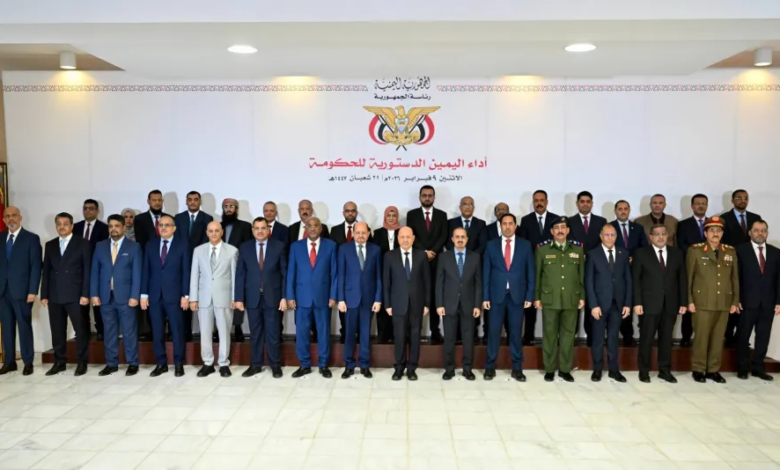

تقف الحكومة اليمنية الجديدة أمام منعطف تاريخي حاسم، حيث لا يقتصر دورها على إدارة الشأن العام في البلاد فحسب، بل يتعداه إلى خوض معركة وجودية تهدف إلى استعادة مؤسسات الدولة، وتطبيع الأوضاع في المناطق المحررة، وإنقاذ الاقتصاد المتداعي. يأتي تشكيل هذه الحكومة في ظل ظروف بالغة التعقيد، مما يضعها أمام اختبار حقيقي لقياس قدرتها على كسب ثقة المواطن اليمني وتحقيق استقرار ملموس على الأرض.
سياق الصراع والخلفية التاريخية
لا يمكن فصل التحديات الحالية عن السياق التاريخي للأزمة اليمنية التي اندلعت شرارتها الكبرى في عام 2014. لقد أدت سنوات الحرب الطويلة إلى تدمير واسع للبنية التحتية، وتمزيق النسيج الاجتماعي، وخلق واحدة من أسوأ الأزمات الإنسانية في العالم وفقاً لتصنيفات الأمم المتحدة. وتأتي الحكومة الجديدة كمحاولة لتوحيد الصفوف ضمن معسكر الشرعية، غالباً استناداً إلى مرجعيات سياسية مثل اتفاق الرياض أو مشاورات مجلس القيادة الرئاسي، بهدف ردم الفجوة بين المكونات السياسية المختلفة وتوجيه البوصلة نحو استعادة الدولة.
الملف الاقتصادي: التحدي الأبرز
لعل العقبة الكأداء التي تواجه الحكومة الجديدة هي الملف الاقتصادي. يعاني الريال اليمني من تذبذب حاد وانهيار مستمر أمام العملات الأجنبية، مما أدى إلى تضخم غير مسبوق في أسعار السلع الأساسية والغذائية. ينتظر الشارع اليمني من الحكومة حلولاً عاجلة لوقف هذا النزيف، وضمان انتظام دفع رواتب موظفي القطاع العام، وتحسين الخدمات الأساسية كالكهرباء والمياه والصحة، التي شهدت تدهوراً مريعاً خلال السنوات الماضية. إن النجاح في هذا الملف هو المفتاح الأساسي لكسب "معركة الثقة" مع المواطنين.
الأمن وتوحيد المؤسسة العسكرية
إلى جانب الاقتصاد، يبرز الملف الأمني كركيزة أساسية للاستقرار. تواجه الحكومة تحدي دمج التشكيلات العسكرية والأمنية المختلفة تحت مظلة وزارتي الدفاع والداخلية، وضبط الأمن في العاصمة المؤقتة عدن والمحافظات المحررة. إن استتباب الأمن ليس ضرورة محلية فحسب، بل هو مطلب إقليمي ودولي لضمان سلامة الملاحة في البحر الأحمر ومضيق باب المندب، ومكافحة التنظيمات الإرهابية التي تحاول استغلال الفراغ الأمني.
الأبعاد الإقليمية والدولية
تحظى الحكومة اليمنية بدعم دولي وإقليمي واسع، لا سيما من دول تحالف دعم الشرعية والمجتمع الدولي، الذين يرون فيها طوق نجاة لانتشال اليمن من مستنقع الفوضى. ومع ذلك، فإن هذا الدعم يظل مرهوناً بمدى جدية الحكومة في تنفيذ الإصلاحات ومحاربة الفساد. إن قدرة الحكومة على استقطاب الدعم المالي والودائع البنكية ستعتمد بشكل كلي على أدائها على الأرض وشفافيتها في إدارة الموارد.
ختاماً، فإن الحكومة اليمنية الجديدة لا تملك ترف الوقت؛ فالشارع يغلي، والاحتياجات تتزايد. إن تجاوز اختبار الثقة والاستقرار يتطلب عملاً دؤوباً، وتوافقاً سياسياً حقيقياً، وقرارات شجاعة تلامس هموم المواطن البسيط وتضع مصلحة اليمن فوق كل اعتبار.