
In a move reflecting the paramount importance of the upcoming match, Senegal Airlines officially announced the arrival of renowned fan Mohamed Salifou Ndiaye in Morocco to support his national team, the "Lions of Teranga," in their crucial semi-final clash against Egypt. This highly anticipated encounter is part of the 2025 Africa Cup of Nations, a tournament featuring fierce competition among the continent's top teams.
Lion No. 13: Widespread fame and controversial memories
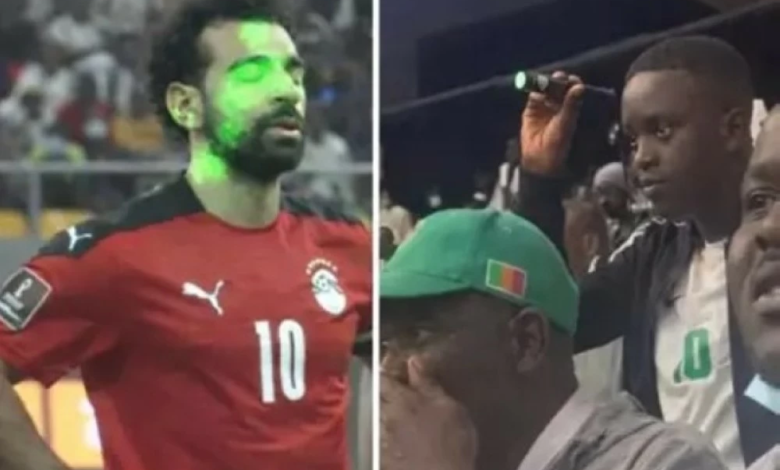
Salifou Ndiaye gained widespread notoriety not only for his unparalleled enthusiasm but also for the considerable controversy he stirred during the decisive second leg of the 2022 World Cup qualifier between Egypt and Senegal in Dakar. In that match, Ndiaye and a group of fans focused on distracting the Egyptian players, particularly captain Mohamed Salah, by shining intense green laser pointers. This tactic noticeably affected the players' concentration during the penalty shootout, which ultimately saw Senegal advance and Egypt's World Cup dream shattered.
Adherence to the rules and prevention of repeated violations
The official account of Air Senegal, via its X platform, clarified the nature of Ndiaye's trip this time. It confirmed that the fan nicknamed "The Lion" or "Member Number 13" (complementing the 11 players and coach Pape Thiaw) had arrived in Tangier, Morocco, with the intention of providing exemplary support. The company's statement emphasized its full commitment to the tournament's regulations, implicitly reassuring everyone that the internationally banned use of laser pointers would not be repeated in Moroccan stadiums, in accordance with the Confederation of African Football (CAF) regulations.
A history of football rivalry and unresolved vendettas
This match takes on dimensions that transcend that of a mere continental semi-final; it represents a new chapter in the ongoing football rivalry between the two national teams in recent years. Egyptian fans still bitterly remember their loss in the 2021 Africa Cup of Nations final in Cameroon to Senegal on penalties, followed by their failure to qualify for the 2022 Qatar World Cup against the same opponent and in the same manner. Therefore, the Pharaohs enter the match with the motto of "revenge" and breaking the Senegalese jinx that has plagued them in crucial stages recently.
A tough journey towards the golden square
Neither team had an easy path to this stage. Egypt secured their place after a thrilling 3-2 victory over Ivory Coast in the quarterfinals, displaying the character of champions. Meanwhile, Senegal continued their campaign to defend their continental prestige with a hard-fought 1-0 win over Mali, setting up a highly anticipated clash with the Pharaohs in an African classic that the world awaits.