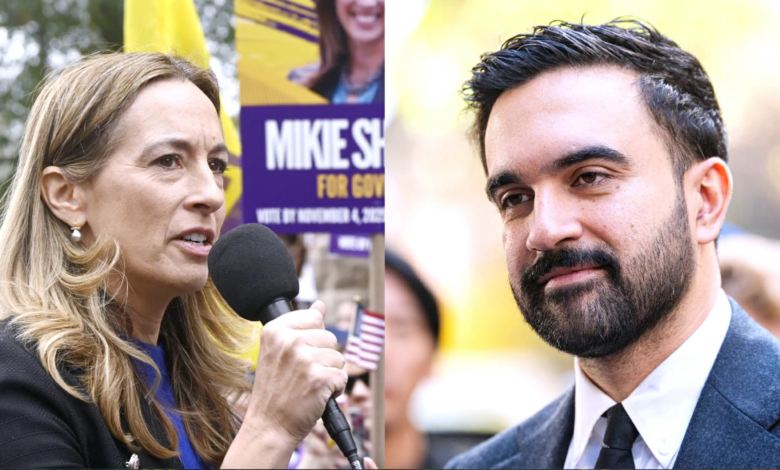

اندلعت حرب تصريحات بين مسؤولي ولايتي نيويورك ونيوجيرسي، مما أشعل جدلاً واسعاً حول هوية المستضيف الفعلي لنهائي بطولة كأس العالم 2026. فمع اقتراب الحدث الكروي الأضخم، تحول التنافس على نيل شرف استضافة المباراة النهائية بين عمدة نيويورك المنتخب زهران ممداني، وحاكمة نيوجيرسي المنتخبة ميكي شيريل، إلى مواجهة إعلامية مباشرة، حيث يتباهى كل طرف بأحقية ولايته في الظفر باللقب التنظيمي الأبرز، مما يعكس الأهمية الاقتصادية والمعنوية الهائلة لهذا الحدث العالمي.
تعود جذور هذا الحدث إلى فوز الملف المشترك لأمريكا وكندا والمكسيك بحق تنظيم المونديال، في نسخة تاريخية هي الأولى التي ستشهد مشاركة 48 منتخباً. هذا التوسع الكبير يضع ضغوطاً لوجستية ومالية هائلة على المدن المستضيفة، ولكنه في المقابل يَعِد بعوائد اقتصادية غير مسبوقة. وفي هذا السياق، تم اختيار ملعب “ميتلايف” في إيست روثرفورد بولاية نيوجيرسي لاستضافة المباراة النهائية، إلا أن العرض الرسمي قُدّم تحت اسم “نيويورك/نيوجيرسي”، مما فتح الباب أمام هذا الصراع حول هوية المضيف الحقيقي وجاذبيته للرعاة والجماهير العالمية.
صراع الهوية: من يستضيف نهائي كأس العالم 2026؟
في قلب الخلاف، تكمن حجة كل طرف؛ فمن جانبها، صرحت حاكمة نيوجيرسي ميكي شيريل بلهجة حاسمة: “مع كامل الاحترام لممداني، ربما لا يعرف أين ستقام المباريات، لأنها ستقام في نيوجيرسي”. وتعمل إدارتها بجد منذ توليها المنصب على تحويل جزء كبير من تكاليف الاستضافة الباهظة من دافعي الضرائب المحليين إلى الزوار والمشجعين، سواء القادمين من الخارج أو من مدينة نيويورك نفسها. وتنظر نيوجيرسي إلى استضافة النهائي كفرصة لتعزيز مكانتها على الخريطة العالمية بعيداً عن ظل جارتها الشهيرة.
على الجانب الآخر، يرى مسؤولو نيويورك أن المدينة هي عامل الجذب الحقيقي والوجهة التي يقصدها العالم، وأن الملعب لا يبعد سوى أميال قليلة عن قلب مانهاتن النابض بالحياة. وقد أكدت حاكمة نيويورك كاثي هوشول هذا المفهوم بقولها: “نيويورك ليست مجرد مدينة تستضيف كأس العالم، بل نيويورك هي كأس العالم”. ويستندون في حجتهم إلى أن البنية التحتية السياحية والفندقية والترفيهية في نيويورك هي التي ستخدم غالبية الجماهير، وأن العلامة التجارية للمدينة هي الأقوى عالمياً.
الأبعاد الاقتصادية واللوجستية للمعركة
كشف مسؤول مطلع في حكومة نيوجيرسي أن الإدارة الحالية لم تكن راضية عن الاتفاقيات الموروثة من الحاكم السابق فيل مورفي، خاصة أن نيويورك لا تتحمل أي مساهمة تذكر في تكاليف النقل الضخمة المتوقعة. وفي محاولة لتغطية هذه النفقات، أعلنت نيوجيرسي عن حزمة إجراءات مثيرة للجدل، تشمل زيادة ضريبة المبيعات بنسبة 3% في منطقة ميدولاندز طوال فترة البطولة، وفرض رسوم إضافية على الفنادق بنسبة 2.5%، وإضافة 50 سنتاً على كل رحلة لخدمات النقل التشاركي، ورفع أسعار الحافلات الخاصة بالمباريات. كما سيتم تقييد استخدام القطارات القادمة من محطة بنسلفانيا في نيويورك لتقتصر على حاملي تذاكر المباريات فقط قبل أربع ساعات من انطلاقها لتخفيف الازدحام. هذه الإجراءات تعكس العبء المالي الكبير الذي تتحمله نيوجيرسي وحدها في سبيل إنجاح الحدث.