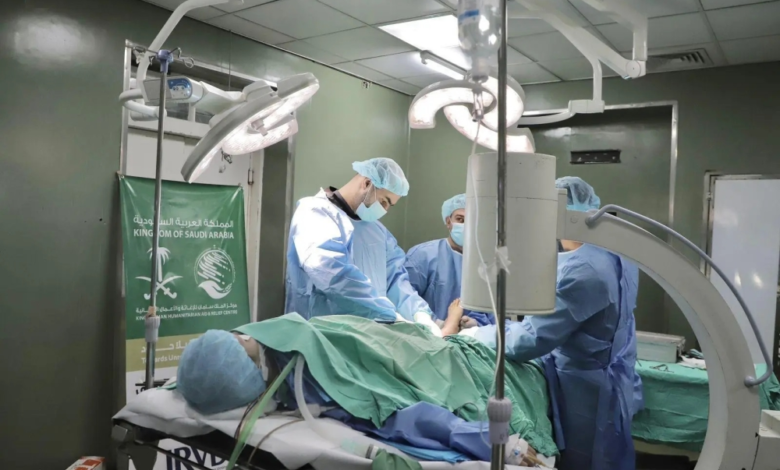

في إطار الجهود الإنسانية المستمرة التي تبذلها المملكة العربية السعودية لدعم الشعب الفلسطيني الشقيق، حقق الفريق الطبي التطوعي التابع لمركز الملك سلمان للإغاثة والأعمال الإنسانية إنجازاً طبياً جديداً في قطاع غزة. حيث تمكن الفريق من إجراء 50 عملية جراحية متخصصة في جراحة العظام تكللت جميعها بالنجاح التام، بالإضافة إلى تقديم خدمات الكشف الطبي والاستشارات العلاجية لـ 200 مريض، وذلك ضمن المشروع الطبي التطوعي الذي استضافه المستشفى الأهلي العربي في القطاع خلال الفترة الممتدة من 5 وحتى 31 ديسمبر الحالي.
ويكتسب هذا المشروع أهمية بالغة نظراً للظروف الصحية الصعبة التي يعاني منها قطاع غزة، حيث يواجه القطاع الصحي تحديات جمة تتمثل في نقص المستلزمات الطبية والكوادر المتخصصة في الجراحات الدقيقة. ويأتي تدخل مركز الملك سلمان للإغاثة عبر هذا المشروع النوعي ليساهم في تخفيف قوائم الانتظار الطويلة للمرضى الذين يحتاجون لتدخلات جراحية عاجلة في مجال العظام، مما ينعكس إيجاباً على جودة حياتهم وقدرتهم على ممارسة حياتهم اليومية بشكل طبيعي، لا سيما في ظل ارتفاع معدلات الإصابات والحاجة الماسة لهذا النوع من التخصصات الطبية.
ويعد هذا المشروع امتداداً لسلسلة طويلة من المبادرات الإنسانية التي تقدمها المملكة العربية السعودية عبر ذراعها الإنساني “مركز الملك سلمان للإغاثة”، والذي دأب منذ تأسيسه على مد يد العون للمحتاجين في مختلف دول العالم، مع إيلاء اهتمام خاص للقضية الفلسطينية. وتعكس هذه الحملات الطبية التطوعية التزام المملكة الراسخ بدعم صمود الشعب الفلسطيني، ليس فقط من خلال المساعدات الغذائية والإيوائية، بل عبر تقديم حلول طبية مستدامة وعلاجات نوعية بأيدي كفاءات طبية سعودية متطوعة.
وعلى الصعيد الإقليمي، تبرز هذه المبادرة الدور الريادي للمملكة العربية السعودية في العمل الإنساني الدولي، حيث لا تقتصر المساعدات على الدعم المادي فحسب، بل تتعداها إلى نقل الخبرات الطبية وإجراء العمليات المعقدة في مناطق الاحتياج. وتساهم هذه الجهود في تعزيز الروابط الأخوية بين الشعبين السعودي والفلسطيني، وتؤكد على أن البعد الإنساني يظل ركيزة أساسية في السياسة الخارجية للمملكة، التي تسعى دائماً لتخفيف المعاناة البشرية في مناطق النزاع والأزمات.
ختاماً، يمثل نجاح إجراء 50 عملية جراحية في وقت قياسي دليلاً على كفاءة الفريق الطبي التطوعي وجاهزية مركز الملك سلمان للإغاثة للتعامل مع التحديات الميدانية، مؤكداً استمرار المركز في تنفيذ خططه الطموحة للوصول إلى الفئات الأكثر احتياجاً، وتقديم الرعاية الصحية المتكاملة للأسر ذوي الدخل المحدود والمرضى الذين تحول ظروفهم المادية دون الحصول على العلاج اللازم.