
شهدت ولاية كادونا في شمال نيجيريا موجة جديدة من العنف الدامي، حيث أقدمت جماعات مسلحة على اختطاف ما لا يقل عن 51 شخصاً وقتل ثلاثة آخرين في سلسلة هجمات منسقة استهدفت أربع قرى تقطنها غالبية مسيحية. وتأتي هذه الحادثة لتسلط الضوء مجدداً على التدهور الأمني الخطير في الدولة الأكثر اكتظاظاً بالسكان في القارة الإفريقية.
تفاصيل الهجمات واستهداف الرموز الدينية
أفادت مصادر أمنية وشهود عيان أن الهجمات استمرت على مدار ثلاثة أيام، مستهدفة المدنيين العزل ورجال الدين على حد سواء، مما يعكس الطبيعة العشوائية والوحشية لهذه الاعتداءات. ففي منطقة "كاركو"، اختطف المسلحون 11 شخصاً، كان من بينهم الكاهن الكاثوليكي ناثانيال أسواي. وفي هجوم متزامن تقريباً في منطقة "كاسوار ماجاني" التابعة لمقاطعة كاجورو، قُتل ثلاثة أشخاص واختُطف 38 آخرون، بينهم إمام مسجد محلي، مما يؤكد أن رصاص المسلحين لا يفرق بين المسلمين والمسيحيين في هذه المناطق المضطربة.
اقتصاد الاختطاف: صناعة الجريمة المنظمة
لم تعد عمليات الخطف في نيجيريا مجرد حوادث متفرقة، بل تحولت إلى ما يشبه "الصناعة المنظمة" التي تدر ملايين الدولارات على العصابات الإجرامية. ووفقاً لتقرير صادر عن شركة الاستشارات "إس بي إم إنتلجنس" (SBM Intelligence) ومقرها لاغوس، فقد حقق الخاطفون عائدات ضخمة تقدر بنحو 1.66 مليون دولار خلال الفترة الممتدة بين يوليو 2024 ويونيو 2025. هذا التحول نحو الجريمة الاقتصادية جعل من المواطنين سلعة للمساومة، حيث يتم طلب فدية مالية كبيرة مقابل الإفراج عنهم، مما يثقل كاهل العائلات الفقيرة ويدمر الاقتصاد المحلي.
السياق الأمني والخلفية التاريخية
تعاني نيجيريا منذ سنوات من تحديات أمنية معقدة، تتراوح بين تمرد الجماعات الجهادية مثل "بوكو حرام" في الشمال الشرقي، وبين عصابات "قطاع الطرق" المسلحة التي تنشط في الشمال الغربي والوسط. وتعد ولاية كادونا بؤرة ساخنة لهذا الصراع نظراً لموقعها الجغرافي وتنوعها العرقي والديني. وقد أدت هذه الهجمات المتكررة إلى نزوح الآلاف من القرويين، وتعطيل الأنشطة الزراعية والتجارية، مما يهدد الأمن الغذائي في المنطقة.
ردود الفعل والأبعاد الدولية
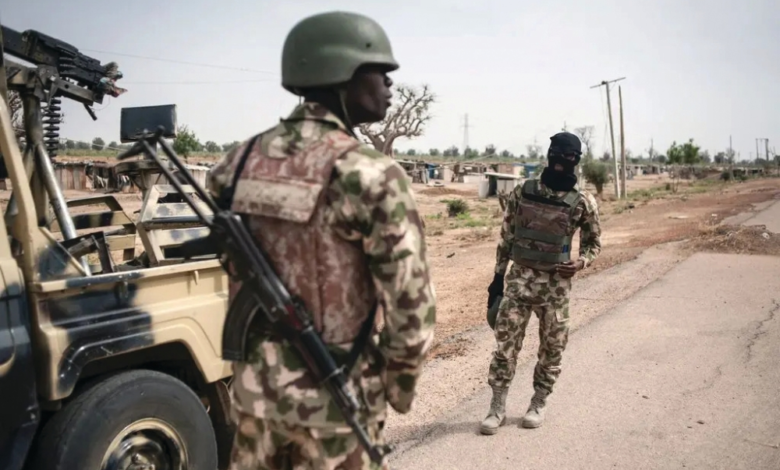
أثارت هذه الموجة من العنف انتقادات دولية واسعة لعجز السلطات النيجيرية عن بسط سيطرتها وحماية مواطنيها. وقد سبق للولايات المتحدة أن أعربت عن قلقها، حيث ندد الرئيس الأمريكي دونالد ترامب بما وصفه باضطهاد المسيحيين، رغم أن الوقائع على الأرض تشير إلى أن العنف يطال جميع مكونات المجتمع النيجيري. وفي محاولة لاحتواء الموقف، أعلن الرئيس النيجيري حالة الطوارئ وأطلق حملة تجنيد واسعة لمكافحة انعدام الأمن، إلا أن التحديات اللوجستية واتساع رقعة المناطق النائية لا تزال تشكل عقبة أمام القوات الأمنية.