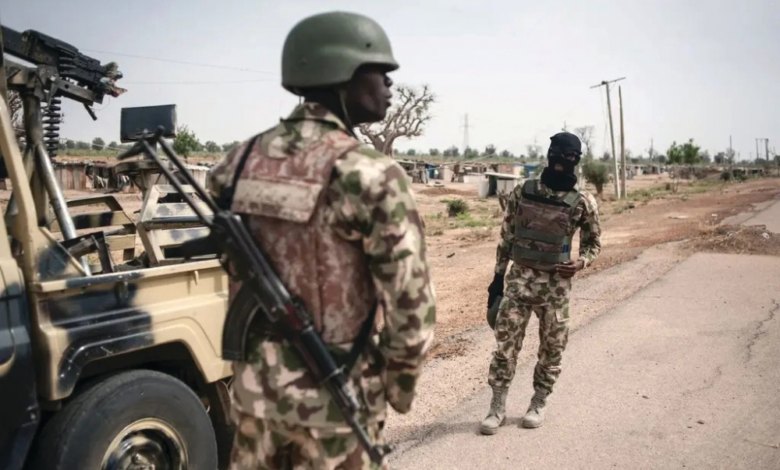

في ضربة جديدة للجماعات المسلحة، أعلن الجيش النيجيري عن نجاح عملية أمنية نوعية أسفرت عن مقتل خمسة مسلحين وتحرير 31 رهينة كانوا محتجزين في ولايتي زامفارا وكاتسينا شمالي البلاد. وتأتي هذه العملية ضمن الجهود المتواصلة التي تبذلها القوات المسلحة النيجيرية لاستعادة الأمن والاستقرار في المناطق التي تعاني من نشاط العصابات الإجرامية وعمليات الخطف المتكررة.
جهود متواصلة لاستعادة الاستقرار
أوضح بيان صادر عن قيادة الجيش أن القوات نفذت عمليات ميدانية دقيقة استهدفت معاقل ومخابئ تابعة للعصابات المسلحة في مناطق متفرقة من الولايتين. وأسفرت المداهمات عن اشتباكات مباشرة أدت إلى تحييد العناصر المسلحة وتحرير الرهائن دون وقوع إصابات في صفوف القوات أو المدنيين المحررين. وأشار البيان إلى أن هذه الحملة تأتي في إطار استراتيجية أوسع لملاحقة الجماعات المسلحة وتجفيف منابع دعمها اللوجستي، حيث تم ضبط عدد من الدراجات النارية التي يستخدمها المسلحون في تنقلاتهم وهجماتهم، بالإضافة إلى مصادرة كميات من الذخائر والأسلحة.
تحدي العصابات المسلحة: خلفية الصراع في شمال نيجيريا
تعاني مناطق شمال غرب ووسط نيجيريا منذ سنوات من أعمال عنف واسعة النطاق ترتكبها عصابات إجرامية يُطلق عليها محليًا اسم “قطاع الطرق” (Bandits). وقد تطورت هذه الظاهرة من مجرد نزاعات بين المزارعين والرعاة حول الموارد الطبيعية إلى شبكات جريمة منظمة متطورة تنشط في عمليات الخطف الجماعي للحصول على فدية، وسرقة الماشية، وشن هجمات دموية على القرى لنهبها وترويع سكانها. وتعتبر ولايات مثل زامفارا، وكاتسينا، وكادونا، والنيجر بؤرًا رئيسية لهذا التحدي الأمني، الذي دفع الحكومة إلى تصنيف هذه الجماعات كمنظمات إرهابية لمنح الجيش صلاحيات أوسع لمواجهتها.
أثر عمليات الجيش النيجيري على الأمن الإقليمي
تحمل كل عملية ناجحة ينفذها الجيش النيجيري أهمية تتجاوز حدودها المحلية، حيث تساهم في تعزيز ثقة المواطنين في مؤسسات الدولة وقدرتها على حمايتهم. على الصعيد المحلي، يمثل تحرير الرهائن وعودتهم إلى عائلاتهم بارقة أمل للمجتمعات التي تعيش في خوف دائم. أما على المستوى الإقليمي، فإن استمرار الضغط العسكري على هذه العصابات يحد من قدرتها على التوسع ويهدد استقرار دول الجوار في منطقة الساحل. وتراقب الأوساط الدولية الوضع الأمني في نيجيريا عن كثب، باعتبارها أكبر دولة في إفريقيا من حيث عدد السكان وقوة اقتصادية مؤثرة، ويمثل نجاحها في كبح جماح العنف خطوة إيجابية نحو تحقيق الاستقرار في غرب إفريقيا.