
انطلاق المرحلة الثانية من أولمبياد “نسمو”
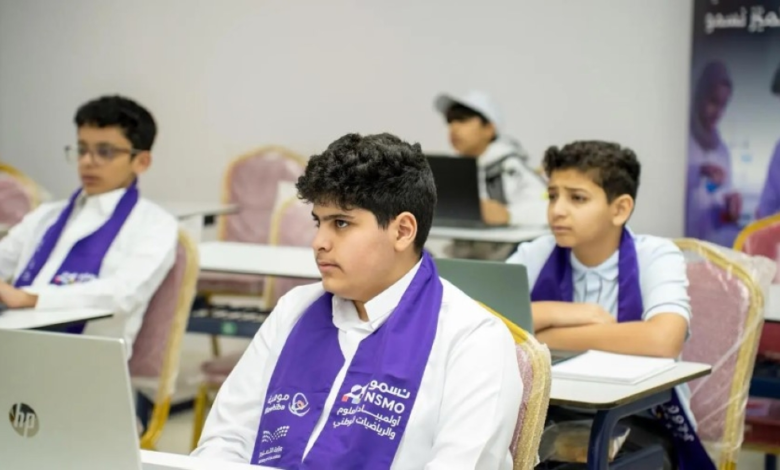
انطلقت اليوم فعاليات المرحلة الثانية من أولمبياد العلوم والرياضيات الوطني “نسمو”، والذي يُعد الحدث العلمي الأبرز على مستوى المملكة العربية السعودية. يأتي هذا الأولمبياد بتنظيم من مؤسسة الملك عبدالعزيز ورجاله للموهبة والإبداع “موهبة”، وبالشراكة الإستراتيجية الفاعلة مع وزارة التعليم. وتستمر هذه المرحلة خلال الفترة من 4 حتى 9 أبريل الجاري، بمشاركة واسعة تضم 19,489 طالباً وطالبة يمثلون نخبة العقول الشابة من مختلف مناطق المملكة.
السياق العام والخلفية التاريخية
ينسجم أولمبياد “نسمو” بشكل وثيق مع مستهدفات رؤية السعودية 2030، وتحديداً برنامج تنمية القدرات البشرية، الذي يسعى إلى إعداد مواطن منافس عالمياً. وتاريخياً، أثبتت مؤسسة “موهبة” ريادتها في اكتشاف ورعاية الموهوبين، حيث ساهمت برامجها المتنوعة في تحقيق المملكة لمئات الميداليات والجوائز في الأولمبيادات العلمية الدولية على مدار السنوات الماضية. ويُعد “نسمو” امتداداً لهذا الإرث، حيث يمثل أول وأكبر مسابقة وطنية سنوية متخصصة تستهدف طلبة الصف الأول المتوسط حتى الصف الأول الثانوي، لتبني قاعدة صلبة من الموهوبين والمبدعين.
برامج تدريبية مكثفة وتوزيع دقيق
تتميز المرحلة الثانية بتنفيذ برامج تدريبية مكثفة وعالية المستوى في 47 مدينة ومحافظة. ويشرف على هذا التدريب 778 معلماً ومعلمة تم إعدادهم وتأهيلهم مسبقاً وفق أحدث المنهجيات العلمية. يمتد التدريب لخمسة أيام بواقع ست ساعات يومياً، بهدف صقل مهارات الطلبة وتأهيلهم للمنافسات المتقدمة.
وقد أوضحت “موهبة” أن الطلبة المتأهلين يمثلون 16 منطقة تعليمية، بالإضافة إلى الإدارتين العامتين للتعليم بالهيئة الملكية في الجبيل وينبع. ويتوزع المشاركون على ستة تخصصات علمية دقيقة كالتالي:
- الرياضيات: 5,830 طالباً وطالبة.
- المعلوماتية: 5,057 طالباً وطالبة.
- الأحياء: 2,220 طالباً وطالبة.
- الفيزياء: 2,218 طالباً وطالبة.
- العلوم: 2,102 طالب وطالبة.
- الكيمياء: 2,061 طالباً وطالبة.
أهمية الحدث وتأثيره المتوقع
على الصعيد المحلي، يساهم الأولمبياد في توطين التدريب المتقدم داخل إدارات التعليم، وتطوير أداء المعلمين، وإثراء المناهج الدراسية بمسائل تنمي مهارات التفكير العليا. أما إقليمياً ودولياً، فإن هذا الحدث يضمن استدامة الحضور السعودي القوي في المحافل العلمية العالمية، ويعزز من تصنيف المملكة في مؤشرات جودة التعليم والابتكار، مما يمهد الطريق لبناء اقتصاد وطني قائم على المعرفة.
الطريق نحو تمثيل الوطن عالمياً
تُختتم المرحلة الثانية باختبار مسابقة الإدارات العامة يوم الخميس 9 أبريل، والذي يُعقد حضورياً في مقار الإدارات العامة للتعليم. وبناءً على نتائج هذا الاختبار الدقيق، ستعمل كل إدارة تعليم على تشكيل فريقها الأولي من الطلبة المتميزين، استعداداً لخوض غمار المرحلة الثالثة. وتتضمن المرحلة القادمة تدريب الإدارات واختبارات الفرق الوطنية، وصولاً إلى نهائيات الأولمبياد في العاصمة الرياض، تمهيداً لاختيار من سيمثل المملكة في الأولمبيادات العلمية الدولية ورفع راية الوطن عالياً.