
Tightening regulatory procedures to ensure the safety of pilgrims
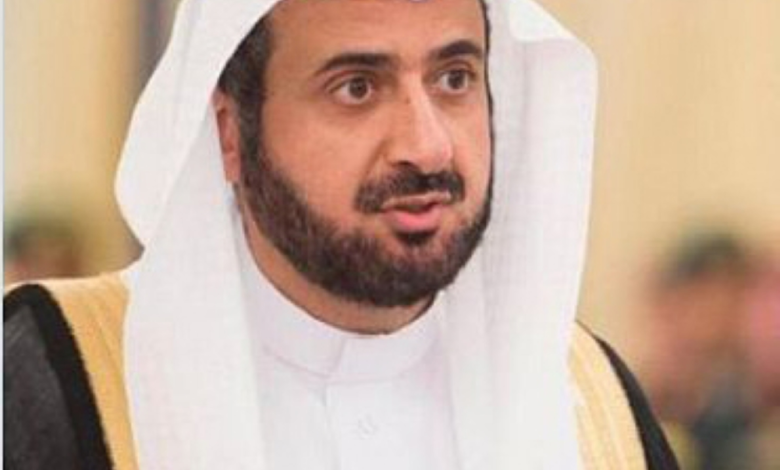
The Ministry of Hajj and Umrah in the Kingdom of Saudi Arabia, headed by His Excellency Minister Dr. Tawfiq bin Fawzan Al-Rabiah, held its seventeenth periodic meeting with Saudi Umrah companies via video conference. This strategic meeting was held on the occasion of the conclusion of the Umrah season, and highlighted the importance of adhering to regulations and laws to ensure the safety and comfort of pilgrims, as well as evaluating the season's results to identify key successes and challenges.
Historical context and ongoing efforts to serve pilgrims
Throughout history, the Kingdom of Saudi Arabia has placed great importance and meticulous care on organizing the Hajj and Umrah pilgrimages, considering it both an honor and a great responsibility. With the launch of Vision 2030, the Hajj and Umrah system has undergone radical transformations aimed at facilitating the hosting of more pilgrims and providing high-quality services. Digital platforms, such as the “Nusk” platform, have emerged as vital tools to streamline procedures, reflecting the historical evolution from traditional management to smart crowd management, ensuring a safe and accessible spiritual experience.
A valid visa is a prerequisite for performing Hajj rituals
In a decisive and clear message, Dr. Tawfiq Al-Rabiah emphasized the regulations governing the Hajj season, categorically stating that Hajj is only permitted with a valid Hajj visa. He warned against attempts to perform Hajj using an Umrah visa or any other type of visa. This emphasis reflects the leadership's commitment to managing crowds, preventing overcrowding, and ensuring that every pilgrim receives their full rights to healthcare, security, and logistical support, thus preventing any violations that could compromise the safety of pilgrims.
Important organizational dates for the Umrah season
The meeting addressed the precise organizational timelines for concluding the Umrah season and preparing for the Hajj season. It was announced that the last date for issuing Umrah visas is the first of Shawwal, while the last date for pilgrims to enter the Kingdom is the fifteenth of Shawwal. The first of Dhu al-Qi'dah was set as the last date for pilgrims to depart and remain in the Kingdom, allowing the relevant authorities to prepare Makkah and the holy sites to receive the pilgrims of the Sacred House of God.
Evaluating the Umrah season and the role of companies
The Minister began the meeting by commending the significant efforts made by Umrah companies, particularly during the peak season in the holy month of Ramadan. He praised the fruitful cooperation that contributed to addressing the situations of stranded pilgrims and facilitating their return to their home countries. He also emphasized the importance of continuously updating departure data via the “Nusk Masar” platform and adhering to the established schedules for transporting pilgrims to airports to avoid any overcrowding.
Expected impact and Umrah and visit forum
At the local, regional, and international levels, these rigorous and well-organized measures contribute to strengthening the Kingdom's position as a safe and reliable destination for millions of Muslims. To further enhance these partnerships, the Minister invited companies to actively participate in the third edition of the Umrah and Visit Forum. This forum serves as a vital international platform for exchanging expertise, showcasing investment opportunities, and fostering strategic partnerships that elevate the services provided to pilgrims, thus contributing to the goals of Vision 2030 in enriching the experience of Umrah and visitor pilgrims.