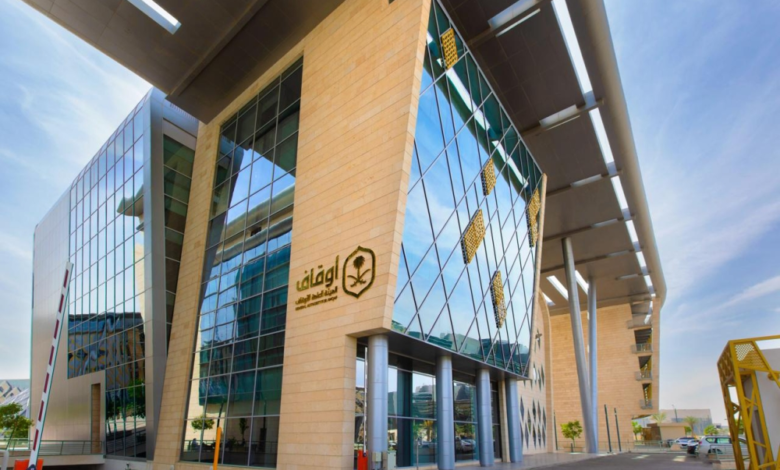

أكدت الهيئة العامة للأوقاف في المملكة العربية السعودية بشكل قاطع أن تأسيس الأصول الوقفية بهدف التحايل على الدائنين لا يحظى بأي حماية قانونية. ويأتي هذا التوضيح ليسد ثغرة قد يستغلها البعض، حيث يُعد الوقف بقصد التهرب من سداد الديون ممارسة تضر بالاستقرار المالي وتنتهك المبادئ الأساسية للعدالة. وشددت الهيئة على أن للدائنين كامل الحق في اللجوء إلى القضاء للمطالبة بإبطال مثل هذا الوقف، وذلك لضمان حقوقهم المالية ومنع أي شكل من أشكال التحايل على الأنظمة المعمول بها في المملكة.
الوقف: رسالة سامية في مواجهة الاستغلال غير المشروع
يُعتبر نظام الوقف تاريخياً أحد أهم الركائز الحضارية في العالم الإسلامي، حيث كان له دور محوري في تمويل المشاريع الخيرية والتنموية، من بناء المستشفيات والمدارس إلى دعم الفقراء والمحتاجين. وفي إطار رؤية المملكة 2030، تسعى الهيئة العامة للأوقاف إلى تعزيز هذا الدور التنموي، وتطوير القطاع الوقفي ليكون مساهماً فاعلاً في الاقتصاد الوطني. إلا أن هذه الأهداف النبيلة قد تواجه تحديات تتمثل في محاولة البعض استغلال هذا النظام الشرعي لأغراض شخصية غير مشروعة، مثل إخفاء الأموال أو التهرب من الالتزامات المالية. ومن هنا، يأتي دور الهيئة في وضع ضوابط واضحة تضمن بقاء الوقف أداة للبناء والعطاء، لا وسيلة للإضرار بحقوق الآخرين.
الإطار القانوني لحماية الدائنين من الوقف بقصد التهرب من سداد الديون
أوضحت الهيئة أن الوقف الذي يثبت تأسيسه بنية الإضرار بالدائنين لا يُعتد به نظاماً ولا يتمتع بالحصانة ضد الإلغاء. وأشارت إلى أن للدائنين الحق في المطالبة بإبطال الوقف قضائياً إذا أقدم المدين على وقف جميع أمواله في وقت تتجاوز فيه ديونه قيمة أصوله الفعلية. هذا الإجراء التنظيمي يخضع بالكامل لتقدير المحكمة المختصة، التي تتولى فحص الأدلة والقرائن لتحديد ما إذا كان هناك قصد مبيت للإضرار بالدائنين أو التحايل على الأنظمة، مثل نظام الإفلاس. وتدرس المحاكم هذه الحالات بعناية، سواء قبل قيد دعوى الإعسار أو بعد افتتاح إجراءات الإفلاس، مؤكدةً أن حماية الحقوق المالية للدائنين مبدأ أساسي لا يمكن التهاون فيه عند تقييم صحة التصرفات المالية للمدين.
تعزيز الثقة في البيئة الاستثمارية والقضائية
يمثل هذا التوجه القانوني الصارم خطوة هامة نحو تعزيز الشفافية والنزاهة في البيئة الاقتصادية السعودية. فعندما يطمئن الدائنون والمستثمرون إلى وجود إطار قضائي فعال يحمي حقوقهم ويمنع التحايل، تزداد الثقة في السوق المحلي، مما يشجع على ضخ المزيد من الاستثمارات ويدعم استقرار المعاملات التجارية. إن حماية حقوق الدائنين لا تقتصر على كونها مسألة قانونية فردية، بل هي جزء لا يتجزأ من منظومة الحوكمة الرشيدة التي تسعى المملكة لترسيخها، والتي تضمن تحقيق العدالة الاقتصادية وتكافؤ الفرص، وتؤكد على أن الأدوات الشرعية النبيلة كالوقف يجب أن تظل في خدمة أهدافها السامية بعيداً عن أي استغلال.