
كوريا الشمالية تجري اختبارات صاروخية جديدة للمرة الثامنة في عام 2026: تصعيد للتوترات الإقليمية والدولية
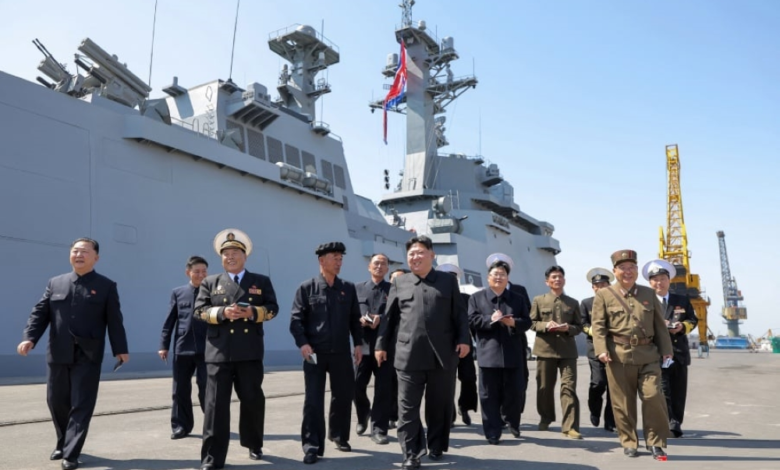
أكدت كوريا الشمالية يوم الأربعاء، أنها أجرت بنجاح اختبارًا لمنظومة جديدة خفيفة الوزن لإطلاق الصواريخ المتعددة، بالإضافة إلى منظومة أسلحة صواريخ كروز تكتيكية متطورة. وقد أشرف الزعيم الكوري الشمالي كيم جونغ أون شخصيًا على هذه الاختبارات، التي كشف عنها الجيش الكوري الجنوبي في وقت سابق، مما يمثل تصعيدًا جديدًا في سلسلة الأنشطة العسكرية لبيونغ يانغ.
سياق التوترات المتصاعدة في شبه الجزيرة الكورية
تأتي هذه الاختبارات، التي أعلنت عنها وكالة الأنباء المركزية الكورية الشمالية الرسمية، في سياق تاريخي طويل من التوترات في شبه الجزيرة الكورية. منذ انتهاء الحرب الكورية عام 1953 بهدنة وليس معاهدة سلام، ظلت الكوريتان في حالة حرب تقنية. وقد سعت كوريا الشمالية، تحت قيادة سلالة كيم، إلى تطوير قدراتها العسكرية، وخاصة برنامجها النووي والصاروخي، كضمان لأمنها ووسيلة لتعزيز نفوذها الإقليمي والدولي. هذه الاستراتيجية، المعروفة باسم “بيونغجين” (التنمية المتوازية للاقتصاد والأسلحة النووية)، دفعت بيونغ يانغ إلى تحدي القرارات الدولية مرارًا وتكرارًا.
تخضع كوريا الشمالية لعقوبات صارمة من الأمم المتحدة تحظر عليها تطوير واستخدام تكنولوجيا الصواريخ البالستية والأسلحة النووية. ومع ذلك، فقد انتهكت بيونغ يانغ هذه القيود مرارًا، مستخدمة كل فرصة لإظهار قدراتها العسكرية المتنامية. الاختبارات الأخيرة هي الثامنة من نوعها في عام 2026، مما يعكس وتيرة متسارعة في تطوير الأسلحة، وخصوصًا بعد فترة وجيزة من آخر إطلاق قبل 37 يومًا.
تفاصيل الاختبارات وأهميتها التكتيكية
أعلنت كوريا الجنوبية يوم الثلاثاء أن الشمال أطلق مقذوفات عدة، من بينها صاروخ بالستي، قبالة سواحلها الغربية، مشيرة إلى أن الصواريخ اجتازت مسافة 80 كيلومترًا تقريبًا. وقد أوضحت وكالة الأنباء المركزية الكورية الشمالية أن اختبارات الثلاثاء شملت “تحليل وتقدير قوة رأس حربي لمهام خاصة على صاروخ بالستي تكتيكي، واعتمادية صاروخ مدفعي موجه عيار 240 ملم ذي مدى إطلاق موسع ويستخدم نظام ملاحقة ذاتي فائق الدقة”. هذه التفاصيل تشير إلى تركيز بيونغ يانغ على تطوير أسلحة تكتيكية دقيقة يمكن استخدامها في ساحة المعركة، مما يثير مخاوف بشأن خفض عتبة الصراع المحتمل في المنطقة.
تُظهر الصور التي نشرتها وكالة الأنباء المركزية انطلاق صاروخ من منصة إطلاق متنقلة، ويظهر كيم جونغ أون واقفًا بجوار المنصة محاطًا بمسؤولين عسكريين، في إشارة واضحة إلى الأهمية التي يوليها الزعيم لهذه التطورات. يؤكد محللون أن بيونغ يانغ، من خلال اختباراتها الصاروخية المتكررة، ربما تحاول استغلال تراجع الاهتمام الدولي أو انشغال القوى الكبرى بقضايا أخرى لترسيخ وضعها كقوة نووية، مما يجعل أي مفاوضات مستقبلية أكثر تعقيدًا.
التأثيرات المتوقعة على الصعيدين الإقليمي والدولي
لهذه الاختبارات تداعيات خطيرة على الأمن الإقليمي والدولي. على الصعيد الإقليمي، تزيد هذه الأنشطة من حدة التوتر مع كوريا الجنوبية واليابان والولايات المتحدة، وتدفع هذه الدول إلى تعزيز قدراتها الدفاعية وتحالفاتها العسكرية. يمكن أن يؤدي ذلك إلى سباق تسلح في المنطقة، مما يهدد الاستقرار الهش. كما أنها تضع ضغطًا على الحوار الدبلوماسي، حيث غالبًا ما تستخدم كوريا الشمالية هذه الاختبارات كوسيلة لزيادة نفوذها التفاوضي.
على الصعيد الدولي، تمثل هذه الاختبارات تحديًا صارخًا لنظام عدم انتشار الأسلحة النووية. تصريحات كيم جونغ أون بأن منظومات الأسلحة هذه “إشارة واضحة على تحديث قواتنا العسكرية وحدث يدل على تقدم تقني كبير”، وأن امتلاك “قوة تدميرية كافية شرط أساسي لعمليات جيشنا يجعل نظريًا من المستحيل على أي قوة معادية النجاح، إلا بالصدفة”، تؤكد عزم بيونغ يانغ على تعزيز قدراتها الردعية. هذا الموقف يعقد جهود المجتمع الدولي للحد من انتشار الأسلحة النووية ويضع عبئًا إضافيًا على مجلس الأمن الدولي لتطبيق العقوبات بفعالية.
في الختام، تستمر كوريا الشمالية في مسارها لتطوير الأسلحة، مما يثير قلقًا عالميًا ويدعو إلى استجابة دولية منسقة لمنع المزيد من التصعيد وضمان الاستقرار في واحدة من أكثر مناطق العالم توترًا.