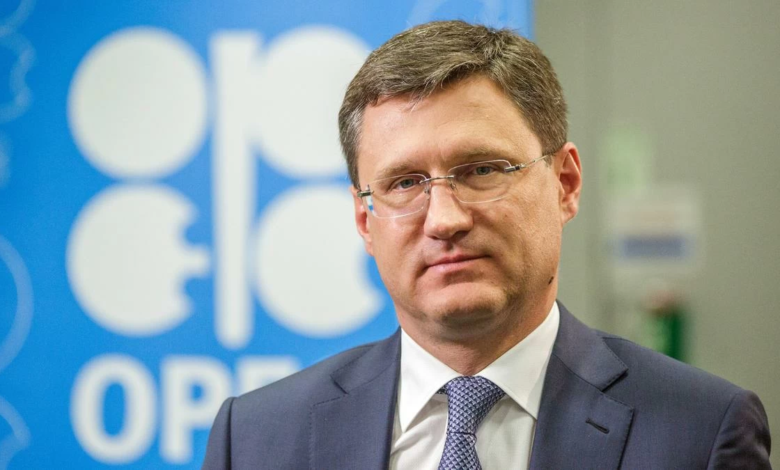
Alexander Novak: The world is experiencing its biggest energy crisis in 40 years

Alexander Novak warns of the biggest global energy crisis
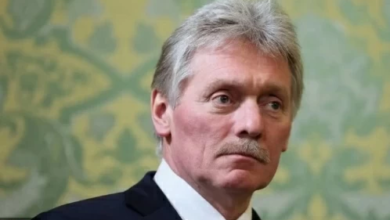
Russian Deputy Prime Minister Alexander Novak recently stated that the world is currently experiencing its worst energy crisis in nearly 40 years. Speaking at the International Institute for Energy Policy and Diplomacy, part of the Moscow State Institute of International Relations (MGIMO) under the Russian Foreign Ministry, Novak explained that radical changes on the global stage and ongoing conflicts over energy resources, including escalating tensions in the Middle East, are the primary drivers of this unprecedented crisis in modern times.
Historical context: Energy crises in the 1970s and 1980s
To understand the significance of Novak's statement that this crisis is the biggest in 40 years, we must return to the historical context of global energy crises. In the 1970s and early 1980s, the world experienced two major oil shocks: the first in 1973 during the Arab oil embargo, and the second in 1979 coinciding with the Iranian Revolution. These events led to historic highs in oil prices, prompting consuming nations to restructure their economic policies and seek alternative energy sources. Today, the geopolitical circumstances are similar to those of that historical period, with political interests intertwined with security of supply, bringing the specter of stagflation back to the global economy.
Geopolitical conflicts and their impact on energy resources
In his analysis of the root causes, Novak pointed out that the wars and conflicts the world has witnessed over the past three or four decades have been closely and directly linked to control over energy resources. He leveled sharp criticism at the foreign policies of some major powers, noting that the United States, for example, has engaged in all its recent armed conflicts with countries of major strategic importance to global energy markets. He stated that these interventions have included oil- and gas-rich countries such as Iraq, Kuwait, Syria, Libya, and, more recently, the ongoing tensions with Iran, all of which have destabilized energy supplies.
The Strait of Hormuz: The vital artery of global oil trade
The Russian Deputy Prime Minister addressed the greatest threat currently facing oil markets: the potential closure of the Strait of Hormuz. This strait is the world's most important waterway for oil trade, through which approximately one-third of global oil and petroleum product trade passes. Novak explained, using figures, that closing the strait would mean a halt in supplies of at least 20 million barrels per day. This enormous volume represents about 20% of current global oil and petroleum product consumption. Compared to the global oil trade volume of approximately 70 million barrels per day, a disruption of these 20 million barrels would paralyze nearly one-third of global trade.
Expected economic repercussions of the current energy crisis
The anticipated repercussions of such a crisis extend far beyond mere fuel price hikes, encompassing profound effects at the local, regional, and international levels. Regionally, oil-producing nations in the Middle East will suffer disruptions to their export routes, which form the backbone of their economies. Internationally, major industrialized nations in Asia and Europe will face severe energy shortages, leading to factory shutdowns, increased shipping and transportation costs, and consequently, a further rise in global inflation, which is already afflicting economies. Global energy security is now more precarious than ever, necessitating international cooperation to avert an economic catastrophe that could reshape the global power structure.