Details of the Khamenei targeting: How did the CIA change the timing of the strike?

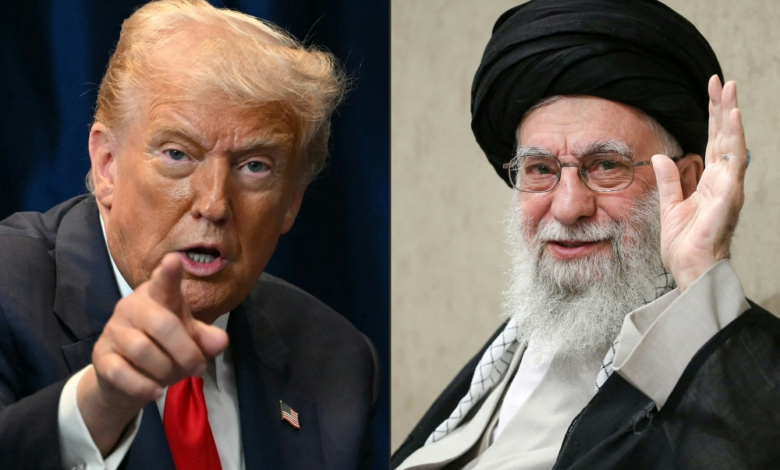
In a sensational intelligence revelation, The New York Times published detailed accounts of a complex operation targeting the top of the Iranian regime, Supreme Leader Ali Khamenei. The reports indicated that close cooperation between the CIA and Israeli security services played a crucial role in determining the precise timing of the operation, based on sensitive intelligence obtained from within Tehran.
Breaking through the inner circle and changing plans
According to the newspaper, the CIA had been tracking the Iranian Supreme Leader's movements for several months, successfully developing a comprehensive picture of his daily routine and fortified residences. The turning point came when intelligence agencies received crucial information indicating that Khamenei would be attending a high-level meeting on Saturday morning at a government residential complex in central Tehran. This information prompted US and Israeli military leaders to make the bold decision to alter their operational timeline.
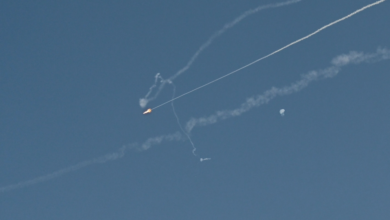
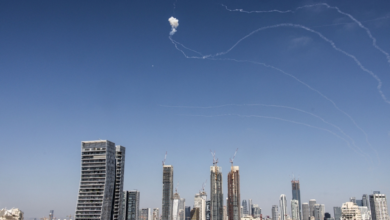
The original plan was to launch a nighttime attack to exploit the darkness and the element of surprise, but confirmation that the intelligence operative was at a specific location during the daytime transformed the operation into a precise daytime strike. The attack, carried out with long-range surface-to-air missiles at 9:40 a.m. local time, demonstrated the accuracy of the intelligence coordination and the ability to adapt quickly to the evolving situation on the ground.
Strategic context: Shadow war and open confrontation
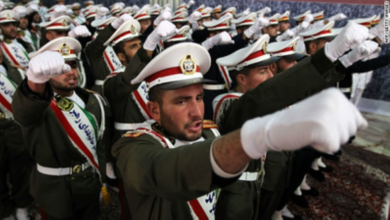
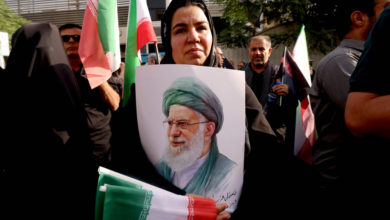
To understand the dimensions of this event, it is essential to consider the historical context of the conflict between Tehran and Washington. The position of "Supreme Leader" in Iran is considered the highest and absolute authority in the country, holding the final say on foreign and military policy and directly overseeing the Islamic Revolutionary Guard Corps. Targeting a figure of this stature has always been a red line in traditional rules of engagement, given the enormous geopolitical repercussions that could ensue.
This operation comes at a time of unprecedented tensions in the Middle East, as the shadow war between Iran and Israel has escalated into more direct confrontations. This development reflects a qualitative shift in Western and Israeli military doctrine toward Iran, moving from targeting proxies and military arms to directly targeting the leadership and decision-makers.
Expected regional and international repercussions
The success of an operation of this scale, as described by sources, carries profound implications regarding the vulnerability of Iranian internal security to Western intelligence agencies. Domestically, this event could lead to a significant leadership vacuum and a potential power struggle within the Iranian regime. Regionally, it is expected to reshape the balance of power, as pro-Iranian factions in the region will be forced to reassess their strategies in the absence of a central authority.
Experts point out that reliance on accurate human and technical intelligence has become the decisive element in modern warfare, where firepower alone is no longer the standard, but rather the ability to access information and employ it at the right time, which was clearly manifested in changing the timing of the strike to seize the opportune moment.