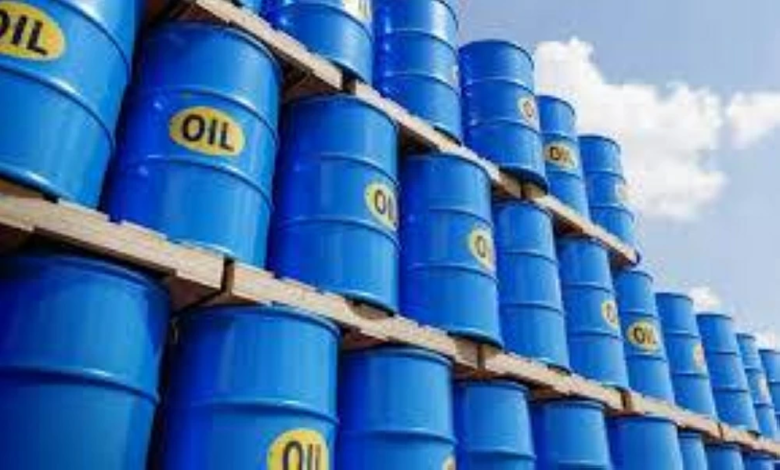

A radical shift in global energy markets
Global energy markets witnessed a dramatic shift today, with oil prices their losses and falling below $90 a barrel. This sharp decline comes in response to a range of geopolitical and economic factors, most notably the assurances from G7 energy ministers of their full readiness to take all necessary steps to support the stability of global energy supplies and alleviate pressure on the markets.
Details of the decline in futures prices
In today's trading, Brent crude futures for May delivery saw a significant drop of 10.35%, equivalent to a loss of $10.26, settling at $88.42 per barrel. Similarly, West Texas Intermediate (WTI) crude futures for April delivery fell by 11%, losing approximately $10.39 to reach $84.15 per barrel.
Historical context: From $120 to the decline
To understand this decline, one must consider the broader context and immediate background of the event. Prior to this drop, oil markets were experiencing heightened anxiety, which had driven Brent crude prices to record highs, nearing $120 per barrel in the preceding days. This surge was fueled by genuine concerns about the impact of geopolitical conflicts in the Middle East on supply chains, particularly given the continued restrictions on commercial shipping through the Strait of Hormuz. The Strait of Hormuz is one of the world's most strategically important waterways, through which approximately one-fifth of the world's daily oil consumption passes, and any threat to navigation there has an immediate impact on prices.
G7 intervention and withdrawal from reserves
But the price trend quickly reversed and subsequently declined thanks to the intervention of the world's largest economies. Major countries began exploring the possibility of drawing on strategic reserves to inject more supply into the markets. Oil losses deepened and the decline accelerated after significant statements by the US president, who hinted at the imminent end of the war and ongoing conflict, reassuring investors and eliminating a large portion of the "risk premium" that had been added to prices.
In this regard, Japanese Industry Minister Ryusei Akazawa stated in a press conference: "The G7 energy ministers are prepared to take the necessary steps to support global energy supplies, including the possibility of a joint release of strategic oil reserves." This statement reflects a high level of international coordination to address energy crises and prevent price inflation.
Expected impact on the global and regional economy
As for the significance of this event and its anticipated impact, it carries broad economic dimensions. Internationally, the decline in oil prices is positive news for energy-importing countries, as it helps curb global inflation and reduces production and transportation costs, thus supporting economic growth. Regionally, for producing countries, price volatility necessitates flexible fiscal policies to manage declining oil revenues, with a focus on diversifying income sources. Ultimately, these events underscore that oil markets remain highly sensitive to political pronouncements and major strategic decisions.