
Introduction: Concern returns to global energy markets
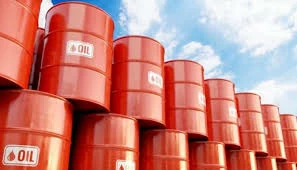
Global energy markets witnessed dramatic shifts today, with oil prices surging significantly amid growing concerns about the stability of global supplies. Prices surpassed $101 a barrel as hopes for de-escalation in the Middle East faded. This sharp rise came after Tehran categorically denied holding any direct talks with the United States to resolve tensions in the Arabian Gulf region, directly contradicting recent statements by US President Donald Trump, who suggested a comprehensive agreement could be reached soon.
Geopolitical tensions and their direct impact on oil prices
Crude oil prices held above $100 a barrel as diplomatic optimism faded. These concerns were heightened by the continued exchange of attacks and threats in the region, particularly the exchange of fire and strikes between Israel and Tehran, which has kept the region on edge. In numerical terms, Brent crude futures, the global benchmark, rose $1.25, or 1.3%, to $101.19 a barrel by 08:58 GMT. Meanwhile, US West Texas Intermediate crude climbed $2.15, or 2.4%, to $90.28 a barrel.
Historical background and strategic importance of the Strait of Hormuz
To understand market sensitivity, one must consider the immense strategic importance of the Arabian Gulf region and the Strait of Hormuz. The Strait of Hormuz is one of the world's most vital waterways, through which approximately 20% of global oil consumption passes daily. Historically, any threat to close or disrupt navigation through this strait immediately adds what is known as a "geopolitical risk premium" or "war premium" to oil prices. Markets constantly recall past crises that led to historic price spikes, keeping traders on high alert for any military escalation that could impede the movement of oil tankers.
Postponing attacks and indirect diplomatic channels
In a related development, CBS News, citing an Iranian Foreign Ministry official, reported that Tehran is currently reviewing communications it received from the United States through international intermediaries. This development indicates the continued operation of indirect diplomatic channels despite heightened tensions. Crude oil futures had plummeted by more than 10% the previous day following President Trump's announcement that he had ordered a five-day postponement of threatened military strikes against Iranian power plants. Trump added that Washington had held productive talks with unnamed Iranian officials, resulting in "key points of agreement," a claim later denied by Tehran.
Market Analysis: Attempts to Restore Balance and Economic Repercussions
From an economic perspective, experts believe the market is attempting to absorb successive shocks. In this regard, Tim Waterer, senior market analyst at a specialized firm, explained that "the modest rise we saw today is simply the market's attempt to regain its balance amidst the ongoing turmoil." Waterer emphasized that traders are fully aware that, despite the temporary suspension of missile attacks and US strikes, the Strait of Hormuz remains far from being a completely safe shipping lane.
The economic analyst added: “The suspension of US strikes has removed a large part of the war premium from oil prices, but the current recovery reflects investor caution. The suspension of attacks does not mean the disappearance of geopolitical risks, but rather their postponement.”.
Future outlook: The $150 scenario
Internationally, analysts warn of the dire consequences of a prolonged crisis on the global economy. Rising energy costs directly contribute to increased global inflation, putting pressure on central banks and impacting transportation and production costs. In a stark warning, Macquarie Bank outlined a grim scenario: if the situation deteriorates and the Strait of Hormuz remains effectively closed to shipping until the end of April, the price of Brent crude could surge to $150 per barrel. This figure, if realized, would surpass the all-time high of $147 per barrel set in the summer of 2008 during the global financial crisis, signaling a global energy crisis that could reshape the international economic landscape.