
Introduction to the energy market crisis
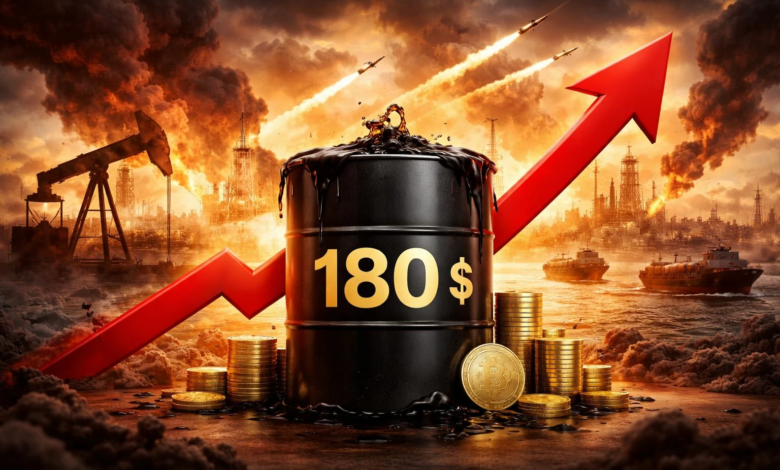
Global energy markets have entered a critical new phase, with rising expectations of an unprecedented surge in oil prices . According to a recent report in The Wall Street Journal, Saudi oil experts have indicated the possibility of a sharp increase to $180 per barrel if the supply shock and disruptions related to geopolitical tensions and the potential Iranian war persist beyond April. This alarming estimate reflects the growing concern about the widening scope of the crisis and its direct impact on the international market, at a time when supply chains, shipping, and energy costs worldwide are already under increasing pressure.
General context and historical background of oil shocks
To understand the implications of this prediction, we must consider the historical context of oil price . Historically, major energy price spikes have been linked to geopolitical conflicts in the Middle East. In 1973, an oil embargo triggered a global shock, and the same occurred with the 1979 Iranian Revolution, which caused a severe supply shortage. In more recent times, oil prices reached their all-time high in 2008, approaching $147 per barrel. More recently, the 2022 Russian-Ukrainian war pushed prices above $130. Current tensions, particularly those threatening strategic waterways like the Strait of Hormuz, through which roughly one-fifth of the world's oil consumption passes, make a scenario of $180 per barrel a distinct possibility if the situation spirals out of control.
$180 a barrel: A scenario that will shake the global economy
Economists in Europe and the United States believe that oil reaching this record high is not merely a temporary price surge, but rather a harbinger of a widespread economic shock. This shock begins with the immediate rise in shipping, transportation, and marine insurance costs, and extends to accelerating inflation and disrupting economic growth plans in major industrialized nations and emerging energy-importing economies, particularly in Europe and Asia, which are heavily reliant on energy imports.
Inflation and stagflation are back in the spotlight
Financial observers warn that if the crisis continues on its current upward trajectory, the global economy could face the specter of stagflation once again. This scenario entails a slowdown in economic growth coupled with rising prices for fuel, goods, and basic services. This will increase the financial burden on governments and central banks worldwide, such as the US Federal Reserve and the European Central Bank, which will find themselves facing a highly complex dilemma: either continue raising interest rates to curb inflation, which risks deepening the recession, or lower them to protect growth, which could lead to runaway inflation.
Expected regional and international impacts
Regionally, oil-exporting countries in the Middle East may benefit from increased revenues in the short term, but escalating security risks could deter foreign investment and undermine regional stability. Internationally, developing countries will be the hardest hit, as their foreign exchange reserves are depleted to cover high energy import bills, threatening sovereign debt crises in some fragile economies.
OPEC+ alliance faces a difficult balancing test
Amid these rapid developments, the world's attention is focused on the OPEC+ alliance as one of the most influential players capable of impacting the oil market. While cautiously awaiting the outcome of the alliance's upcoming meetings, many are hoping for strategic steps that could help stabilize oil prices or mitigate some of the sharp fluctuations by managing production levels flexibly in line with supply and demand.
Global markets are on tenterhooks
Between the prospects of diplomatic containment and the risks of security escalation, global oil markets remain hostage to geopolitical developments and the actual extent of damage that could be inflicted on supply infrastructure in the coming weeks. If the energy shock persists and extends beyond April without a fundamental solution, the world may be facing one of the most severe oil shocks in modern history, one that will reshape the global economic landscape for years to come.