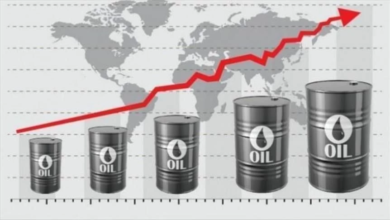

Oil prices surged in global markets, with Brent crude reaching $85 a barrel, an increase of over $20 compared to the beginning of the year, amid escalating military tensions between the United States and Iran. This significant rise, compared to the average price of $69 in 2025, raises concerns about a potential new wave of inflation that could impact the global economy.
The Strait of Hormuz: A global energy artery in danger
The main market concerns revolve around the Strait of Hormuz, the world's most strategically important waterway for the oil industry. The current price surge is primarily driven by a geopolitical "risk premium" following the US strikes and growing speculation that Tehran might close the strait in response to the escalation. It's worth noting that this narrow waterway sees approximately one-fifth of the world's oil supply pass through it daily, meaning that any disruption to shipping would not only threaten Iranian exports but also cut off exports from major producers in the Arabian Gulf, including Saudi Arabia, the UAE, Iraq, and Kuwait.
Immediate repercussions on supply chains
The impact of the ongoing war, now in its sixth day, has not been limited to crude oil prices alone, but has extended to all aspects of the energy market. Prices of natural gas and refined products have risen, coinciding with a dramatic increase in shipping costs and insurance premiums for tankers transiting the region. The near-complete halt of tanker traffic through the waterway has led to a buildup of stockpiles, forcing many producing countries to begin involuntarily reducing production rates due to the lack of secure export outlets or sufficient storage capacity to absorb the surplus.
Expert analysis and future price predictions
In analyzing the situation, analysts at the global investment bank JPMorgan Chase, led by Natasha Caneva, issued a research note explaining that the current supply cuts are not a voluntary choice but rather an inevitable consequence of the Middle East's storage facilities reaching capacity. The analysts noted that the market is watching developments very closely, emphasizing that the crucial question now is the duration of this crisis.
The bank's experts added a conditional outlook, estimating that most oil fields could resume production and pump normal volumes within a few days once export routes return to normal and the security threat subsides. They anticipate a full recovery in production capacity within two to three weeks of the crisis ending. However, global importers remain concerned that a prolonged conflict could drive prices to new record highs, further straining the global economy.