
Global energy markets witnessed a significant shift on Friday, with oil prices surging by more than 1% and surpassing the $100 per barrel mark. This strong rise comes amid heightened investor caution and anticipation due to escalating geopolitical tensions in the Middle East, particularly following recent Iranian threats to potentially keep the strategic Strait of Hormuz closed to maritime traffic.
The Strait of Hormuz is one of the world's most important and vital waterways for energy trade, with approximately one-fifth of the world's crude oil consumption passing through it daily. Any threat to close this crucial artery automatically triggers market fears of supply disruptions, which are immediately reflected in prices. Historically, tensions in this sensitive region have been a major driver of oil price volatility, as traders understand that any disruption to Gulf supplies is difficult to compensate for easily from other sources in the short term.
In a related development, and in a strategic attempt to curb soaring prices that could harm the global economy and increase inflation, the United States issued a second temporary waiver allowing the purchase of Russian oil already loaded onto ships. US Treasury Secretary Scott Bisnett explained in an official post on the social media platform X that this exceptional measure is limited in scope and short-term, applying exclusively to oil shipments that are still in transit and have not yet reached their final destinations.
This US move reflects the delicate balance Washington is trying to strike between imposing sanctions on Moscow and maintaining stability in global energy markets. According to ship-tracking data compiled by Bloomberg, the vessels granted the exemption are carrying substantial quantities, estimated at no less than 19 million barrels of Russian crude oil, in addition to approximately 310,000 tons of refined petroleum products—quantities sufficient to create a relative, albeit temporary, balance in global supply.
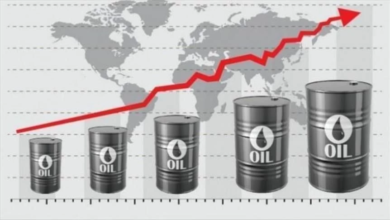
In terms of trading activity and figures, these developments were clearly reflected on trading screens, with Brent crude futures for May delivery rising by 1.04%, equivalent to an increase of $1.05, reaching $101.50 per barrel during the first hours of trading. This rise follows a sharp upward trend witnessed in the markets the previous day, where prices jumped by more than 9% in a single session.
Meanwhile, Nymex crude oil futures for April delivery also rose by 0.98%, adding about 94 cents to their value, settling at $96.67 per barrel. This rise in oil prices has a dual effect: on the one hand, it boosts the financial revenues of oil-exporting countries in the Middle East, and on the other hand, it puts additional pressure on energy-importing countries, which may prompt global central banks to review their monetary policies to control inflation.