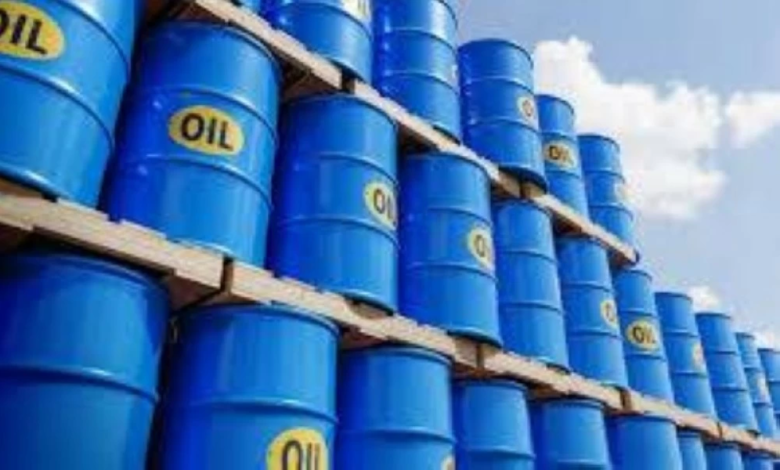
Global oil markets saw a notable rebound today, with prices returning to positive territory during the Asian session, recouping some of the losses incurred in the previous session, which amounted to approximately 2%. This cautious rise comes as investors and speculators reassess the geopolitical landscape, particularly the progress made in diplomatic talks between the United States and Iran.
Details of price movements in global markets
In numerical terms, Brent crude futures rose 15 cents, or 0.22%, to $67.57 . Meanwhile, West Texas Intermediate (WTI) crude futures climbed 12 cents, or 0.19%, to settle at $62.45 a barrel. Despite these gains, both benchmarks remain near their lowest levels of the past two weeks, reflecting the continued volatility in the markets.
Geopolitical context: The Iranian issue and its impact on supplies
Geopolitical factors are currently the primary driver of prices, as the world's attention is focused on the negotiations between Washington and Tehran. Investors fear that a swift final agreement could lead to the lifting of sanctions on Iranian oil exports, potentially flooding the already saturated global market with large quantities of Iranian crude. This prospect is putting downward pressure on prices, but caution persists regarding the speed of reaching an agreement, providing some temporary support.
Historically, the return of Iranian supplies is considered a pivotal turning point in the balance of supply and demand, as Iran has huge reserves and the ability to increase production rapidly, which could conflict with the efforts of the OPEC+ alliance to control the markets.
US inventory forecasts and demand indicators
crude oil inventories are expected to have risen by approximately 2.3 million barrels for the week ending February 13, which could be interpreted as a negative signal.
In contrast, refined petroleum products are showing signs of improved demand, with gasoline inventories estimated to have fallen by about 200,000 barrels and distillate stocks (which include diesel and heating oil) by about 1.6 million barrels. This discrepancy between higher crude prices and lower refined product prices reflects the complexity of the current economic landscape, as refineries attempt to balance inputs and outputs amidst fluctuating weather and seasonal demand.