
European energy markets witnessed a significant surge in oil prices, with Brent crude reaching $66 a barrel, driven by supply chain disruptions and escalating geopolitical tensions. This sharp increase stems from a confluence of factors, most notably reduced shipments from Kazakhstan and other producing nations, creating a shortage in Europe despite previous indicators suggesting ample global supply.
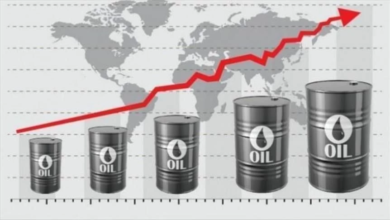
Oil prices continued their gains for the fifth consecutive session, with Brent crude futures rising 42 cents, or 0.6%, to $65.89 a barrel. Similarly, US West Texas Intermediate crude climbed 0.6% (36 cents) to $61.51 a barrel. These figures reflect the anxiety among traders regarding potential disruptions to Iranian supplies amid the ongoing escalation and exchange of threats between Washington and Tehran—a scenario reminiscent of past crises that threatened the stability of the strategic Strait of Hormuz.
Reasons for supply shortages in Europe
The European market is under exceptional pressure due to disruptions in the flow of Kazakh CPC blend crude, a vital lifeline for European refineries. A confluence of factors has caused these disruptions, beginning with adverse weather conditions that hampered loading operations at ports, continuing with necessary maintenance work, and culminating in security concerns stemming from drone attacks in the region. The crisis has been further exacerbated by technical and production problems in some North Sea fields, as well as recurring disruptions in Libyan fields, a major source of the high-quality light crude preferred by Europe.
Economic repercussions and market indicators
These supply bottlenecks have led to a notable price phenomenon in the North Sea and Mediterranean regions, where West Texas Intermediate crude traded at a premium of $2.90 per barrel, the highest level of this premium in European markets in over a year, according to Bloomberg data. This coincided with a significant rise in the price of Azerbaijani light crude, confirming the widespread nature of the price increase across various types of crude oil relied upon by Europe.
From a broader economic perspective, this surge raises concerns about energy costs in Europe, which is already facing economic challenges. Higher oil prices typically translate into increased transportation and industrial production costs, potentially fueling inflation and eroding consumer purchasing power. Furthermore, ongoing geopolitical tensions in the Middle East leave the door open for sharp price fluctuations that could disrupt global economic growth projections in the coming period.