Trump warns Iran: Infrastructure will be destroyed if the agreement is rejected

Trump warns Iran of dire consequences if it rejects the agreement
In strongly worded remarks reflecting escalating tensions between Washington and Tehran, US President Donald Trump issued an unprecedented warning to the Iranian leadership. Trump asserted that if Iran commits any serious violation or refuses to reach a new agreement with the United States, the response will be severe and devastating. He explained to the media that rejecting the agreement would mean the complete destruction of Iran's infrastructure, including every power plant and every bridge in the country. He indicated that reaching an agreement with Tehran is inevitable and will happen either through friendly diplomacy or through decisive military intervention.
Diplomatic moves and the blockade of the Strait of Hormuz
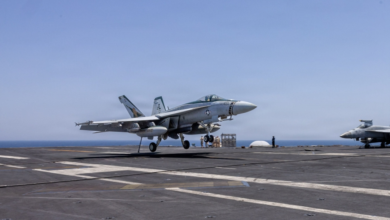
In a related development concerning diplomatic efforts in the region, the US president revealed that his special envoy, Stephen Biegun, is en route to Pakistan for a series of important meetings on Tuesday, expected to address regional developments and security. Trump's remarks were not limited to threats against infrastructure; he also touched upon one of the world's most vital waterways, the Strait of Hormuz. Trump stated unequivocally, "We are effectively blockading the Strait," referring to the extensive US military presence and strict monitoring of maritime traffic, which places immense economic and military pressure on Tehran, a country that relies on this crucial waterway to export its oil to the world.
The historical context of US-Iranian tensions
To understand the dimensions of this escalation, it is necessary to consider the recent historical context. This phase of heightened tension began when the Trump administration unilaterally withdrew from the 2015 Iran nuclear deal (the Joint Comprehensive Plan of Action, or JCPOA) in 2018. Since then, Washington has pursued a “maximum pressure” strategy, which has included imposing crippling economic sanctions targeting Iran’s oil and banking sectors. This strategy aims to force Iran back to the negotiating table to draft a new, more comprehensive agreement that addresses not only its nuclear program but also its ballistic missile program and its regional influence in the Middle East.
Strategic importance and expected impact regionally and internationally
These statements carry significant weight and far-reaching implications at the local, regional, and international levels. Domestically, in Iran, these threats further strain the already weakened Iranian economy, presenting the leadership with difficult political and economic choices. Regionally, any military escalation or closure of the Strait of Hormuz would destabilize the Persian Gulf region, a vital artery for global energy.
Internationally, roughly one-fifth of the world's daily oil consumption passes through the Strait of Hormuz. Therefore, any threat to navigation in this strait or the outbreak of armed conflict would immediately lead to a dramatic surge in global energy prices, threatening the entire global economy. Furthermore, recent US diplomatic moves, such as the special envoy's visit to Pakistan, reflect Washington's efforts to rally regional allies and secure logistical and political support for any potential scenarios, further complicating the already complex and intertwined landscape on the international stage.