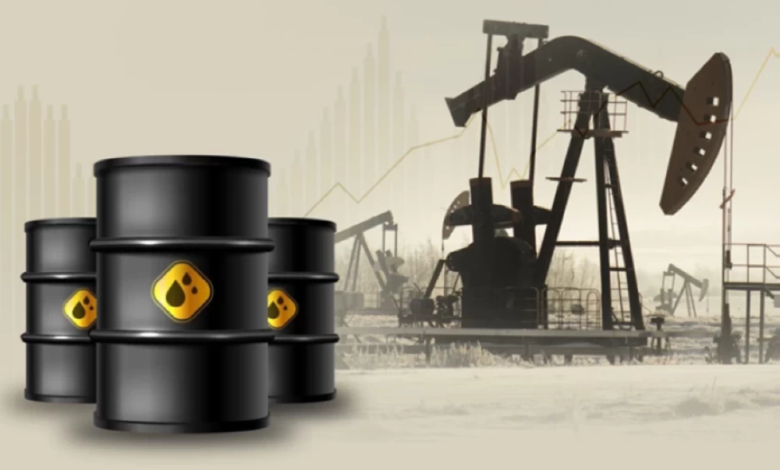

Global energy markets witnessed a notable positive movement during trading yesterday (Tuesday), as oil prices rose at settlement, ending the session with strong gains, while traders and investors in the markets are carefully assessing the likelihood of escalating tensions in the region and their potential impact on global crude supplies.
In more detail, West Texas Intermediate (WTI) crude futures rose by $1.07, or 1.72%, to settle at $63.21 per barrel. Meanwhile, Brent crude futures, the global benchmark, climbed by $1.03, or 1.55%, to settle at $67.33 per barrel.
The impact of geopolitical tensions on energy markets
This price surge is primarily driven by geopolitical concerns dominating the regional landscape. Historically, the Middle East has been the heart of the global oil industry, and any signs of instability or security tensions immediately trigger a "risk premium" in the price per barrel. Investors typically fear potential disruptions to supply chains or threats to vital shipping lanes that transport crude oil to global markets in such circumstances, making buying the preferred option to hedge against any sudden supply shortages.
Clash of Factors: Strong Dollar vs. Supply Concerns
What was striking about yesterday's trading was that oil prices rose despite a traditionally strong downward pressure: the strengthening US dollar. Normally, there is an inverse relationship between the dollar and dollar-denominated commodities; when the dollar rises, oil becomes more expensive for holders of other currencies, which usually puts downward pressure on demand and lowers prices. However, oil's breaking through this barrier and rising despite the strength of the US dollar clearly indicates that concerns about supply shortages due to regional tensions were the strongest and most influential driver of investor sentiment, far outweighing monetary factors.
Expected economic repercussions
This surge carries significant economic implications. Sustained high oil prices could impact global inflation rates, as higher energy costs lead to increased transportation and industrial production expenses. For oil-exporting countries, this price recovery supports their public budgets, while it may pose an additional challenge for importing countries striving for economic recovery and a balanced trade relationship amidst global market volatility.