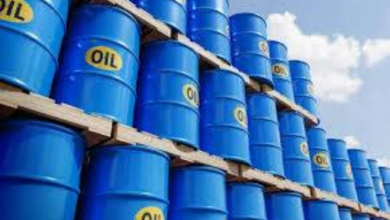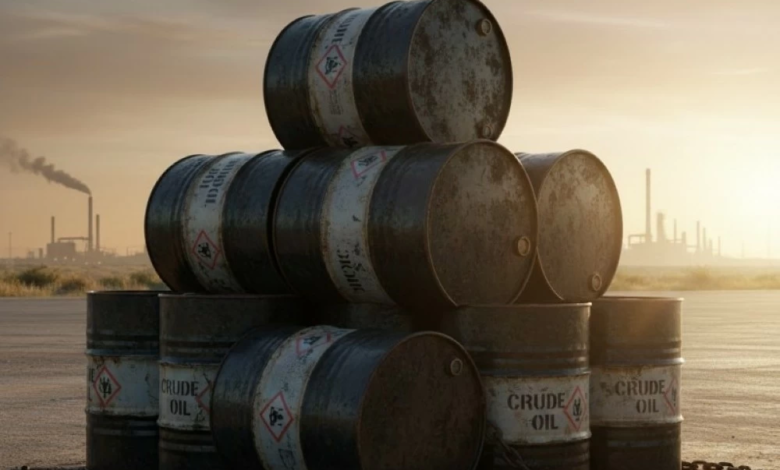

Global oil prices significantly boosted their gains during trading on Thursday, driven by rising geopolitical tensions and markets closely monitoring recent US moves aimed at tightening the noose on Venezuelan energy exports.
In trading details, energy markets saw a clear recovery, with Brent crude futures for March delivery rising 1.6%, gaining about 97 cents to settle at $60.93 a barrel. Similarly, West Texas Intermediate (WTI) crude futures for February delivery increased by 1.57%, adding 88 cents to reach $56.87 a barrel.
US escalation in the Atlantic
This surge comes as a direct reaction to news that the United States seized two oil tankers in the Atlantic Ocean on Wednesday that were linked to the transport of Venezuelan crude. Reports indicate that one of the tankers was flying the Russian flag, adding an international dimension to the crisis. This move is part of the Trump administration's strategy to tighten control over Venezuelan oil flows and deprive the Nicolás Maduro regime of vital revenue.
Background of the conflict and the impact of sanctions
To understand the context of this event, it's important to note that Venezuela possesses the world's largest proven oil reserves, yet its oil sector has suffered a severe decline due to years of mismanagement and underinvestment, compounded by crippling US sanctions. By targeting Venezuela's state-owned oil company (PDVSA) and its affiliated tankers, Washington is attempting to exert maximum economic and political pressure on Caracas, creating uncertainty in global energy markets regarding the continued supply from Latin America.
OPEC production remains stable despite challenges
On a related note, a recent survey by Bloomberg News revealed that OPEC production remained relatively stable last month. According to the survey, the organization's total output stood at just over 29 million barrels per day. This stability in overall OPEC supply comes despite a sharp decline in Venezuelan output, which fell by a significant 14%. This reflects the commitment of other members to their production quotas and the market's ability to absorb some supply shocks. However, geopolitical concerns remain the strongest driver of prices at present.
Analysts believe that the United States’ continued policy of intercepting shipments and imposing sanctions could lead to further price volatility, especially if these measures coincide with any other disruptions in key production areas around the world.